• Skip to primary navigation
  • Skip to main content

REVARTE

  • Home
  • About
    • REVARTE Collective
  • Issues
  • Content
    • LITERATURA
    • JUVENTUD
    • ENSAYO
    • COMUNIDAD
    • MEDIA
  • Subscribe
  • Contribute
  • Show Search
Hide Search

Literatura

Poemas (I)

RevarteColectiva · December 13, 2023 · 1 Comment

por Ana Vera

Click here for English version

1. Lima a toda latitud

Dos horas y media de recorrido,
norte/sur,
viento tibio, aire frío,
álbum de la ciudad,
sepia/color.

Apus con brazos gigantes,
rodean/cercan,
protegen/maldicen,
y en las esquinas de las calles,
un oscuro corazón.

Parar veinte segundos la máquina,
bajar el ritmo cardiaco,
cinco minutos y las estaciones se reclaman,
salir/entrar.

Aquí, solo hay pies que no se ven,
manos colgando y el vaivén del cuerpo,
que oscila como la ropa recién tendida
en las azoteas.

Fierros retuercen sus cuellos,
hasta detener el respiro.
Al mediodía, se extrañan las aves de la ciudad-tierra.

Línea 1,
construcción/deconstrucción,
arte,
vecinal/visceral.

El agua no riega la vida en las alturas,
y sigue el niño y su perro paseando su sed,
se empozan las piscinas,
públicas/privadas,
naturaleza sintética,
grass/palmeras,
ladrillos sin revestir.

Y se aleja de la pupila,
la loca con su desnudez,
cables de alta tensión destajan la ciudad en dos,
¡se ve el grito!,
noize/mute…

Y avanzo hacia un lugar que antes no existía,
imposible traspasar el ojo,
colocarlo al otro lado del muro,
púas/plumas.

Afuera está la gran cárcel donde otros transitan,
Lima a toda latitud,
transfigurada belleza que nunca fue,
veintiséis estaciones,
inexistente primavera.

Desde esta perspectiva,
los que nunca nos ven,
no saben que nos cuelga,
la mirada triste,
cuando se cierran las puertas del tren,
start/STOP.

2. Julio de 2023

Le escribo a mis manos cuando estas no puedan
escribir con firmeza y sin dolor,
“ana” o “poesía”,
simplemente.

Le escribo a mis manos inmóviles en el pensamiento,
de la primera vocal,
o de la sílaba 16 del alfabeto,
que nombra también al padre, al pez, al pan.

Le escribo a mis ojos y a mis oídos,
para que lean sin lágrimas,
y escuchen atentos el viento interno del poema,
la voz bajita y tímida,
será de mi hermana menor.

Le escribo a mi olfato de perra adoptada,
a la línea recta de la costura de mis labios,
donde se asoma el recuerdo de la sal.

Le escribo a este tacto de identidad,
que se enerva y tensa,
como la es cri tu ra,
cri a tu ra,
que nace en la penúltima página,
del libro de una poeta asesinada.

Le escribo al azul de la memoria,
olor a pesca fresca y aguas heladas,
en las puntas de los pies.

Le escribo a mis dos manos,
porque una la toma de la mano a la otra,
la reemplaza, la espera, le da de comer y beber.
Esta mano masturba a la mano con fragancia de eucalipto,
la exfolia con el mar del mar.

Le escribo a estas manos para que sepan,
de su importancia vital sobre el teclado,
del papel que deja atrás lo blanco.

Le escribo a mis manos,
que un día pasearán solas,
guardadas en bolsillos llenos de arena.

(julio, 2023).

3. El mar

Si unes los puntos,
Si trazas las rayas,
Si marcas las equis,
Si escondes las flechas,
Si el camino es recto,
Si el zigzag es camino,
Si es solo un gran círculo,
Si el centro es secreto,
Si el mapa es la rosa,
Si ves muchas formas,
Si hay piel y espejos,
Si el canto es de muerte,
Si lloran y nacen,
Si da miedo y paz,
Si el marco está abierto,
Si el cielo se moja,
Si extraña la Luna,
Si la estrella es la hoja,
Si hay miles de huellas,
Si pintas la mano,
Si el garabato es la lengua,
Si escribes su nombre,
Si inventas un juego,
Si el juego es azul,
Si todo es blanco,

Y brilla,

Sí, es el mar.


English Version:

Poems by Ana Vera

1. Lima at Full Latitude

Two and a half hours of travel,
north/south,
warm wind, cold air,
city album,
sepia/color.

Apus with giant arms,
surround/enclose,
protect/curse,
and on the street corners,
a dark heart.

Stop the machine for twenty seconds,
lower the heart rate,
five minutes and the stations are reclaimed,
exit/enter.

Here, there are only unseen feet,
hands dangling and the swaying of the body,
that oscillates like freshly laid clothes,
on the rooftops.

Irons twist their necks,
until the breath stops.
At noon, the birds of the city-earth are missed.

Line 1,
construction/deconstruction,
art,
neighborhood/visceral.

Water does not irrigate life in the heights,
and still, the boy and his dog walk their thirst,
the pools are stagnant,
public/private,
synthetic nature,
grass/palms,
uncoated bricks.

And it moves away from the pupil,
the madwoman with her nakedness,
high tension wires uncover the city in two,
you can see the scream!

Noize/mute…
And I advance towards a place that didn’t exist before,
impossible to pierce the eye,
place it on the other side of the wall,
barbs/feathers.

Outside is the great prison where others transit,
Lima at all latitudes,
transfigured beauty that never was,
twenty-six seasons,
nonexistent spring.

From this perspective,
those who never see us,
do not know that we hang,
the sad look,
when the train doors close,
start/STOP.

2. July 2023

I write to my hands when they can no longer,
write firmly and painlessly,
“ana” or “poetry”,
simply.

I write to my hands immobile in the thought of the first vowel,
or of the sixteenth syllable of the alphabet,
that also names the father, the fish, the bread.

I write to my eyes and to my ears,
so that they may read without tears,
and listen attentively to the inner wind of the poem,
the low and shy voice,
it will be my younger sister’s.

I write to my adopted dog’s sense of smell,
to the straight line of the seam of my lips,
where the memory of salt peeps out.

I write to this touch of identity,
which is enervated and tense,
like the es cri tu ra,
cri a tu ra,
that is born on the penultimate page,
of the book of a murdered poet.

I write to the blue of memory,
smell of fresh fish and icy waters,
on the tips of my toes.

I write to my two hands,
because one takes the other by the hand,
replaces it, waits for it, feeds it and gives it drink.
This hand masturbates the hand with eucalyptus fragrance,
exfoliates it with the sea of the sea.

I write to these hands so that they may know,
of their vital importance on the keyboard,
of the paper that leaves behind the white.

I write to my hands,
that one day will walk alone,
kept in pockets full of sand.

(July, 2023).

3. The Sea

If you join the dots,
If you draw the lines,
If you mark the X’s,
If you hide the arrows,
If the path is straight,
If the zigzag is a path,
If it’s just a big circle,
If the center is secret,
If the map is the rose,
If you see many shapes,
If there is skin and mirrors,
If the song is of death,
If they cry and are born,
If there is fear and peace,
If the frame is open,
If the sky is wet,
If it misses the moon,
If the star is the leaf,
If there are thousands of footprints,
If you paint the hand,
If the scribble is the tongue,
If you write its name,
If you invent a game,
If the game is blue,
If everything is white,

And it shines,

Yes, it’s the sea.
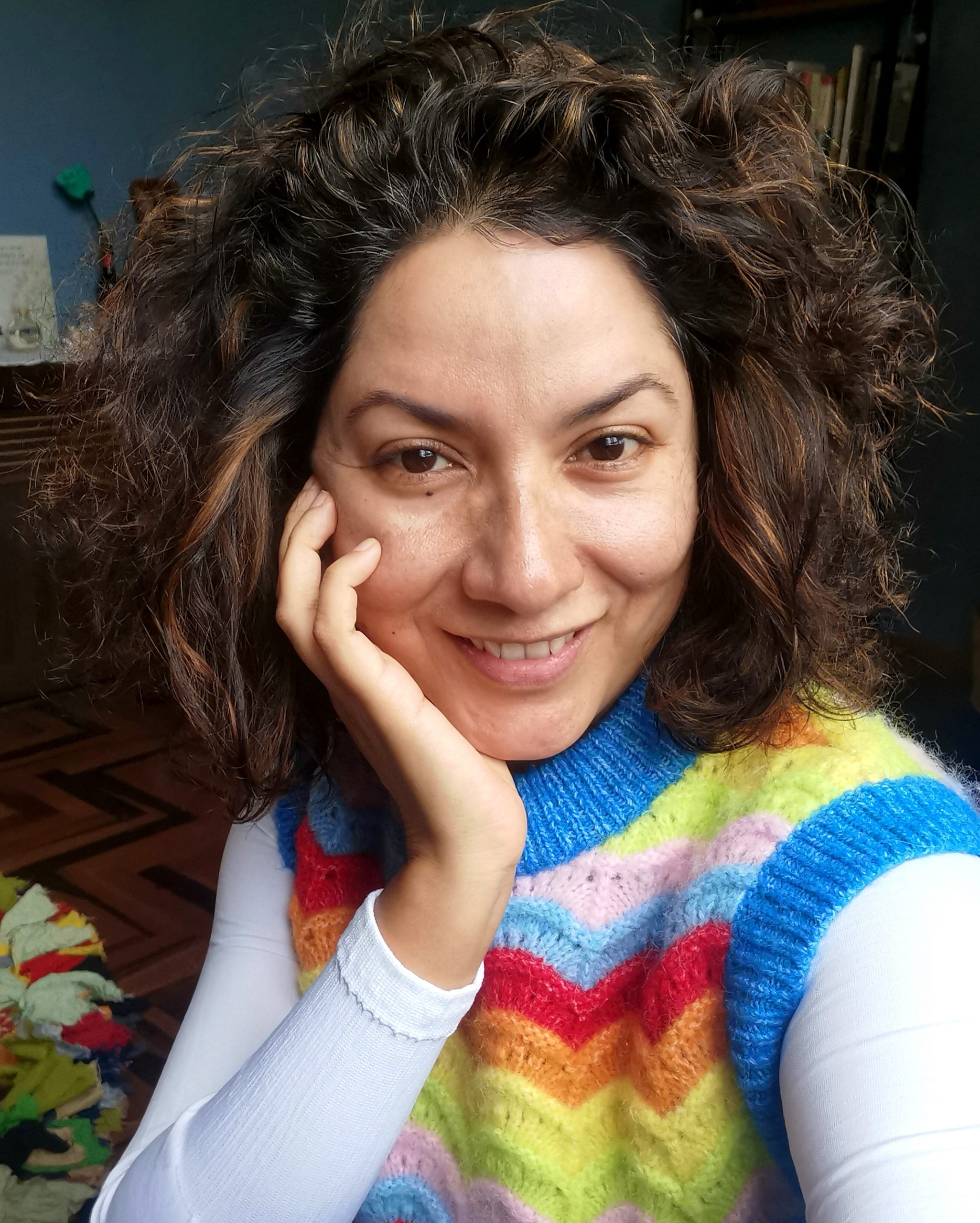
Ana Vera (Lima,  1981)

Escritora, editora, comunicadora, fotógrafa y gestora cultural. Fundadora del formato de poesía pluricultural e inclusiva “Viva palabra”. Ha publicado el poemario Ausencias (2010), el fotopoemario Memoria imagen (Hanan Harawi, 2015) y el libro álbum infantil Poesía animal (Ámbar, 2022). 
Diseñadora del I Mes de las letras en el Congreso de la República del Perú (2019); parte de la agenda Culturaraymi de los Juegos Panamericanos y Paraparamericanos Lima 2019. Autora del poema “Costa” y coordinadora de contenidos literarios del proyecto audiovisual “No me pidan regresar” (Kubrik, 2020). Cuenta con dos exposiciones fotográficas colectivas y una foto/verso instalación individual “Solo estamos viviendo” (Galería Martín Yépez, 2023). Poemas antologados en Perú, Chile y Argentina.

Writer, editor, communicator, photographer, and cultural manager. Founder of the multicultural and inclusive poetry format “Viva palabra”. She has published the poetry collection Ausencias (2010), the photo-poetry book Memoria imagen (Hanan Harawi, 2015), and the children’s picture book Poesía animal (Ámbar, 2022). Designer of the First Month of Letters at the Congress of the Republic of Peru (2019); part of the Culturaraymi agenda of the Pan American and Parapan American Games Lima 2019. Author of the poem “Costa” and coordinator of literary content for the audiovisual project “No me pidan regresar” (Kubrik, 2020). She has two group photographic exhibitions and an individual photo/verse installation “Solo estamos viviendo” (Martín Yépez Gallery, 2023). Her poems have been anthologized in Peru, Chile, and Argentina.
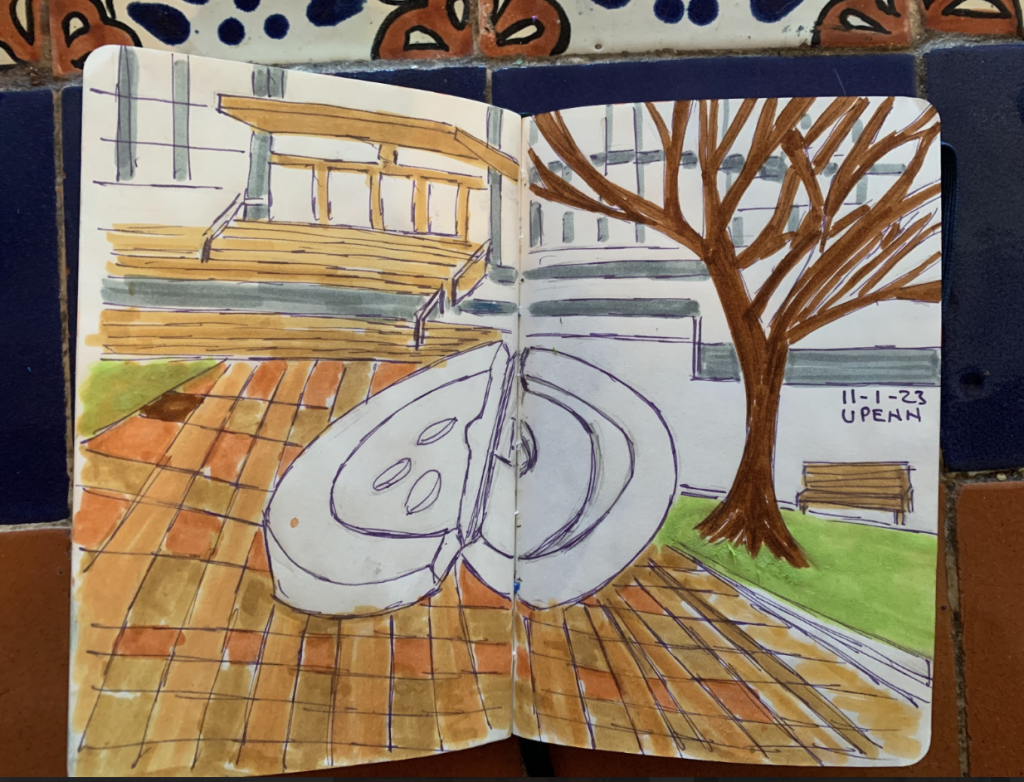
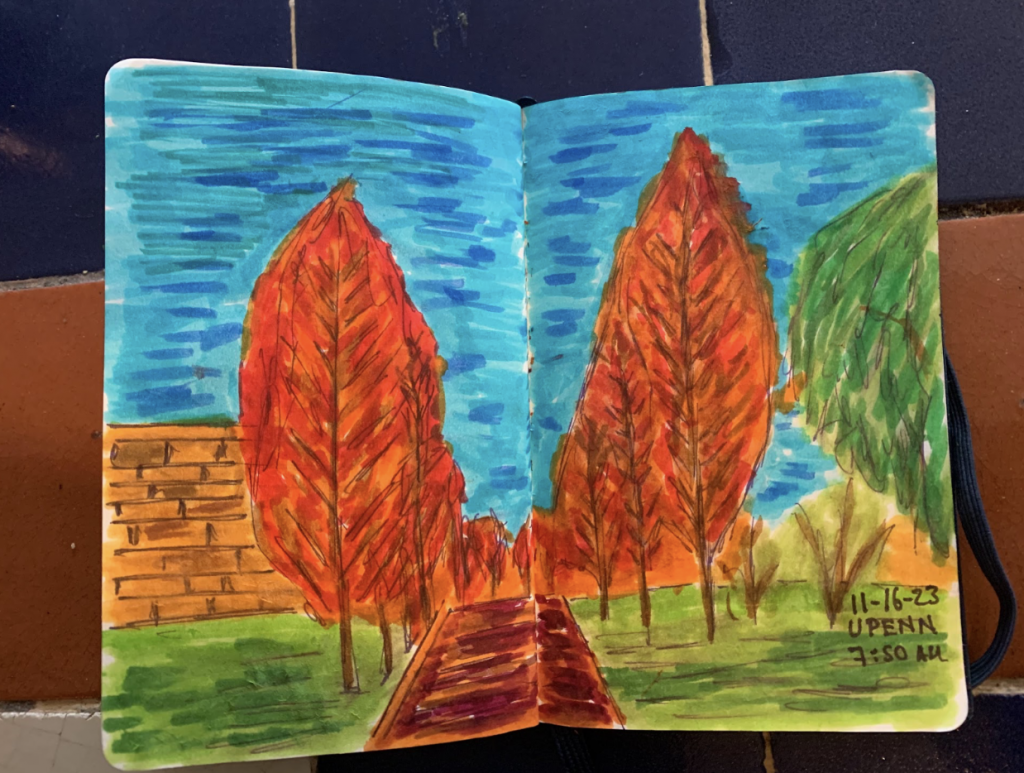
    Mañanas en la Universidad de Pennsylvania 

    RevarteColectiva · December 8, 2023 · Leave a Comment

    Por Obed Arango

    Click here for English version

    Humedad matutina,
    y fuego que se encumbra,
    En el alto de los olmos que se encienden,
    Cuerpos diáfanos, troncos diáfanos,
    Palabras translúcidas,
    y un caminar pausado en el paseo Locust.

    Luz que cruza,
    Luz que devela instantes,
    Instantes que duran,
    Lo que duran los pasos,
    lo que dura la vida.
    Caminamos juntos al Houston Hall.

    En la universidad se entrelaza una historia con polos que no se miran.
    El fuego que consume para liberar,
    Y el frío que adormece el pensamiento,
    Opresión que se apila,
    Esclavitud,
    Libertad que denuncia,
    Piedras que susurran las voces contenidas
    En las vibraciones que se suman en el viento otoñal
    Y que hacen un coro que recorre las calles de Samson,
    Market, Walnut y Locust.
    Son cientos de miles de acentos,
    De sueños que florecen.

    Imagen viva:
    La princesa en un botón,
    Y todo se hace luz, todo se hace vida.
    Todo es encuentro, todo es sueño,
    Todo es poesía. Todo es verso.

    Otra imagen que es ya eterna,
    Son las 7:50 de la mañana.
    La maestra parte plaza, ¿quién puede resistir no mirarla?
    Todo florece a su paso,
    Lo muerto revive, nadie puede contener su voz, ni su mirada.
    Su sonrisa es orden, el bajar de sus ojos son deseo cumplido.
    No necesita decir nada, su presencia todo lo dice.
    Tal es el poder de su pensamiento: lo que nombra, existe.
    Su voz es luz: son ramas con hojas que prenden. Su voz es mañana de invierno
    Que habla de un nuevo inicio, de un nuevo fuego.

    Todo sucede y nada sucede.

    Todo significa y nada significa.

    Todo es diáfano en esta mañana de otoño.


    English Version:

    Mornings at the University of Pennsylvania
    By Obed Arango

    Morning humidity
    and rising fire,
    At the top of the elm trees that light up,
    Diaphanous bodies, diaphanous trunks,
    Translucent words,
    And a leisurely walk on the Locust walk.

    Light that crosses,
    Light that unveils instants,
    Moments that last,
    As long as the steps last,
    The length of life.
    We walk together to Houston Hall.

    In the university, a story is intertwined with poles that do not look at each other.
    The fire that consumes to release,
    And the cold that numbs thought,
    Oppression that piles up,
    Slavery,
    Freedom that denounces,
    Stones that whisper the voices contained
    In the vibrations that add up in the autumnal wind
    And that make a chorus that runs through the streets of Samson,
    Market, Walnut, and Locust.
    They are hundreds of thousands of accents,
    Of dreams that bloom.

    Living image:
    The princess on a button,
    And everything becomes light, everything becomes life.
    All is encounter, all is dream,
    All is poetry. All is verse.

    Another image that is already eternal,
    It’s 7:50 in the morning
    The teacher leaves the square, who can resist not to look at her?
    Everything blooms in her path,
    The dead come back to life, no one can contain her voice, nor her gaze.
    Her smile is order, the lowering of her eyes are desires fulfilled.
    She doesn’t need to say anything, her presence says it all.
    Such is the power of her thought: what she names, exists.
    Her voice is light: they are branches with leaves that light up. Her voice is a winter morning
    That speaks of a new beginning, of a new fire.

    Everything happens and nothing happens.

    Everything means and nothing means.

    Everything is diaphanous in this autumn morning.

    Santa Rosa – Lima

    RevarteColectiva · December 7, 2023 · Leave a Comment

    Por Obed Arango

    Click here for English version

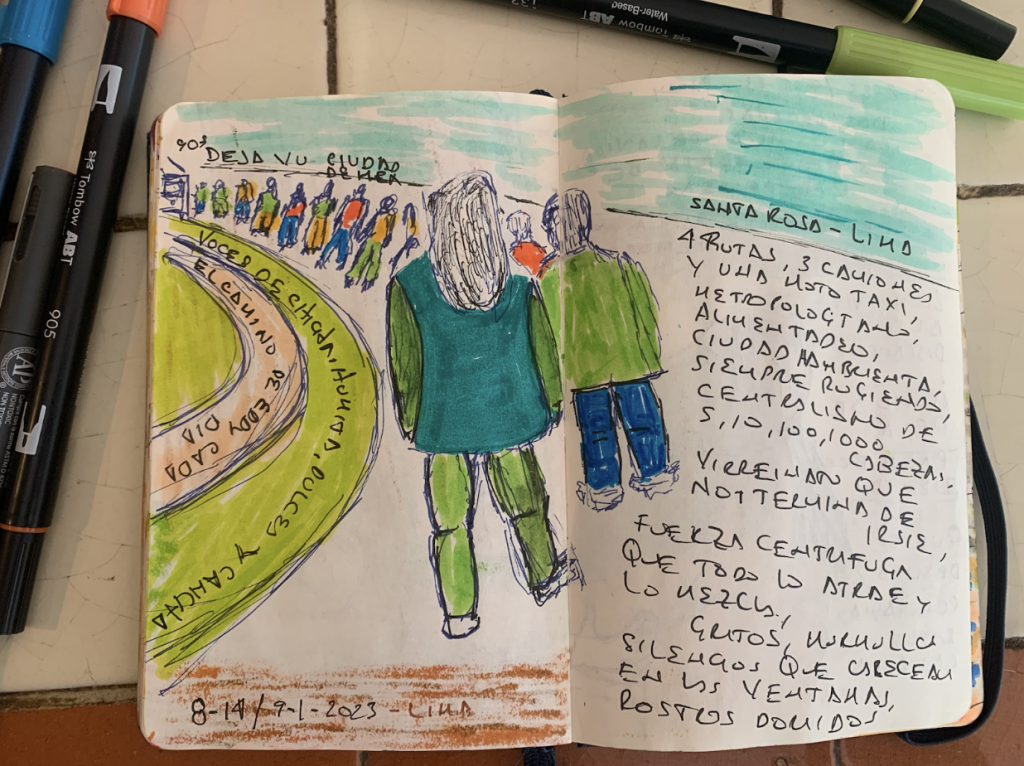
    Cuatro rutas, tres camiones y una moto taxi.

    Metropolitano, alimentadero, ciudad hambrienta,

    Hombres hambrientos, mujeres hambrientas,
    Niños hambrientos,
    Ciudad hambrienta, siempre rugiendo,
    Centralismo que todo lo debora,
    Centralismo de diez, cien, y mil cabezas,

    Virreinato de Lima y Miraflores que no termina de irse,
    El sistema de castas, criollos, indígenas, mulatos, mestizos,
    Centralismo que segrega.

    Fuerza centrífuga que todo lo transforma,
    Que todo atrae, que todo lo absorbe, que todo lo mezcla,
    Que escribe una historia confusa e ilegible.

    En la tarde en el pituco distrito de Miraflores
    El metropolitano se llena,
    Filas interminables,
    Silencio que se pierde en los celulares,
    Son los trabajadores que cabecean en las ventanas,
    Que se golpean la frente,
    Que caen rendidos ante el día,
    Una hora de viaje.

    Al bajar en el Naranjal, pasillos interminables
    Marcados por rejas y barrotes, y más de cien letreros,
    — “Busco Puente Piedra”, pregunto.
    — “Allá”, el joven apurado me contesta.

    Dos líneas,
    Una para ir parado,
    Otra para ir sentado,
    Un pequeño privilegio
    Para quien desea esperar en la fila un poco más.
    Inescapable:
    Otra hora de viaje.

    De pie en esa ballena amarilla, veo las colinas
    Llenas de luces, son las montañas donde habita
    El inmigrante quechua,
    Ahí han hecho sus terrazas, de pie miro por la ventana,
    Observo desde un autobús que revienta,
    No hay espacio para nadie más,
    Es invierno, y los pasajeros visten suéteres y chamarras,
    Yo voy a manga corta con playera negra
    Y cámara al hombro,
    Gorro en la cabeza.

    Al descender —humita, canchita, chicha morada—, canciones
    Que se crean de la nada y del todo, del caos,
    Todos caminan, al norte, al sur, al este y al oeste,
    Hay quienes levitan en los olores y canciones,
    Todos venden a todos, todos se miran a todos,
    Oscura está la calle, subo el puente y veo ese camino largo
    Es la Panamericana que cruza el continente,
    Que se extiende y se pierde en las montañas,
    Que conecta el alma que nos vacía y que nos llena,
    Ha caído la noche,
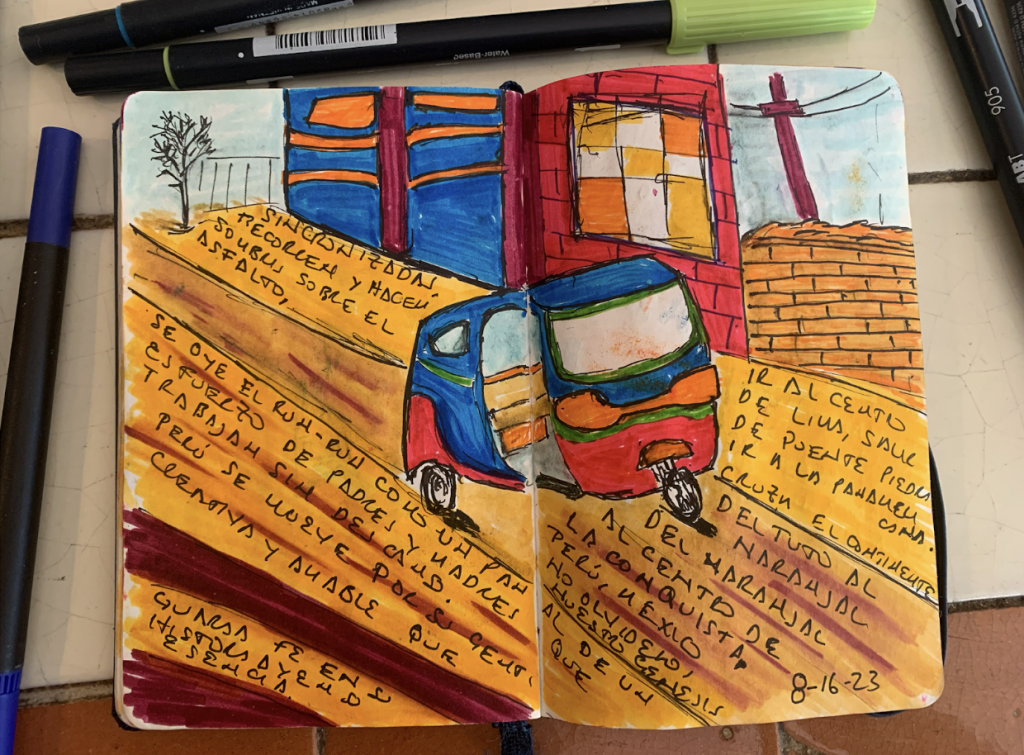
    Hay una moto taxi que espera ser abordada.

    Estoy rendido,
    — “¿Conoce el Quijote en Santa Rosa?” Él responde:
    — “Sí”.
    — “Para allá voy”.
    — “Súbase, ¿de dónde es, caballero?”
    Y sentado, exhausto, le respondo,
    — “De aquí y de todas partes”.
    Me mira sin decir ya más,
    Y esboza una sonrisa.


    English Version:

    Santa Rosa-Lima
    By Obed Arango

    Four routes, three trucks, and a motorcycle cab,
    Metropolitan, feeding a hungry city:
    Hungry men, hungry women,
    Hungry children.
    Hungry city, always roaring,
    All-devouring centralism—
    Centralism of ten, a hundred, a thousand heads.

    Viceroyalty of Lima and Miraflores that does not end up leaving,
    The caste system: Creoles, Indians, mulattos, mestizos—
    Centralism that segregates.
    Centrifugal force that transforms everything,
    Attracts everything, absorbs everything, mixes everything,
    Writes a confusing, illegible history.

    In the afternoon, in the pitiful district of Miraflores,
    The metropolitan is full.
    Endless lines,
    Silence lost in cell phones.
    Workers nod in the windows,
    Slap their foreheads,
    Fall surrendered to the day,
    An hour’s journey.

    As we get off at the Naranjal, endless corridors
    Marked by bars, bars, and more than a hundred signs.
    “I’m looking for Puente Piedra,” I ask.
    “There,” the young man answers in a hurry.
    Two lines:
    One for standing,
    Another for seated—
    A small privilege
    For those who wait a bit longer.
    Inescapable:
    Another hour’s ride.

    Standing on that yellow whale, I see the hills
    Full of lights; they are the mountains where dwells
    The Quechua immigrant.
    There, they have made their terraces. Standing, I look out the window,
    Watch from a bursting bus,
    No room for anyone else.
    It’s winter, passengers in sweaters and jackets,
    I’m in short sleeves, black T-shirt,
    Camera on shoulder,
    Hat on head.

    As we descend—humita, canchita, chicha morada—, songs
    Born of nothing and everything, of chaos.
    All walk north, south, east, west.
    Some levitate in smells and songs;
    Everyone sells to everyone, everyone looks at everyone.
    Dark is the street. I go up the bridge and see that long road:
    The Panamericana, crossing the continent,
    Extending, lost in the mountains,
    Connecting the soul that empties and fills us.
    Night has fallen.
    A motorcycle cab waits to be boarded.
    I am surrendered.
    “Do you know the Quixote in Santa Rosa?”
    He answers:
    “Yes.”
    “That’s where I’m going.”
    “Get on, where are you from, gentleman?”
    And sitting up, exhausted, I answer him,
    “From here and everywhere.”
    He looks at me, says nothing more,
    And smiles.

    Berenice, La Danzante Azteca

    RevarteColectiva · October 3, 2023 · Leave a Comment

    por Leticia Roa Nixon

    Click for English version

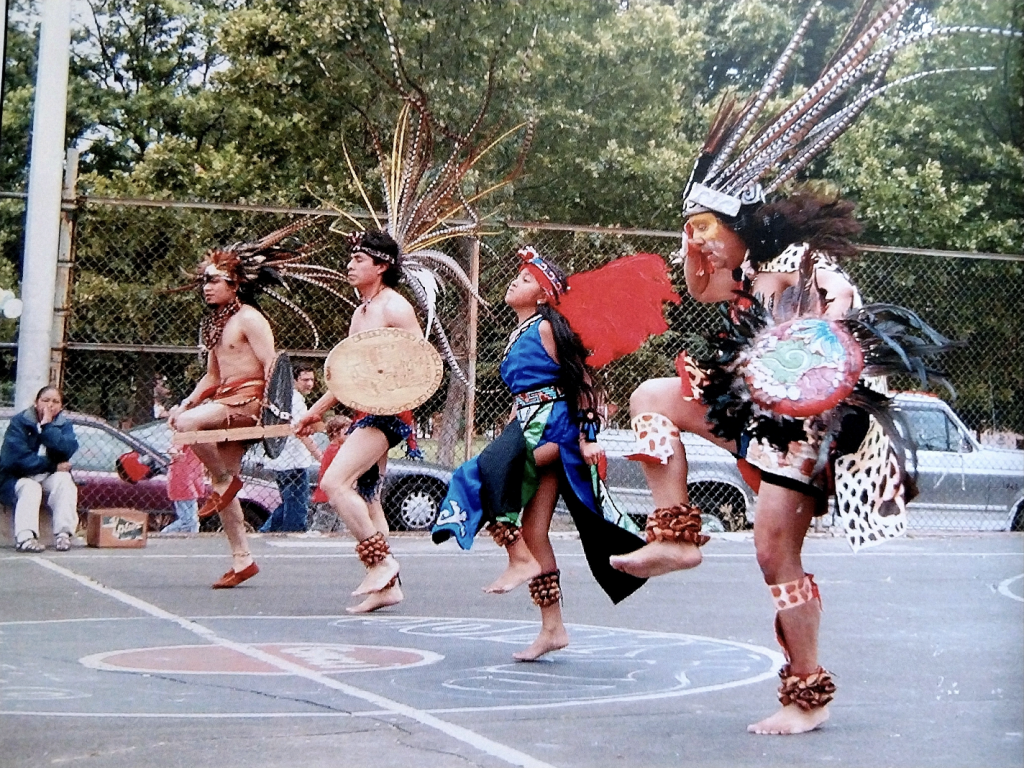
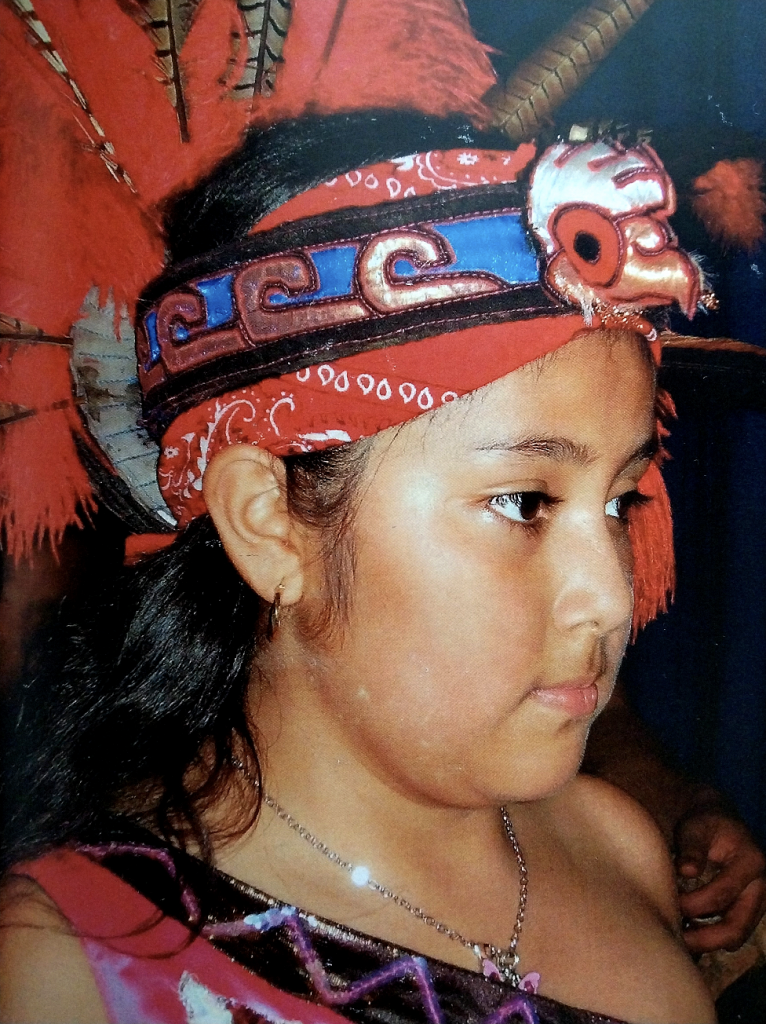
    Berenice vio a los danzantes aztecas de Filadelfia y supo que quería danzar igual que ellos. Le pidió a su papá, Tomás, que la llevara a las prácticas después de clases. Su padre, aunque llegaba cansado del trabajo de construcción, complacía a su única hija.

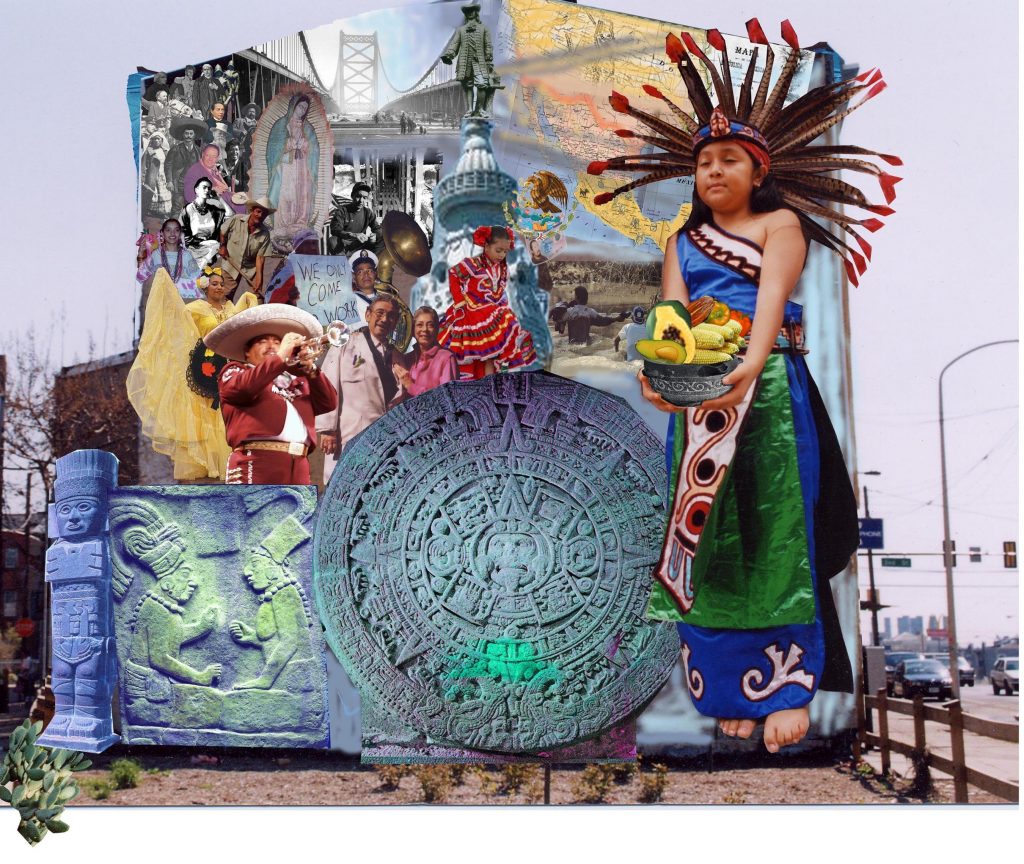
    Berenice era la única niña en el grupo Fuego Nuevo y la más joven pues tenía ocho años. Pronto aprendió las danzas tradicionales: Fuego, Paloma, Venado, Mayahuel y Tonantzin. Tras varios meses sus padres al ver su dedicación decidieron darle una sorpresa. Pidieron su atuendo de danzante a sus parientes de México quienes viven cerca de las Pirámides de Teotihuacan.
    Su tía Luz escogió un lindo traje de tela metálica color rosa mexicano y vistosos adornos de lentejuelas y su tocado de plumas llamado copilli.

    En Filadelfia, su madre Marina le ayudaba a trenzar su cabello y ponerse el copilli y que luciera cada prenda del atuendo.

    Pasó el tiempo y su padre formó su propio grupo de danza llamado Tonantzin Coatlicue que significa Madre Tierra.
    Su padre tocaba el huehuetl, el tambor abuelo y su primo David soplaba su caracol, el atecocolli.

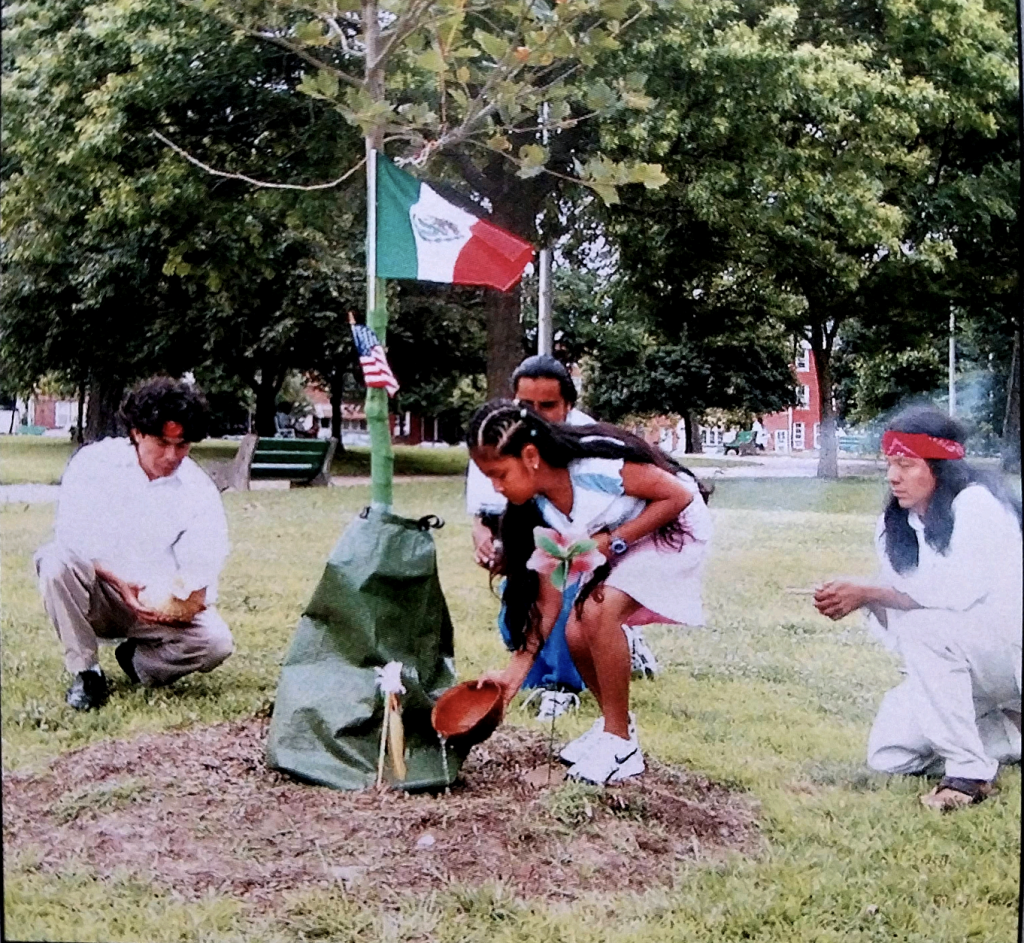
    Su mamá Marina y su abuela Cruz eran las sahumadoras. Se encargaban de mantener el sahumerio encendido desde que se iniciaba la danza hasta que terminaba quemando incienso de copal sobre pedacitos de carbón dentro del sahumerio.

    En la danza azteca, las sahumadoras saludan a las seis direcciones, norte, sur, este, oeste, hacia el cielo y hacia la tierra. Son acompañadas por el sonido del huehuetl y el atecocolli. Los danzantes tocan sus sonajas, los ayacaxtlis, mientras se saluda a las cuatro direcciones, al sol y a la tierra.
    Después se forma el círculo de danzantes y en el centro está el huehuetero y el sahumerio.

    Luego cada uno de los danzantes pasa frente al huehuetl pide permiso y ofrece su danza. Berenice escuchó al huehuetl tocar y dijo suavemente:
    Ta-tan Ta-Tan
    Tatatán –Tan
    Ta-tan Ta-Tan
    Tatatán – Tan
    Tatatata tata tan
    Tatatata tata tata tan

    El toquido del huehuetero indica a los danzantes que ya comenzará la danza solicitada. Berenice ha aprendido que los pasos de la danza representan a la naturaleza. Las vueltas y giros representan la fertilidad y otras combinaciones representan la tierra y las cosechas. Girando en el aire representa el alma. Los brincos sobre el mismo sitio, al fuego, mientras que los pasos en zig zag simbolizan el agua.

    ¡Zin Zin! suenan las coyoleras atadas alrededor de sus tobillos.
    ¡Whoosh Whoosh! zumba el aire cuando Berenice da sus giros.
    Con cada paso, zin zin, las coyoleras imitando el sonido de la serpiente, suenan alrededor de sus tobillos. Berenice siente como vibra la tierra bajo sus pies descalzos.

    Al terminar esta danza, recibe del regidor de las danzas el bastón que debe llevar para pasar al frente del huehuetl para ofrendar su danza que es Águila Blanca.
    En cada parte de su danza, Berenice siente que vuela al igual que el ave, elevándose por encima del círculo de los danzantes.
    Con cada giro siente cada vez más que vuela tan alto como si pudiera alcanzar las nubes y los astros.

    Siente el viento acariciar su rostro y el aleteo de las alas poderosas del águila.
    Y en eso escucha en su oído las palabras del Jefe Antonio:
    “La danza de conquista azteca es una danza para los cuatro colores de las razas-madre, la roja, la negra, la blanca y la amarilla; para los cuatro vientos y las cuatro direcciones. Quien danza hacia las cuatro direcciones templa su espíritu y llega hasta su propio centro. Y, al centrarse, centra todo el universo.”

    Poco después alcanza lograr escuchar de nuevo el sonido del huehuetl indicando que su está llegando a su fin.
    Berenice siente que como si su cuerpo fuera aterrizando lentamente para encontrarse otra vez en el círculo de los danzantes.

    Frente al huehuetl traza los pasos que indican que ha terminado su danza y luego corre dentro del círculo con el bastón para entregarlo al regidor.
    Ocupa de nuevo su lugar y siente de nuevo vibrar la tierra cuando todos los danzantes comienzan a seguir los pasos de la siguiente danza.
    “Ah, es Mayahuel”, piensa para sí y pronto se deja llevar por el vaivén pausado de esa danza.

    Cuando todos los danzantes han ofrendado su baile, las sahumadoras recogen sus sahumerios que estaban frente al huehuetl, su primo David toma su atecocolli y los danzantes suenan sus ayacaxtlis. Es tiempo de agradecer y despedir a las seis direcciones, oriente, poniente, norte y sur, al sol Tonatiuh y a la tierra Tonantzin

    Después los danzantes que siguen en el círculo comparten sus sentimientos.
    Toca el turno a Berenice : “Con el permiso del Creador y de los danzantes aquí presentes doy gracias por estas danzas que han alegrado mi corazón”.

    Luego es tiempo de cambiarse el atuendo y platicar con los demás mientras se comparte fruta, agua, atole y comida.
    Berenice, la danzante azteca, se siente feliz de ser parte de la gran familia que conserva esta tradición del México prehispánico.


    English Version:

    Berenice saw the Aztec dancers of Philadelphia and knew she wanted to dance just like them. She asked her father, Tomás, to take her to practices after classes. Her father, though tired from construction work, indulged his only daughter.

    Berenice was the only girl in the Fuego Nuevo group and the youngest, being only eight years old. She quickly learned the traditional dances: Fuego, Paloma, Venado, Mayahuel, and Tonantzin. After several months, seeing her dedication, her parents decided to give her a surprise. They ordered her dancer’s outfit from their relatives in Mexico who live near the Pyramids of Teotihuacan.

    Her aunt Luz chose a lovely metallic pink fabric costume with bright sequin decorations and her feathered headdress, called copilli.

    In Philadelphia, her mother Marina helped her braid her hair and wear the copilli, making each piece of the outfit look perfect.

    As time passed, her father formed his own dance group called Tonantzin Coatlicue, which means Mother Earth. Her father played the huehuetl, the grandfather drum, and her cousin David blew his conch shell, the atecocolli.

    Her mother Marina and her grandmother Cruz were the sahumadoras. They were responsible for keeping the incense burner lit from the start to the end of the dance, burning copal incense on bits of coal inside the burner.

    In the Aztec dance, the sahumadoras greet the six directions: north, south, east, west, towards the sky, and towards the earth. They are accompanied by the sound of the huehuetl and the atecocolli. The dancers play their rattles, the ayacaxtlis, while greeting the four directions, the sun, and the earth.

    Then, the circle of dancers is formed, and in the center are the huehuetero and the incense burner.

    Next, each dancer passes in front of the huehuetl, asks for permission, and offers their dance. Berenice heard the huehuetl play and softly said: Ta-tan Ta-Tan Tatatán –Tan Ta-tan Ta-Tan Tatatán – Tan Tatatata tata tan Tatatata tata tata tan

    The huehuetero’s beating indicates to the dancers that the requested dance is about to begin. Berenice has learned that the steps of the dance represent nature. The turns and spins represent fertility, and other combinations represent the earth and the crops. Spinning in the air represents the soul. The jumps in place represent fire, while the zigzag steps symbolize water.

    Zin Zin! the coyoleras tied around her ankles sound. Whoosh Whoosh! the air hums as Berenice spins. With each step, zin zin, the coyoleras, imitating the sound of the snake, ring around her ankles. Berenice feels the earth vibrate under her bare feet.

    At the end of this dance, she receives from the dance regidor the staff that she must carry to the front of the huehuetl to offer her dance which is Águila Blanca. In each part of her dance, Berenice feels she flies like the bird, soaring above the circle of dancers. With each turn, she feels increasingly as if she could reach the clouds and the stars.

    She feels the wind caress her face and the powerful wings of the eagle flapping. And then, she hears in her ear the words of Chief Antonio: “The Aztec conquest dance is a dance for the four colors of the mother races, red, black, white, and yellow; for the four winds and the four directions. Whoever dances towards the four directions tempers their spirit and reaches their own center. And, by centering, centers the whole universe.”

    Soon after, she manages to hear again the sound of the huehuetl indicating that her dance is coming to an end. Berenice feels as if her body is slowly landing to meet again in the circle of dancers.

    In front of the huehuetl, she traces the steps indicating she has finished her dance and then runs inside the circle with the staff to hand it to the regidor. She takes her place again and feels the earth vibrate anew as all the dancers begin to follow the steps of the next dance. “Ah, it’s Mayahuel,” she thinks to herself and soon lets herself be carried away by the slow sway of that dance.

    When all the dancers have offered their dance, the sahumadoras collect their incense burners that were in front of the huehuetl, her cousin David takes his atecocolli, and the dancers sound their ayacaxtlis. It is time to thank and bid farewell to the six directions, east, west, north, and south, to the sun Tonatiuh and to the earth Tonantzin.

    Then the dancers still in the circle share their feelings. It’s Berenice’s turn: “With the permission of the Creator and the dancers present here, I give thanks for these dances that have gladdened my heart.”

    Then it’s time to change the outfit and chat with others while sharing fruit, water, atole, and food. Berenice, the Aztec dancer, feels happy to be part of the great family that preserves this tradition of pre-Hispanic Mexico.

    Leticia Roa Nixon

    Leticia Nixon, nacida en la Ciudad de México, cursó la carrera de comunicación en la Universidad Iberoamericana. Desde 1992 se dedica al periodismo comunitario de Filadelfia. Es autora de seis libros y video productora de PhillyCAM. Escribe para philatinos.com y reside en Swarthmore, Pa.

    Leticia Nixon, born in Mexico City, studied communications at the Universidad Iberoamericana. Since 1992 she has been dedicated to community journalism in Philadelphia. She is the author of six books and video producer for PhillyCAM. She writes for philatinos.com and lives in Swarthmore, Pa.

    Selected Works by Leticia Nixon:
    Cuando los Tejidos Hablan (When Fabrics Speak)
    Huracán Corazón Del Cielo (Huracán, Heart of the Sky)
    El Lienzo de Tlapalli (The Tlapalli Canvas)

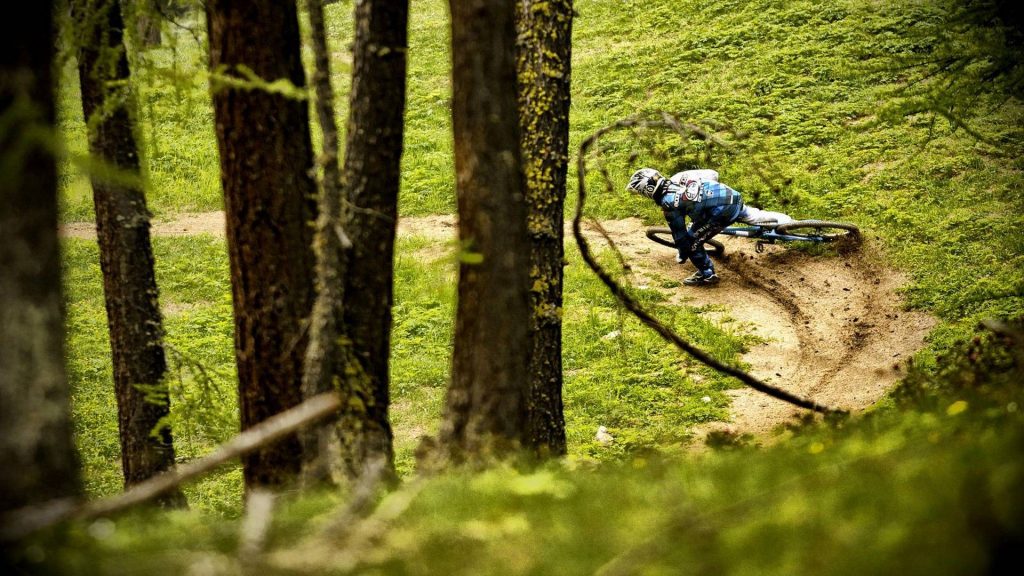
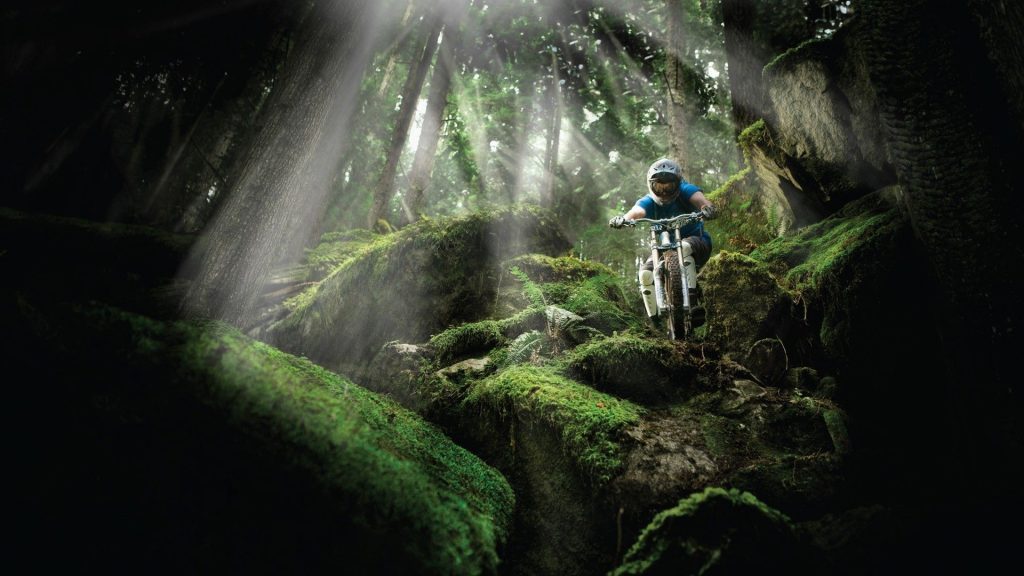
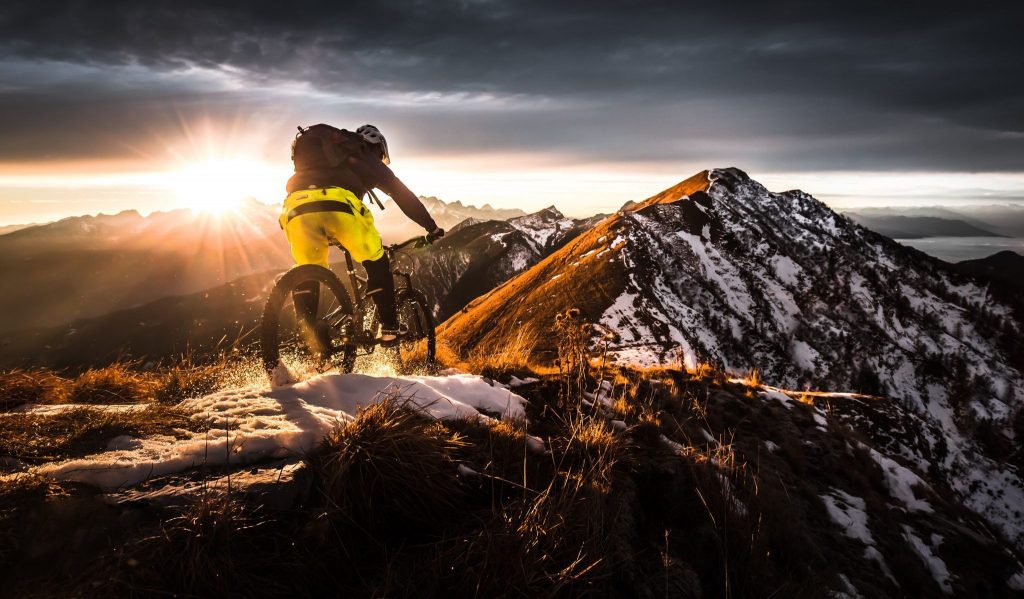
      POEMAS DEL ÉTER y LA TRAVESÍA DEL GAP EN BICICLETA

      RevarteColectiva · October 3, 2023 · Leave a Comment

      MARILU VILLANUEVA

      AVATAR DEL ÉTER

      Persiguiendo mi propio recuerdo imposible

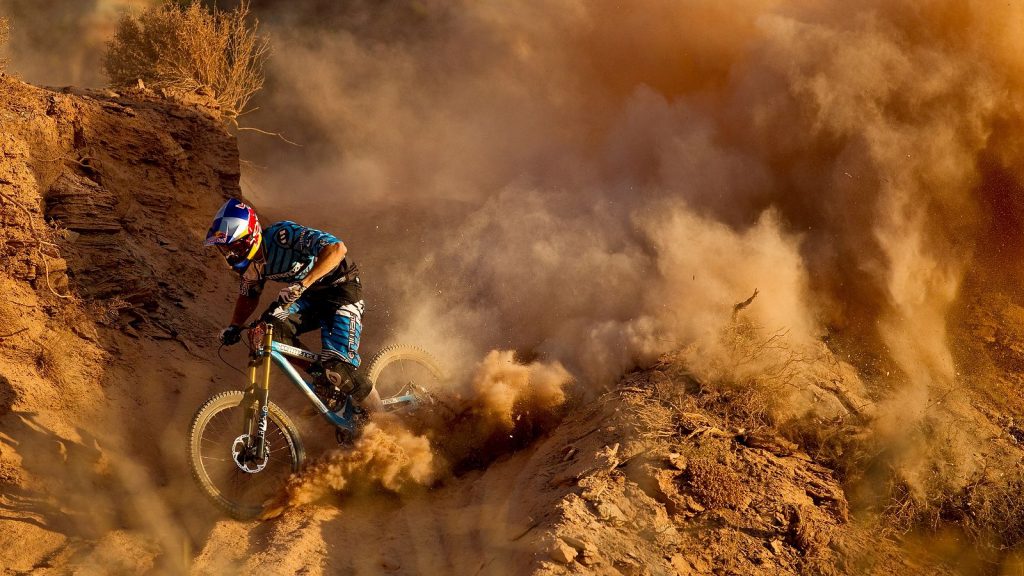
      Me aventuré hacia el bosque alto

      Perdiéndome entre los senderos.

      Subiendo hacia la montaña del ángel azul

      Desde el cielo te vi descender.

      Flotabas cortando el viento a gran velocidad

      Y te posaste derrapando sobre la tierra

      Montado en dos ruedas encendidas.

      La más increíble aparición

      Entre nubes de polvo

      Y fuego en los pedales.

      Cruzando como una ráfaga imparable

      Me reconocí en ti.

      Y se mezcló tu fuego con el agua de mis ojos.

      Peligrosamente hermoso

      Descaradamente bello

      Travieso saltabas sobre las rocas

      Y el eco multiplicaba tu risa entre los árboles.

      Mágico Avatar del Éter

      Maestro de los cuatro elementos

      Rueda veloz rodeando la montaña

      Llevándote las sombras de lo imposible.

      Muéstrame la Libertad en el reflejo de tu mirada

      Exhala sobre mi rostro tu encanto de fuego

      Posando tus labios en un beso eterno.

      Rodéame con tus alas

      Y enséñame a volar hacia el firmamento.

      Semidiós alado multicolor

      Que dominas todos los terrenos

      Llévame lejos a gran velocidad

      Con la fuerza de tu embrujo

      Hacia la Total Libertad.

      Producciones del Quinto Elemento.

      MARILÚ VILLANUEVA.

      AVATAR DEL ÉTER

      EL GAP ENTRE LOS NIÑOS DEL ENDURO

      Desde la cima del Monte Tam

      Descendemos con furia lúdica

      Atacando los cortafuegos

      Y sorteando las piedras.

      El elástico espacio entre nuestras enduro

      Se mantiene dinámicamente presente.

      Existe magia de tiempo y distancia entre los dos.

      Vas al frente en la persecución

      Subes y bajas tu velocidad

      Y yo ajusto la brecha entre nosotros.

      No deseo alcanzarte

      Me obsesiona el intervalo que nos separa

      Quiero perderme en la tensión del vaivén

      En la aventura de descifrarte.

      Elijo observarte entre saltos

      Acercarme peligrosamente en cada curva.

      Para después alejarme y contemplar

      Tu dominio perfecto de la bicicleta.

      Serpenteando los senderos de lo prohibido

      Bordeando troncos y rocas

      Te respiro secretamente en el viento

      Y sin contacto nos fusionamos en uno.

      Es la permanente posibilidad de sonrisa

      Inherente a este Gap de polvo y Éter

      Sin claridad en las intenciones

      La que mantiene viva la llama en mis pedales.

      Avanzo y me retraigo divertida

      En este resquicio de seducción eterna

      Incendiándome con las chispas de tu mirada

      Y el salvaje suspiro de tus labios suaves.

      Jamás detengas tu vuelo vertiginoso y libre

      Ciclista hermoso con encanto de verano

      Muchacho impetuoso de la montaña

      Niño del Enduro de todo el año.

      Producciones del Quinto Elemento.

      MARILÚ VILLANUEVA.

      EL GAP ENTRE LOS NIÑOS DEL ENDURO

      EL ETERNO GAP DE ÉTER

      ¿Y qué sabes tú de lo que existe en el intersticio entre la inquietud y el más incipiente amor?…

      Es un espacio donde todo y nada sucede, la mente se desprende, los sueños oscilan de un límite a otro.

      El entorno es claro, transparente… no aparece el más fino interés.

      Nada es más abierto y libre… no hay ataduras.

      Las intenciones tácitas son… ni siquiera tu voz o mi voz sabrían pronunciarlas: porque no las conocen.

      No hay una meta o un camino a seguir. Puedo avanzar, regresar… detenerme o perderme en el vaivén.

      Puedo rozarte con mis letras… y tú acariciarme con tus ojos.

      Puedo besar tu sonrisa… y percibir inocencia.

      Soy completo cuando estoy contigo, porque soy yo mismo…

      Tan completo… que generoso disfruto compartiendo un fragmento de felicidad.

      Me gusta escucharte, sentirte y saberte cerca.

      No soy culpable si continúo trazando líneas.

      Aunque mi mano proyecte una sombra de amor sobre el papel… 

      Son dimensiones separadas.

      Las divide este abismo de emociones: del que, a intervalos, no quisiera salir.

      Puedo llegar tan alto como mi imaginación permita o descender hacia donde todo está latente… y fingir no recordar.

      El mundo da vueltas… yo giro, salto, me elevo o desciendo… oscilo en sueños, avanzo y regreso… me pierdo en el tiempo.

      Mi corazón se sobresalta… y me acerco feliz a la locura de descubrirte.

      Dulcemente… no es amor

      Pero dime, entonces:

      ¿Qué sabes tú de lo que existe en este… nuestro eterno Gap de Éter?

      En el eterno intersticio entre nosotros.

      Producciones del Quinto Elemento.

      MARILÚ VILLANUEVA.

      EL ETERNO GAP DE ÉTER

      LA INSPIRACIÓN LLEVA TU NOMBRE

      El poeta escogió como alimento: la inspiración.

      Quién diría que la inspiración tendría nombre de varón y el encanto de la bicicleta. 

      Traduciendo fuerza en delicadas emociones y energía en endebles movimientos.

      Ahora pareces inaccesible… y por lo mismo: fascinante.

      ¿Qué tan prohibido será que viajes por los senderos de mi mente?

      Avanzando despacio, con un pausado y ligero rodar que te conduzca… sin conciencia aparente… hacia oníricos destinos. 

      Dejándote llevar en la dirección de un viento que murmulla cómo mi corazón canta… tus pedales, al unísono de mis latidos.

      Será un paseo suave… callado… entre las nubes del Éter… con la tranquilidad de quien respira sueños de tenues matices.

      Un silencio casi absoluto rodeará tu figura, para que escuches el musical acento de tu suspiro inquieto.

      Cierra tus ojos… tan sólo piensa en ti… percibirás como puedo tocarte intensamente con la mirada:

      Dibujando así… silentes caricias sobre tu piel; que resbalarán en grácil descenso, una a una, cubriendo tu ser.

      De mis labios escapará un beso tibio, bañándote con la inocencia frágil de quien desea pensarte hasta la devoción.

      No existe en mí el tiempo, mas permíteme crearte a cada instante.

      Experimenta cómo sólo queda de ti lo que de mi queda: sólo existo a través de ti, que no existes en absoluto, puesto que sólo existes a través de mí.

      Escondido en lo que el poeta llama inspiración.

      Porque la inspiración… lleva tu nombre.

      Producciones del Quinto Elemento.

      MARILÚ VILLANUEVA.

      LA INSPIRACIÓN LLEVA TU NOMBRE

      Glosario

      * El Enduro: Es un Downhill con bicis más técnicas

      * El Monte Tam en California es el Origen del: Mountain Bike

      * La Montaña del Ángel Azul: Es el Cerro de San Miguel en el Desierto de los Leones

      MARILU VILLANUEVA

      Maestra en Letras Iberoamericanas.
      Terapeuta Alternativa Experta en Técnicas Meditativas
      Amante del Zen, la Montaña y la Bicicleta. Mexicana
        • « Go to Previous Page
        • Page 1
        • Interim pages omitted …
        • Page 5
        • Page 6
        • Page 7
        • Page 8
        • Page 9
        • Page 10
        • Go to Next Page »

        Hit the ground running with a minimalist look. Learn More

        Copyright © 2026 · Monochrome Pro on Genesis Framework · WordPress · Log in

        • Instagram
        • Facebook