• Skip to primary navigation
  • Skip to main content

REVARTE

  • Home
  • About
    • REVARTE Collective
  • Issues
  • Content
    • LITERATURA
    • JUVENTUD
    • ENSAYO
    • COMUNIDAD
    • MEDIA
  • Subscribe
  • Contribute
  • Show Search
Hide Search

Ensayo

Licenses for All: Our Humanity is Not Negotiable! 

RevarteColectiva · September 30, 2024 · Leave a Comment

By Luis Larin

Click here for Spanish version
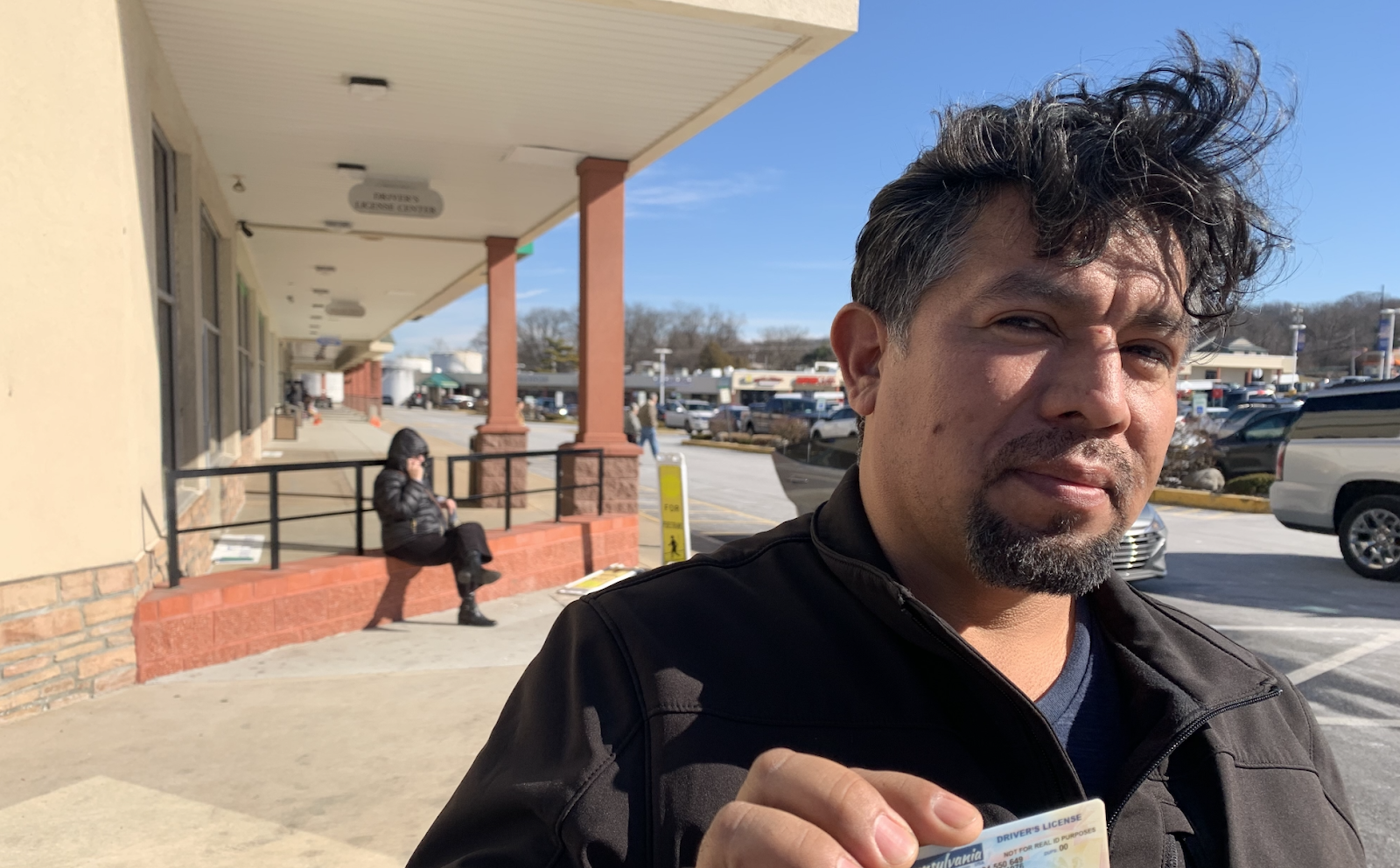
“Decades of waiting for this identification¡” Salvador comments for the documentary MACONI that can be seen in this issue.

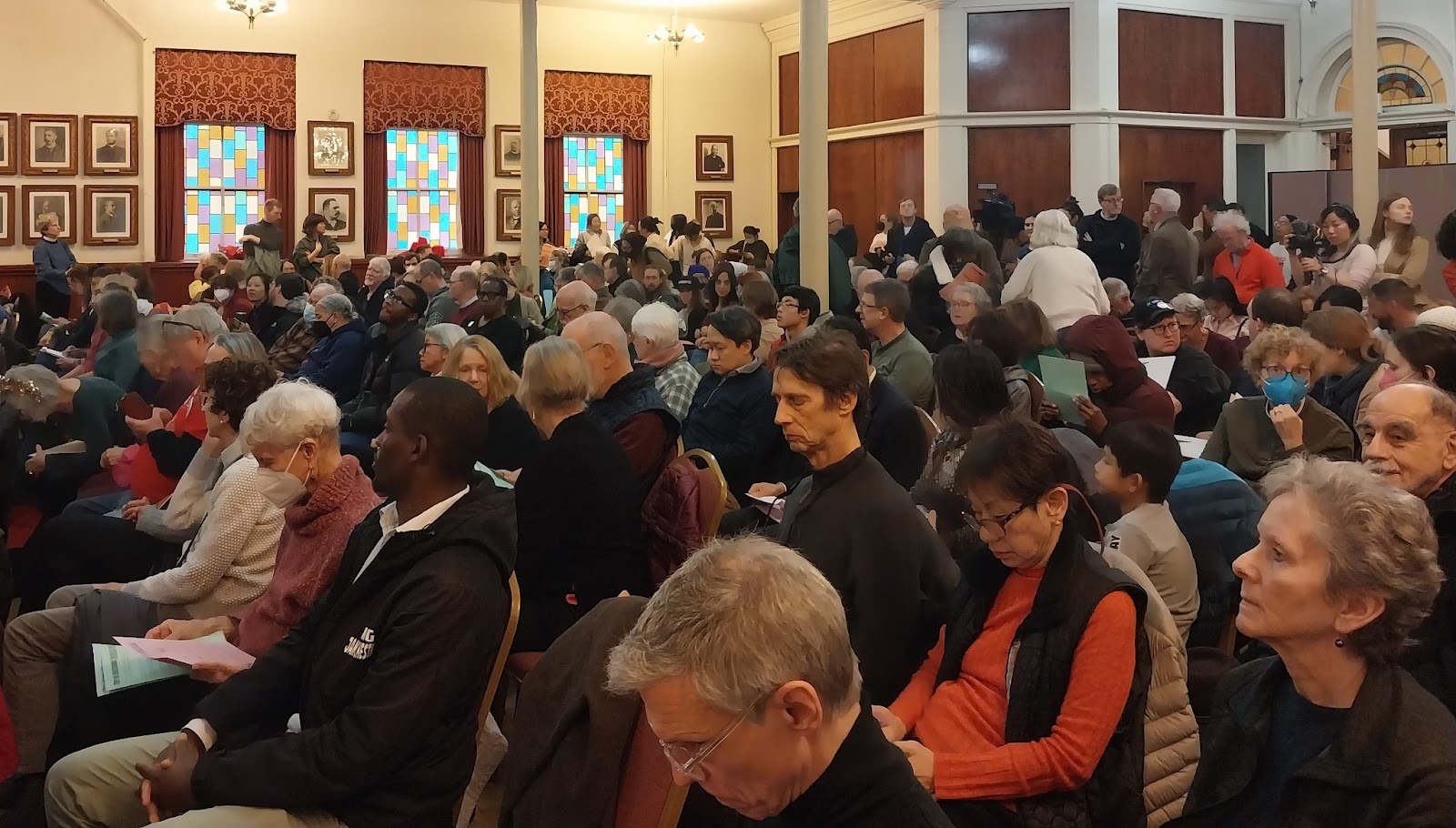
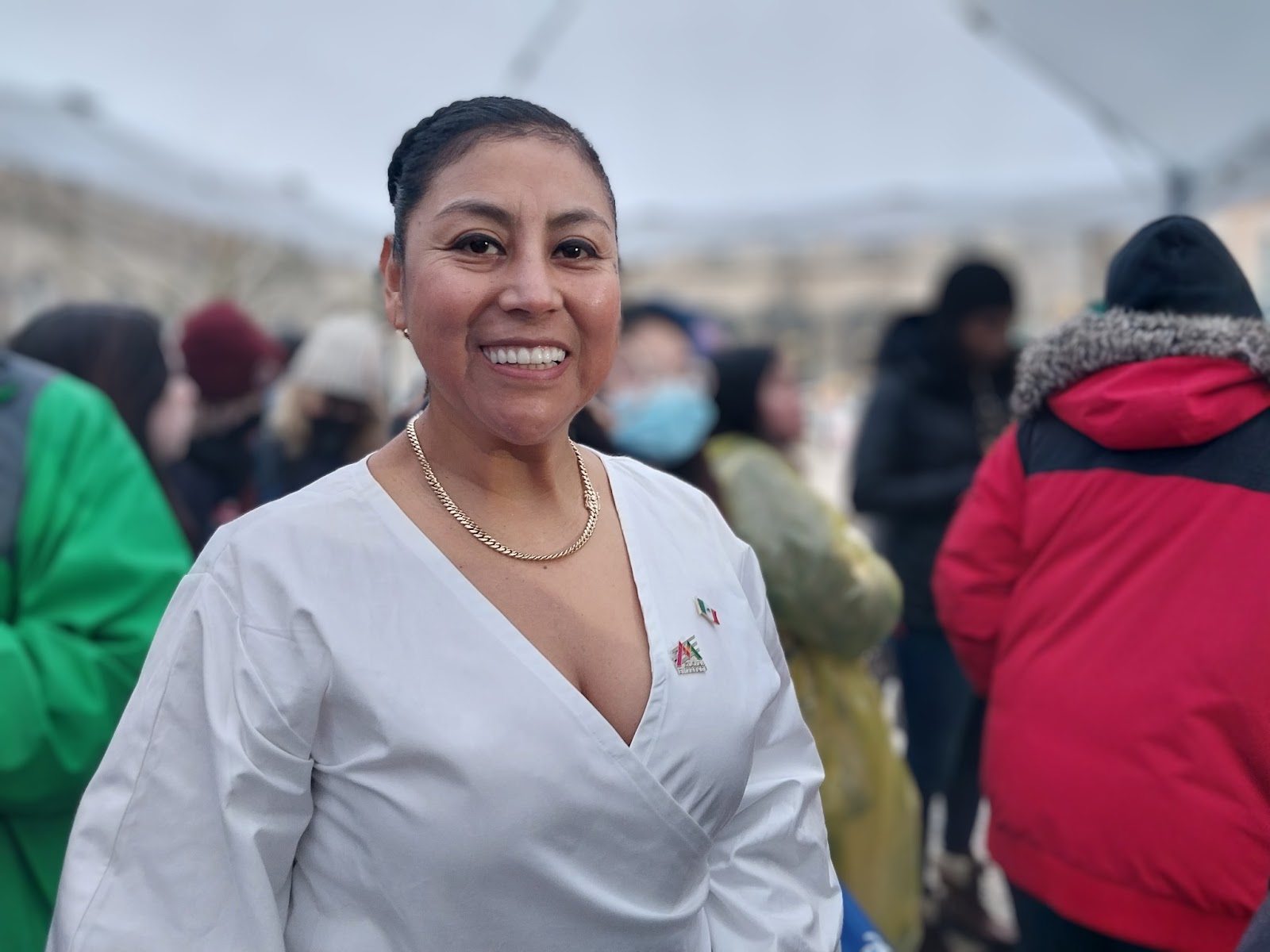
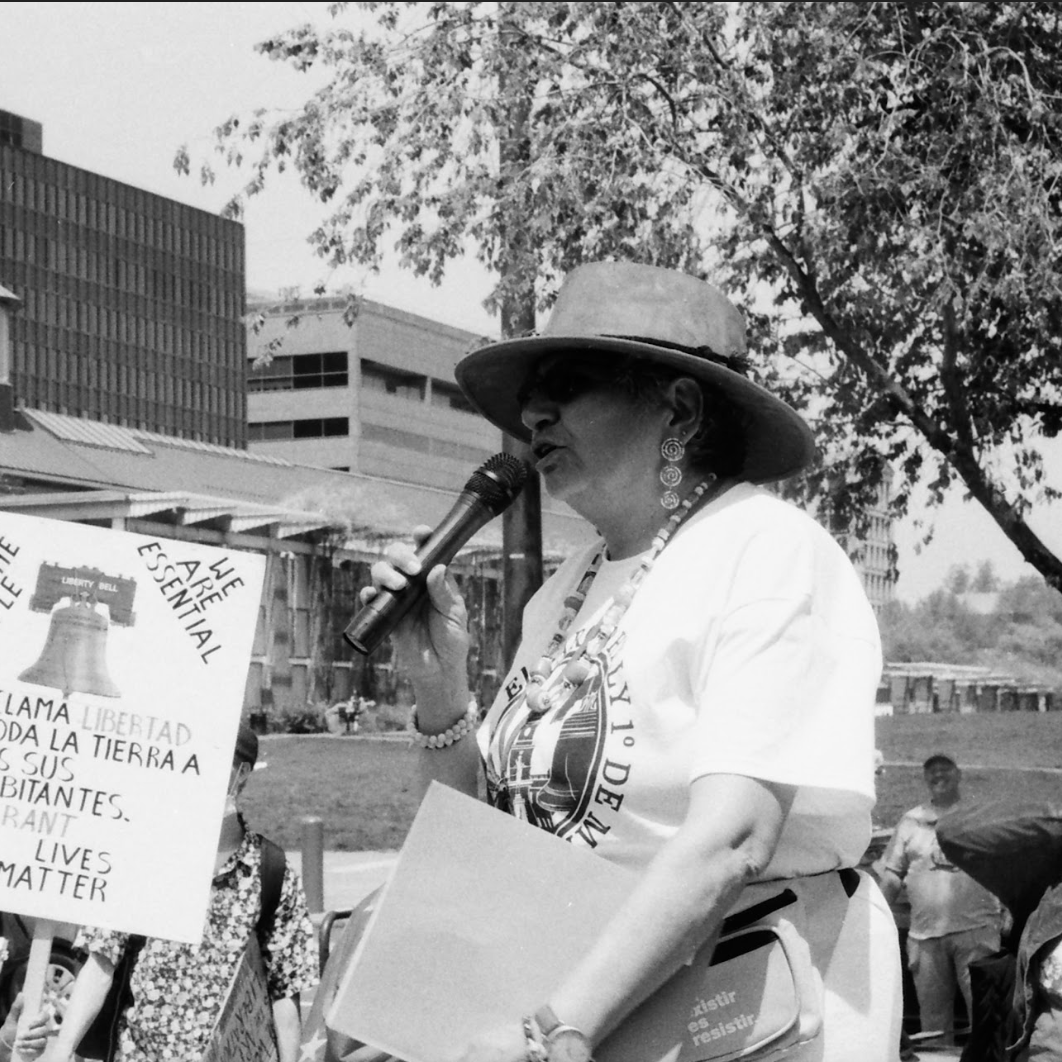
In the heart of Pennsylvania, a crucial battle is being fought for the rights and dignity of our immigrant community. The campaign for driver’s licenses for all, regardless of immigration status, is not just a fight for a document; It is a fight for our humanity, our security and our future. 

The PA’Lante Driving Pennsylvania Coalition has been on the front lines of this battle, representing a wide diversity of grassroots community organizations, faith groups, unions, local businesses, and community leaders. This coalition not only advocates for driver’s licenses, but also fights for recognition and respect for the human dignity of all Pennsylvanians. Newly arrived immigrants, second-generation immigrants, native-born citizens: we are all residents of the state of Pennsylvania and contribute in one way or another to the progress and prosperity of the state. 

We refuse to be seen and treated as tools or cheap labor! We are human beings, with dreams, families and communities. Our worth is not measured by how hard we work, but by our humanity. Each of us has a story, a life that deserves respect and recognition. The PA’Lante Driving Pennsylvania Coalition is committed to changing the narrative, to re-humanizing our Pennsylvania communities, which have long been exploited and marginalized. We are not numbers, we are not simple cogs in the economic machine; We are people with the right to live without fear and with dignity.

According to the population census and official state data, Pennsylvania has 12.97 inhabitants, of which 11.8 percent live below the poverty line, that is, 1.4 million. But an estimated 30 percent more live on low income.  This reality affects us all, citizens and immigrants alike. It’s time to reject the divisive “us versus them” narrative! Let’s not fall into the trap of blaming immigrants for the economic problems we all face. Let us not allow ourselves to be divided. The unity of the poor, the unity of the community, is our strength. Our struggles are shared, and our victory will be collective. 

Passing HB679 is not an option, it is an urgent need! This bill will not only create safer roads, it will protect our families and our private information. Why does House leadership refuse to move this bill? Their inaction is as harmful as a direct attack on our community. 

From the beginning, the Coalition has been pushing for the Pennsylvania Legislature to act with justice and humanity. In 2002, changes in state laws began to negatively affect undocumented immigrants, depriving them of their driver’s licenses. In 2013, after years of community mobilization, a bill was introduced to reverse these changes, but the fight has been long and arduous. In 2019, the Pennsylvania PA’Lante Driving Coalition formalized its strategic effort to ensure that everyone, regardless of immigration status, has access to driver’s licenses.

Pennsylvania political leaders, we appeal to you directly: your silence and inaction are complicit in injustice. You have the power to change lives with your vote. What are you waiting for? Every day that passes without this law is another day of fear and insecurity for thousands of families. 

To the community, the call is clear: unity and action are our most powerful tools. We cannot sit idly by. We must organize, mobilize and make our voices heard in every corner of the state. Let them know that we are here and that we are not going anywhere! 

– Join the Driving Pennsylvania PA’Lante Coalition. 

– Participate in demonstrations and public events. 

– Call and write to your representatives every day. 

– Share your story and that of your family with everyone you meet. 

Let us remember that immigration is a federal matter, but safety on our roads is the responsibility of the state. Pennsylvania can no longer ignore this reality. Nineteen states have already passed similar laws, Pennsylvania, it’s our turn! 

Let’s act now! Every call, every letter, every demonstration counts. We will not rest until every Pennsylvanian can drive without fear, until every family can live with dignity.

To our allies we say: this is not just the struggle of immigrants. It’s a fight for a fairer, safer Pennsylvania for everyone. Your support and solidarity are crucial. Join us on the streets, in legislators’ offices, on social media. Together, we are unstoppable. 

The time is now. We can’t wait any longer. Every day without licenses is a day of injustice. Let’s make our voices resonate in every corner of Pennsylvania: 

Licenses for everyone! Dignity for all! Justice for all! 

To contact the Driving Pennsylvania PA’Lante Coalition, you can visit www.drivingpaforward.org or write to info@drivingpaforward.org or follow us on Facebook: facebook.com/driverslicensesforall

Español:

¡Licencias para Todos: Nuestra Humanidad No Se Negocia! 

En el corazón de Pensilvania, una batalla crucial se libra por los derechos y la dignidad de nuestra comunidad inmigrante. La campaña por licencias de conducir para todos, independientemente del estatus migratorio, no es solo una lucha por un documento; es una lucha por nuestra humanidad, nuestra seguridad y nuestro futuro. 

La Coalición Manejando Pennsylvania PA’Lante ha estado al frente de esta batalla, representando a una amplia diversidad de organizaciones comunitarias de base, grupos de fe, sindicatos, empresas locales y líderes comunitarios. Esta coalición no sólo aboga por las licencias de conducir, sino que también lucha por el reconocimiento y el respeto de la dignidad humana de todos los residentes de Pensilvania. Inmigrantes recién llegados, inmigrantes de segunda generación, ciudadanos nacidos aquí: todos somos residentes del estado de Pensilvania y contribuimos de una forma u otra al progreso y prosperidad del estado. 

¡Rehusamos ser vistos y tratados como herramientas o mano de obra barata! Somos seres humanos, con sueños, familias y comunidades. Nuestro valor no se mide por cuán duro trabajamos, sino por nuestra humanidad. Cada uno de nosotros tiene una historia, una vida que merece respeto y reconocimiento. La Coalición Manejando Pennsylvania PA’Lante se ha comprometido a cambiar la narrativa, a re-humanizar a nuestras comunidades de Pennsylvania, que por mucho tiempo han sido explotadas y marginadas. No somos números, no somos simples engranajes en la máquina económica; somos personas con derecho a vivir sin miedo y con dignidad. 

De acuerdo al censo poblacional y datos oficiales del estado, Pennsylvania tiene 12.97 habitantes de los cuales el 11.8 por ciento vive debajo de la linea de pobreza es decir 1.4 millones. Pero se calcula que hay un 30 por ciento más que vive con bajos ingresos.  Esta realidad nos afecta a todos, ciudadanos e inmigrantes por igual. ¡Es hora de rechazar la narrativa divisoria del “nosotros contra ellos”! No caigamos en la trampa de culpar a los inmigrantes por los problemas económicos que enfrentamos todos. No permitamos que nos dividan. La unidad de los pobres, la unidad de la comunidad, es nuestra fuerza. Nuestras luchas son compartidas, y nuestra victoria será colectiva. 

La aprobación del proyecto de ley HB679 no es una opción, ¡es una necesidad urgente! Este proyecto de ley no solo creará carreteras más seguras, sino que protegerá a nuestras familias y nuestra información privada. ¿Por qué el liderazgo de la Cámara se niega a mover este proyecto? Su inacción es tan dañina como un ataque directo a nuestra comunidad. 

Desde el principio, la Coalición ha estado presionando para que la Asamblea Legislativa de Pensilvania actúe con justicia y humanidad. En 2002, cambios en las leyes estatales comenzaron a afectar negativamente a los inmigrantes indocumentados, privándolos de sus licencias de conducir. En 2013, después de años de movilización comunitaria, se presentó un proyecto de ley para revertir estos cambios, pero la lucha ha sido larga y ardua. En 2019, la Coalición Manejando Pennsylvania PA’Lante formalizó su esfuerzo estratégico para garantizar que todos, sin importar su estatus migratorio, tengan acceso a licencias de conducir.

Líderes políticos de Pensilvania, les hacemos un llamado directo: su silencio y su inacción son cómplices de la injusticia. Tienen el poder de cambiar vidas con su voto. ¿Qué están esperando? Cada día que pasa sin esta ley es un día más de miedo e inseguridad para miles de familias. 

A la comunidad, el llamado es claro: la unidad y la acción son nuestras herramientas más poderosas. No podemos quedarnos de brazos cruzados. Debemos organizarnos, movilizarnos y hacer oír nuestras voces en cada rincón del estado. ¡Que sepan que estamos aquí y que no nos iremos a ninguna parte! 

– Únete a la Coalición Manejando Pennsylvania PA’Lante. 

– Participa en manifestaciones y eventos públicos. 

– Llama y escribe a tus representantes todos los días. 

– Comparte tu historia y la de tu familia con todos los que conozcas. 

Recordemos que la inmigración es un asunto federal, pero la seguridad en nuestras carreteras es responsabilidad del estado. Pensilvania no puede seguir ignorando esta realidad. Diecinueve estados ya han aprobado leyes similares, ¡Pensilvania, es nuestro turno! 

¡Actuemos ahora! Cada llamada, cada carta, cada manifestación cuenta. No descansaremos hasta que cada residente de Pensilvania pueda conducir sin miedo, hasta que cada familia pueda vivir con dignidad. 

A nuestros aliados les decimos: esta no es solo la lucha de los inmigrantes. Es una lucha por una Pensilvania más justa y segura para todos. Su apoyo y solidaridad son cruciales. Únanse a nosotros en las calles, en las oficinas de los legisladores, en las redes sociales. Juntos, somos imparables. 

El momento es ahora. No podemos esperar más. Cada día sin licencias es un día de injusticia. Hagamos que nuestras voces resuenen en cada rincón de Pensilvania: 

¡Licencias para todos! ¡Dignidad para todos! ¡Justicia para todos! 

Para ponerse en contacto con la Coalición Manejando Pennsylvania PA’Lante, puedes visitar www.drivingpaforward.org o escribir a info@drivingpaforward.org puedes seguirnos en Facebook: facebook.com/driverslicensesforall

Luis Larin

Luis Larin is a Statewide Coordinator for Driving PA Forward.

Luis Larin es Coordinador Estatal de Impulsando la PA hacia adelante.
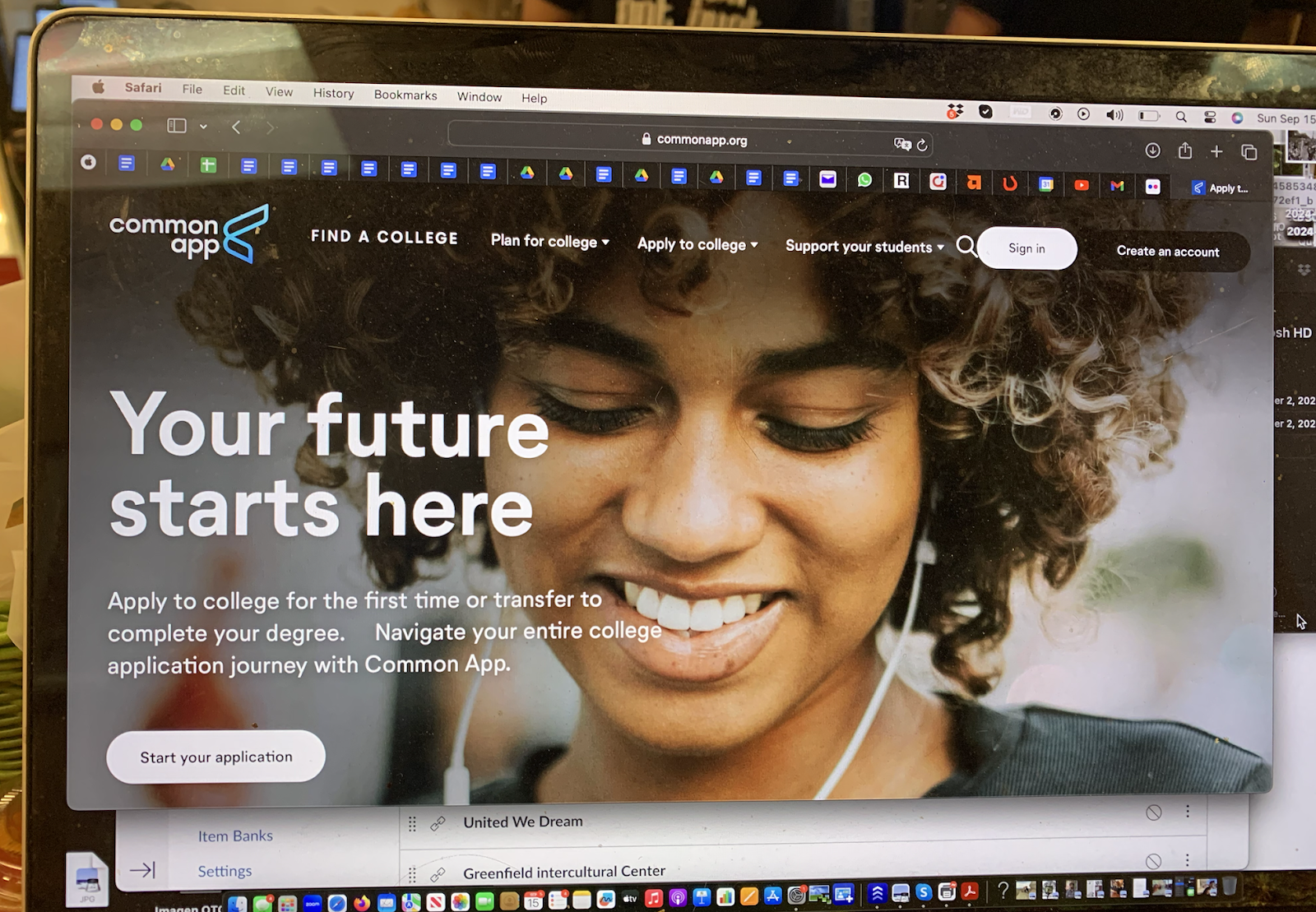
    The University Common Application 

    RevarteColectiva · September 25, 2024 · Leave a Comment

    Por Obed Arango

    Highly talented immigrant students with DACA or without DACA today face great difficulties in being able to advance in their studies after High School. They are young people with many talents and with a fighting spirit. I wrote this short story after seeing CCATE students fill out the common application with dreams in their eyes.


    Click here for English version

    Main Menu: Get started — Plan Ahead — Explore Colleges — How to Apply 

    Personal Statement (600 words)

    La salida

    Debo decirles que en realidad escribo mi ensayo personal en español, no se preocupen lo someteré en inglés, un primer reto de quien migra es el idioma. Llegué hace cuatro años y medio a este país. No daré detalles de mi recorrido, pero si dejarles saber que soy de Cadereyta, Queretaro. Cuando cumplí 13 años me llegó el mensaje de que un señor pasaría por mi hermana Marta y esta servidora muy temprano en la madrugada, y la encomienda de mi madre fue muy clara: “Elena pon cadenas en la reja de la entrada, candados a cada puerta y las llaves arrojarlas al río”. 

    Vulnerabilidad

    Justo cuando llegamos a Phoenix Arizona mi hermana y yo fuimos detenidas por la patrulla fronteriza cuando el coyote hablaba por teléfono a mi madre para que depositará los seis mil dólares para nuestro cruce. Mi hermana y yo fuimos llevadas a una casa para menores, ahí estuvimos un mes sin saber si nos permitirían llegar a Reading, Pennsylvania. Mi hermana y yo en esos momentos éramos las personas más vulnerables, pues estábamos a la suerte de Dios. Rogamos mucho a la virgen y lloramos mucho.

    La llegada

    Ell presidente Obama en el 2014 anunció que los menores detenidos en la frontera debían ser llevados a sus padres y que entrarían al programa conocido como DACA, (Deferred Action for Childhood Arrivals), pude ver a mi madre después de ocho años. En cuanto la vi lloré y no sé cuándo paré de llorar. Solo recuerdo que la abracé nuevamente y no quise soltarla ya más.

    La escuela 

    Las preparatorias de los Estados Unidos son muy distintas a las de México, las de acá son edificios fríos y en bloque, con pasillos que conectan todas las secciones. Mi maestro Edward de matemáticas dice que soy su mejor estudiante y hace unos días él me comentó que yo debía ir a la Universidad.  Mi amigo Roberto dice que lo que he logrado es porque los inmigrantes desarrollamos todo nuestro talento porque las circunstancias son adversas. Él quiere estudiar filosofía, le sienta bien. 

    La Universidad

    La Dra. Brecht es un ángel, es profesora de la Universidad de Pennsylvania y colabora mucho con la comunidad, ella invierte sus tardes con un grupo de chicas todas inmigrantes para avanzar en los retos que tenemos. El verano pasado ella me llevó al campus de UPenn y pude visitar las facultades. En cuanto entré a la escuela de leyes supe que deseaba ser abogada para hacer justicia para mi pueblo, mi sueño es ir a Penn Law. ¿Lo lograré? Sé que mucho depende de este ensayo. Aunque no todo, les explico…

    Trump

    Si en verdad ustedes piensan que soy buena candidata para ir a la Universidad requeriré de su apoyo, pues estudiantes en mi situación tenemos un gran talento pero falta de acceso a recursos financieros. El presidente Trump eliminó el programa DACA. Cuando DACA termine solo podré recibir las becas privadas que ustedes consigan para mí. Por mi parte, ustedes deben saber que dentro de mi hay un Río Bravo que define mi espíritu de emigrante que es el que me ha traído hasta aquí para tocar la puerta de esta bella Universidad a través de este breve ensayó de 600 palabras.

    Mi sueño

    Sueño con ser la primera en mi familia en ir a la Universidad y como mi amigo Roberto dice: “todo el conocimiento del mundo desde todos y para todos” eso deseo ser para mi familia y para mi comunidad.

    (Ahora a traducir este ensayo). 

    English Version:

    Main Menu: Get started — Plan Ahead — Explore Colleges — How to Apply 

    Personal Statement (600 words)

    The exit

    I must tell you that I originally wrote my personal statement in Spanish, but don’t worry, I will submit it in English; the first challenge for those who migrate is language. I arrived in this country four and a half years ago. I will give no details of my route, but I will let you know that I am from Cadereyta, Queretaro. When I turned 13, I received a message that a man would pick up my sister Marta and this humble servant very early in the morning— my mother’s order was very clear: “Elena put chains on the entrance gate, padlocks on each door, and throw the keys into the river.” 

    Vulnerability

    When my sister and I arrived in Phoenix Arizona, we were detained by the border patrol, just as the coyote was on the phone with my mother, asking for the six thousand dollar deposit for our crossing. Shortly after, my sister and I were taken to a children’s home, and we stayed there for a month without knowing if we would be allowed to get to Reading, Pennsylvania. In those moments, my sister and I were the most vulnerable, as we were at God’s mercy. All we could do was beg and pray to the Virgin and cry.

    The arrival

    In 2014, President Obama announced that minors detained at the border should be taken to their parents and entered into a program known as DACA (Deferred Action for Childhood Arrivals). Through this program, I was able to see my mother after eight long years. As soon as I saw her, I cried so much,  I don’t know when I stopped crying. I only remember that I hugged her and would never again let her go.

    The school 

    High schools in the United States are very different from those in Mexico; US schools are cold, blocky buildings with hallways that run through all the sections. My math teacher, Edward, says that I am his best student, and a few days ago, he told me that I should go to university.  My friend Roberto says that my achievements are in part because as immigrants, we develop remarkable talents due to our adverse circumstances. He wants to study philosophy; I think it suits him well. 

    University

    Dr. Brecht is an angel; she is a professor at the University of Pennsylvania and often collaborates with the community, investing her afternoons with a group of girls, all of whom are immigrants, to help us make progress in terms of the challenges we all face. Last summer, she took me to the UPenn campus, where I was able to visit different programs. As soon as I entered the law school, I knew that I wanted to be a lawyer and serve justice for my people. My dream is to go to Penn Law— will I achieve it? I know a lot depends on this essay. And although I won’t go into everything, I’ll elaborate…

    Trump

    If you really think that I am a good candidate to go to this University, I require your support, as students like me have great talent but lack of financial resources. President Trump eliminated the DACA program. When DACA ends, I will only be able to receive the private scholarships and aid that you get for me. With this in mind, you should know that within me, there is a Río Bravo that defines my emigrant spirit, a spirit that has brought me to knock on the door of this beautiful University through a short 600-word essay.

    My dream

    I dream of being the first in my family to go to university; as my friend Roberto says, “all knowledge of the world from everyone and for everyone,” that is what I want to be for my family and my community.

    (Now to translate this essay). 

    Libros y experiencias vs. Teléfonos y tabletas

    RevarteColectiva · April 15, 2024 · Leave a Comment

    por Obed Arango

    Click here for English version

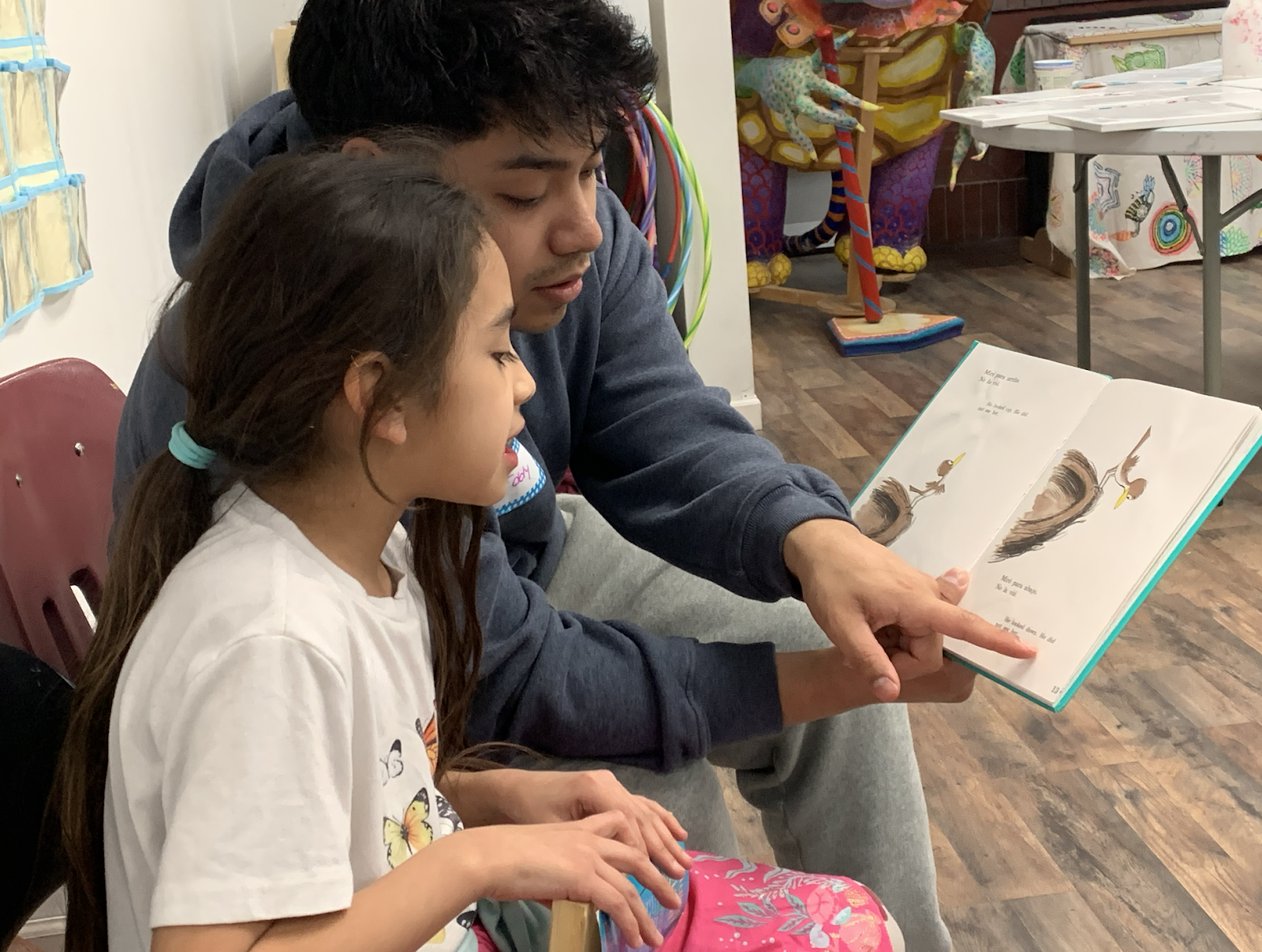
    Lectura diaria y vespertina de las 5:30 pm en CCATE

    Esta vez deseo escribir acerca de lo que pasa en nuestra propia casa en el Centro de Cultura, Arte, Trabajo y Educación (CCATE).

    Uno de los principios de CCATE es reconocer los conocimientos y talentos que tenemos en la comunidad, de esta manera son los niños, adolescentes, jóvenes, y adultos quienes imparten los talleres y clases formativas. La importancia de estos talleres es exponer a los niños a diversos conocimientos desde temprana edad. Así en CCATE cada día después de hacer tarea, y de jugar afuera un rato, todo se detiene y todos tomamos un libro. Más tarde vamos a nuestros talleres que pueden variar desde las nuevas tecnologías hasta el conocimiento análogo, desde el arte, la jardinería hasta la cocina, música digital, violín y guitarra.  

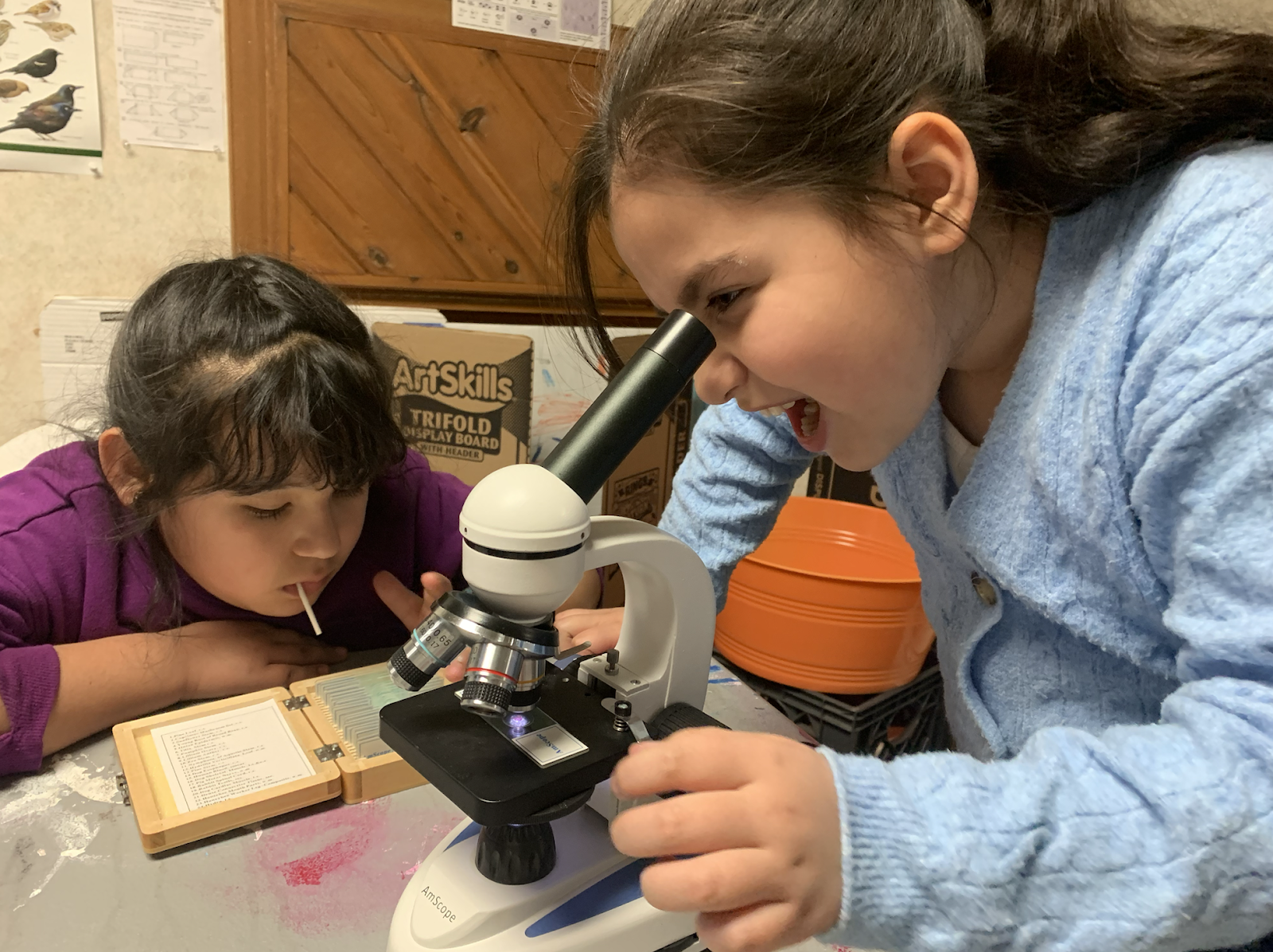
    Taller de ciencias con la Dra. Rosalba Esquivel Cote, 2024

    Ya no es sorpresa para nosotros escuchar a niñas de 10 años proponer clases que desean enseñar y explorar, y es nuestra labor como adultos darles las herramientas para que su curiosidad por aprender se vea saciada, clases como “slime”, ciencias, leer y jugar, son clases que ellas han propuesto y en la que en compañía de dos adultos imparten. Así rompemos con los sistemas que fragmentan el conocimiento. Los estudiantes de CCATE navegan de manera natural en la interdisciplinariedad sin que escuchen que eso “no se puede hacer porque no cumple con las pruebas de PISA, de Pennsylvania o de ENLACE”.

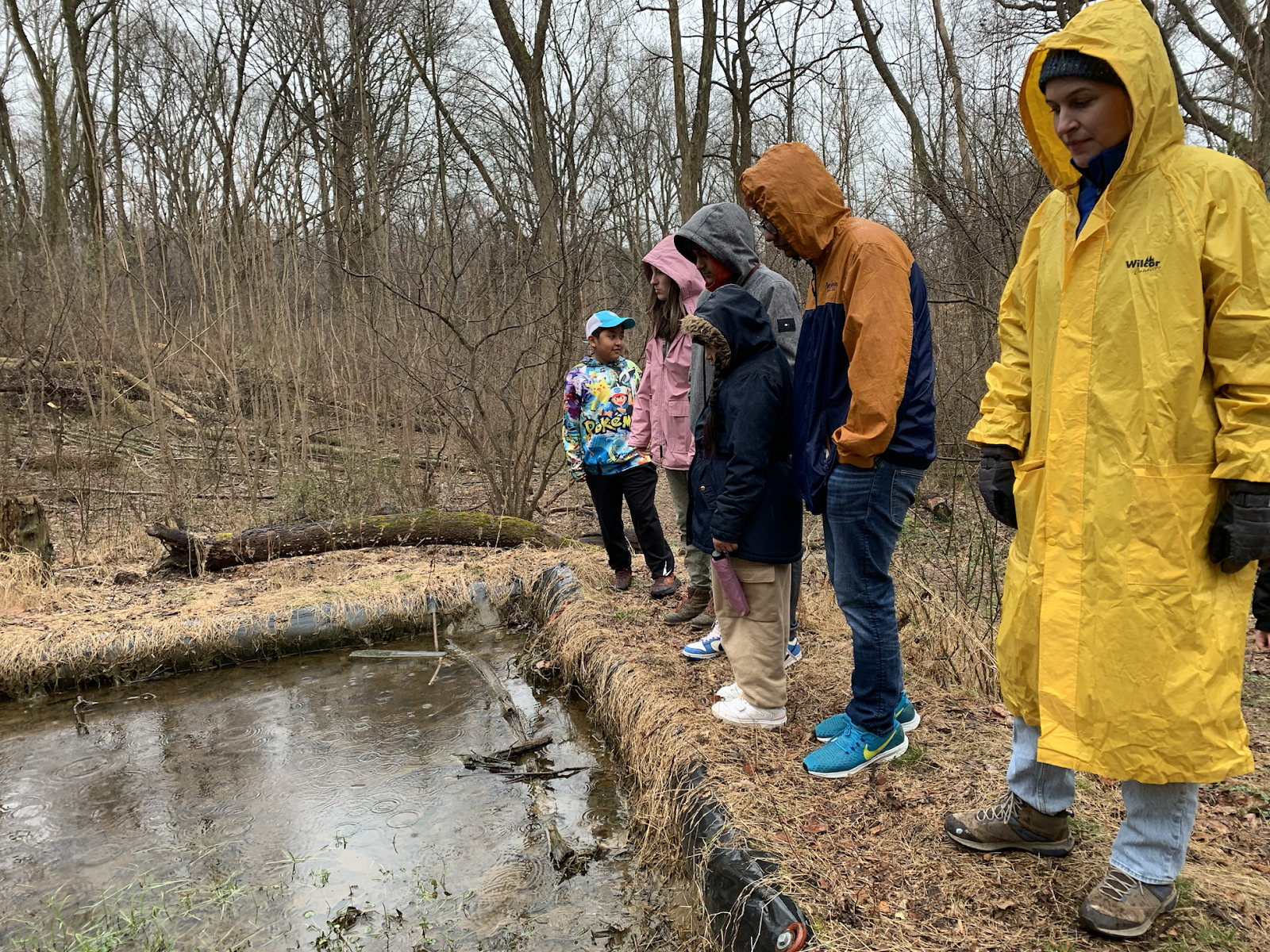
    La clase de fotografía visitando el Schuylkill River Center, 2024

    Por otro lado, con tristeza vemos cómo los niños son expuestos al teléfono celular y a las tabletas desde que nacen y sin control alguno. Quizá desconocemos el daño que les estamos haciendo. De acuerdo con especialistas en adicciones comentan que el uso de pantallas libera dopamina en el cerebro, lo que puede afectar negativamente el control de los impulsos. El periódico inglés Independent en su artículo: “Dar  a su niño un celular, es como darles un gramo de cocaína” (Giving your child a smartphone is like giving them a gram of cocaine, june 2017) comenta el trabajo de la Dra. Mandy Saligari quien es experta en adicciones y es fundadora del “Charter Harley Street” un centro de rehabilitación que se ubica en Londrés, Inglaterra, comenta que la adicción  que los niños y adolescentes muestran a los  teléfonos celulares y tabletas es similar a la adicción al alcohol y a las drogas con efectos similares en la persona, y el comportamiento. No sería descabellado pensar que esto puede orientar a los niños y adolescentes a las adicciones más adelante por la necesidad de un estimulo. Aunque esto último aun no se puede comprobar. 

    Por otro lado, la Dra. Saligari en varias de su pláticas añade que se opone totalmente a que se les dé a los niños y adolescentes aparatos electrónicos en los cuales tienen acceso a contenidos que no están listos para procesar y entender, y añade que el tiempo frente a una pantalla afecta la corteza frontal del cerebro, y que puede equivaler a dar un gramo de cocaína a un niño. De aquí surge la pregunta ¿Cuántos de nosotros estaríamos dispuestos a dar un gramo de cocaína a nuestros hijos cada día? Suena como una locura esto, pero desgraciadamente es lo que sucede cuando se dan aparatos electrónicos a temprana edad. Las conclusiones de la Dra. Saligari son duras y dolorosas porque es común hoy en dia ver niños de dos años manejando tabletas, en vez de explorar su entorno, es común ver adolescentes sumergidos y encorvados con dos manos en el teléfono perdidos en las redes sociales y sintiendo ansiedad por la manera en cómo se relacionan con el mundo, en vez de gozar jugar y convivir sanamente con sus pares haciendo actividades juntos. El costo mayor es que los aparatos electrónicos están robando la vida a nuestros hijos, y les está robando la posibilidad de experimentar el mundo real.

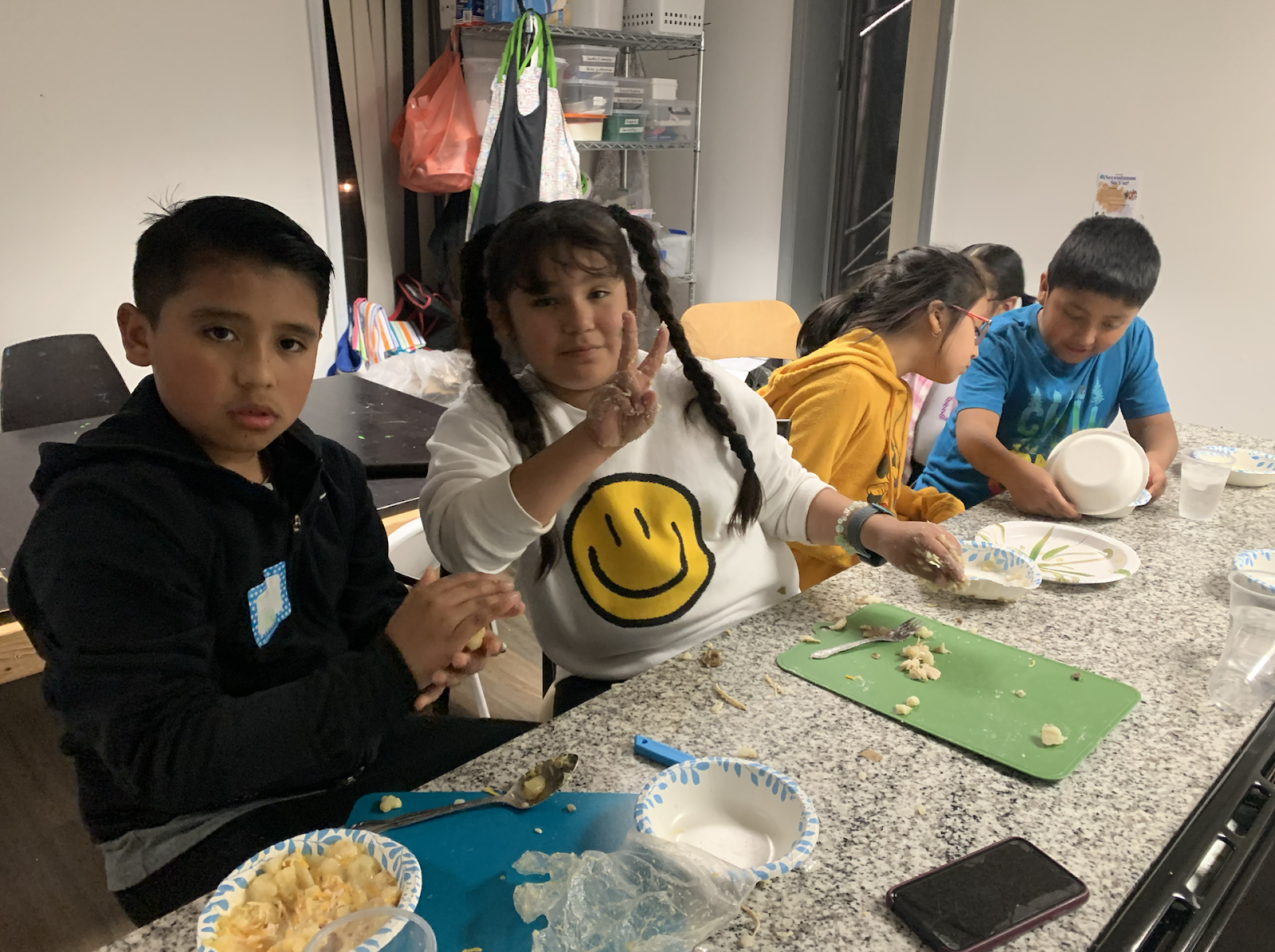
    Clase de cocina saludable, 2024

    En CCATE no proponemos que los niños no conozcan la tecnología, o la usen, sino que se acerquen a ella de manera sana, con límites y que tengan acceso a contenidos propios para la edad de ellos. Pero más importante en CCATE les damos oportunidades para que se acerquen al mundo a través de la convivencia, la experimentación, la exploración del conocimiento, la naturaleza, la lectura, el juego, el arte, el papel, los colores, el lápiz, la cámara análoga, el cine, y la convivencia diaria con sus amigos y amigas. 

    También está en los padres y en las madres la oportunidad buscar soluciones ante esta marea de tecnología, que indica pasar tiempo con nuestros hijos, jugar, salir a caminar, escucharlos, conocerlos, hacer arte con ellos, y ayudarles a saciar su conocimiento explorando el mundo que les rodea, y aprender a vivir libres de adicciones para que puedan orientar su vida ejerciendo todas sus capacidades. 

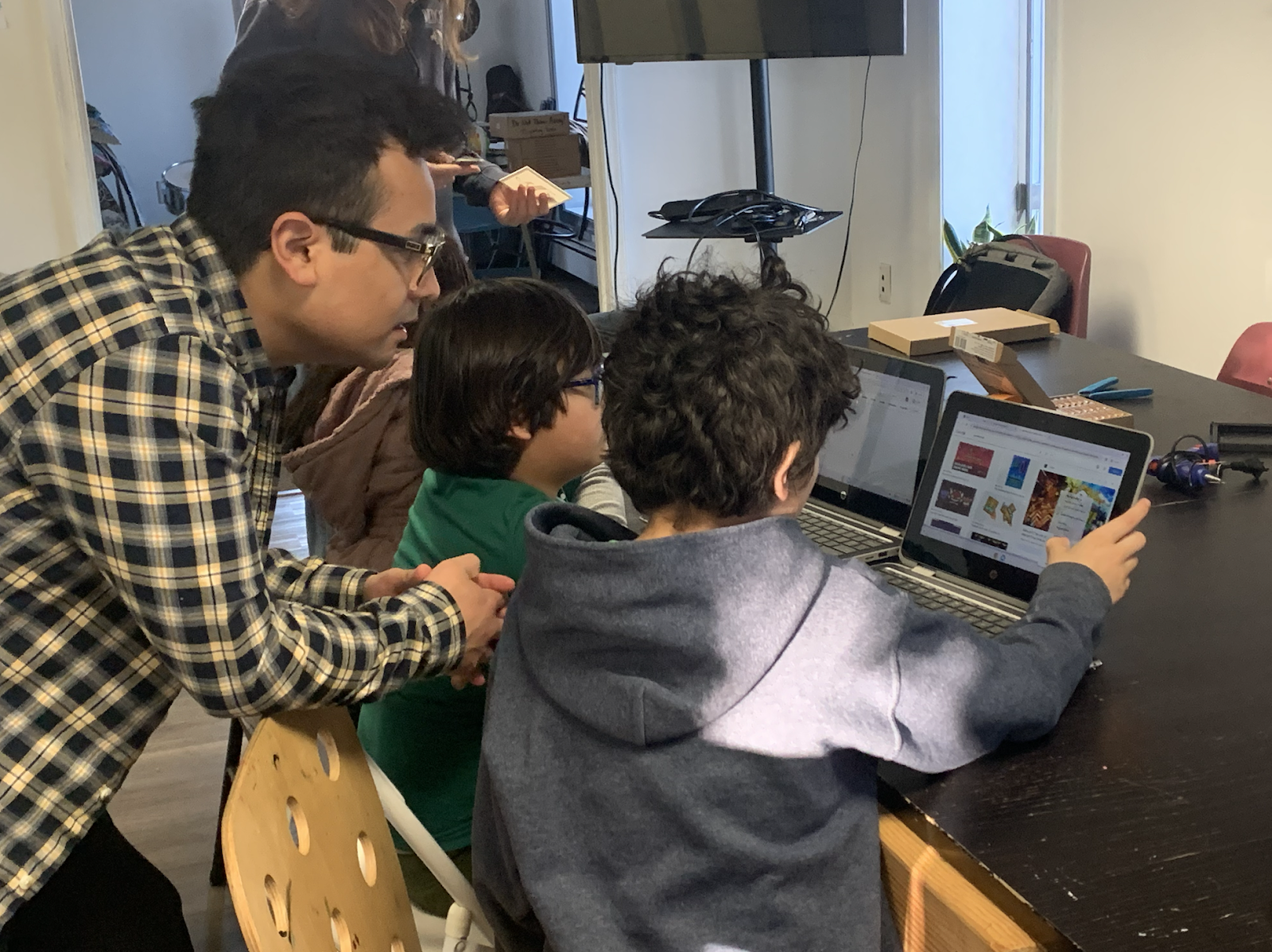
    Clase de 3D design with Ing. Carlos Gonzalez, 2024


    English Version:

    Books and experiences vs. Phones and tablets

    This time I want to write about what happens in our own home at the Center for Culture, Art, Work and Education (CCATE).

    One of the principles of CCATE is to recognize the knowledge and talents that we have in the community, in this way it is the children, adolescents, young people, and adults who teach the workshops and formative classes. The importance of these workshops is to expose children to various knowledge from an early age. So at CCATE every day after doing homework, and playing outside for a while, everything stops and we all grab a book. Later we go to our workshops which can vary from new technologies to analogue knowledge, from art, gardening to cooking, digital music, violin and guitar.

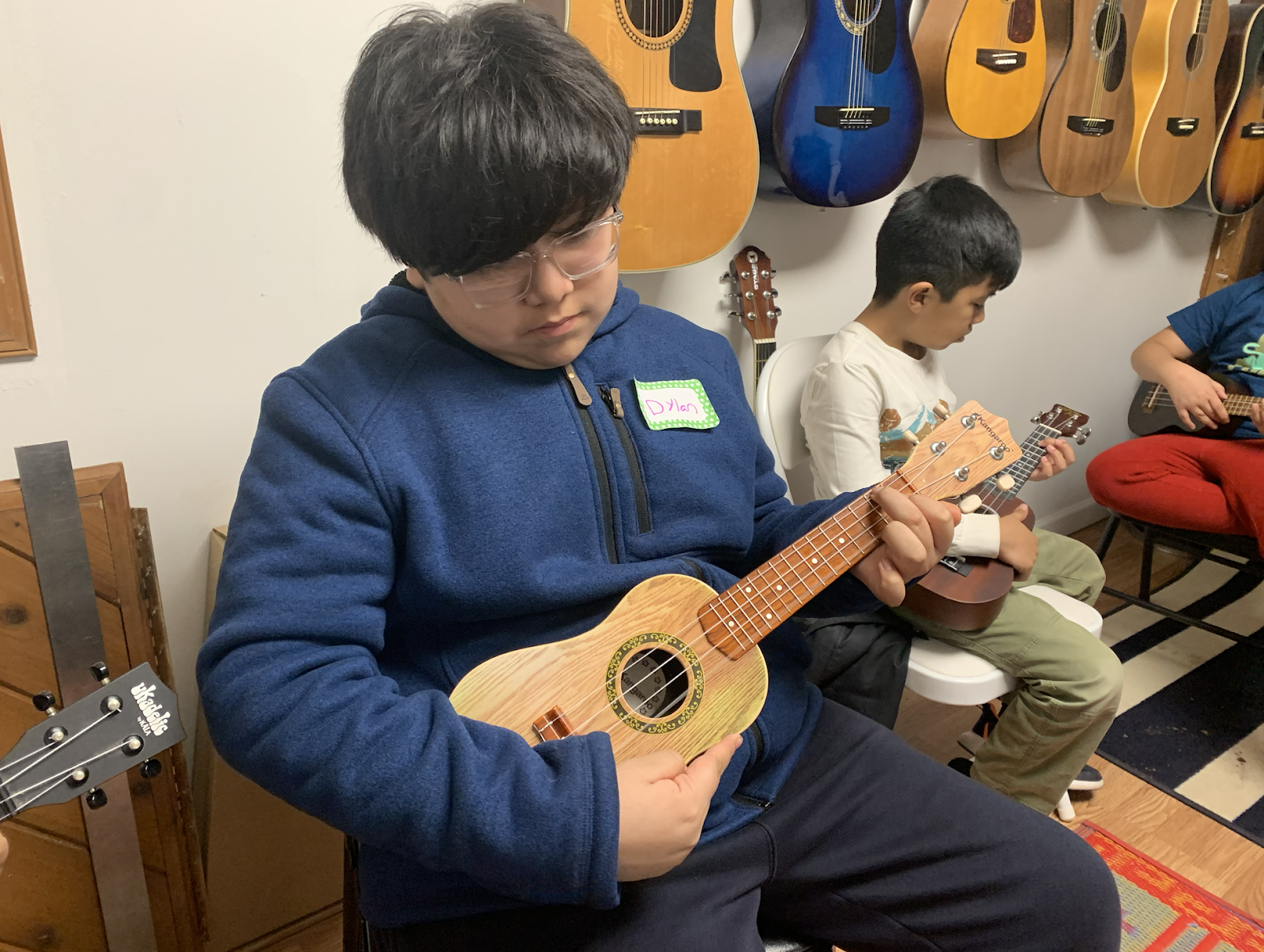
    Guitar and ukulele class, 2024

    It is no longer a surprise for us to hear 10-year-old girls propose classes that they want to teach and explore, and it is our job as adults to give them the tools so that their curiosity to learn is satisfied, classes like “slime”, science, reading and playing are classes that they have proposed and in which they teach in the company of two adults. This is how we break with the systems that fragment knowledge. CCATE students naturally navigate interdisciplinarity without hearing that “it cannot be done because it does not comply with the PISA, Pennsylvania or ENLACE tests.”

    On the other hand, with sadness we see how children are exposed to cell phones and tablets from birth and without any control. Perhaps we are unaware of the damage we are doing to them. According to addiction specialists, they comment that the use of screens releases dopamine in the brain, which can negatively affect impulse control. The English newspaper Independent in its article: “Giving your child a smartphone is like giving them a gram of cocaine, June 2017) comments on the work of Dr. Mandy Saligari, who is an addiction expert and founder of “Charter Harley Street,” a rehabilitation center located in London, England, comments that the addiction that children and adolescents show to cell phones and tablets is similar to the addiction to alcohol and drugs with similar effects on the person, and behavior. It would not be unreasonable to think that this can lead children and adolescents to addictions later on due to the need for a stimulus. Although the latter cannot yet be verified.

    Dr. Saligari in several of her talks adds that she is totally opposed to giving children and adolescents electronic devices in which they have access to content that they are not ready to process and understand, and adds that the time spent in front of a screen affects the frontal cortex of the brain, and that can be equivalent to giving a gram of cocaine to a child. From here the question arises: How many of us would be willing to give a gram of cocaine to our children every day? This sounds crazy, but unfortunately this is what happens when electronic devices are given at an early age. Dr. Saligari’s conclusions are hard and painful because it is common today to see two-year-old children handling tablets, instead of exploring their environment, it is common to see teenagers immersed and hunched over with two hands on the phone lost in social networks. and feeling anxiety about the way they relate to the world, instead of enjoying playing and living healthily with their peers doing activities together. The biggest cost is that electronic devices are robbing our children of their lives, and robbing them of the ability to experience the real world.

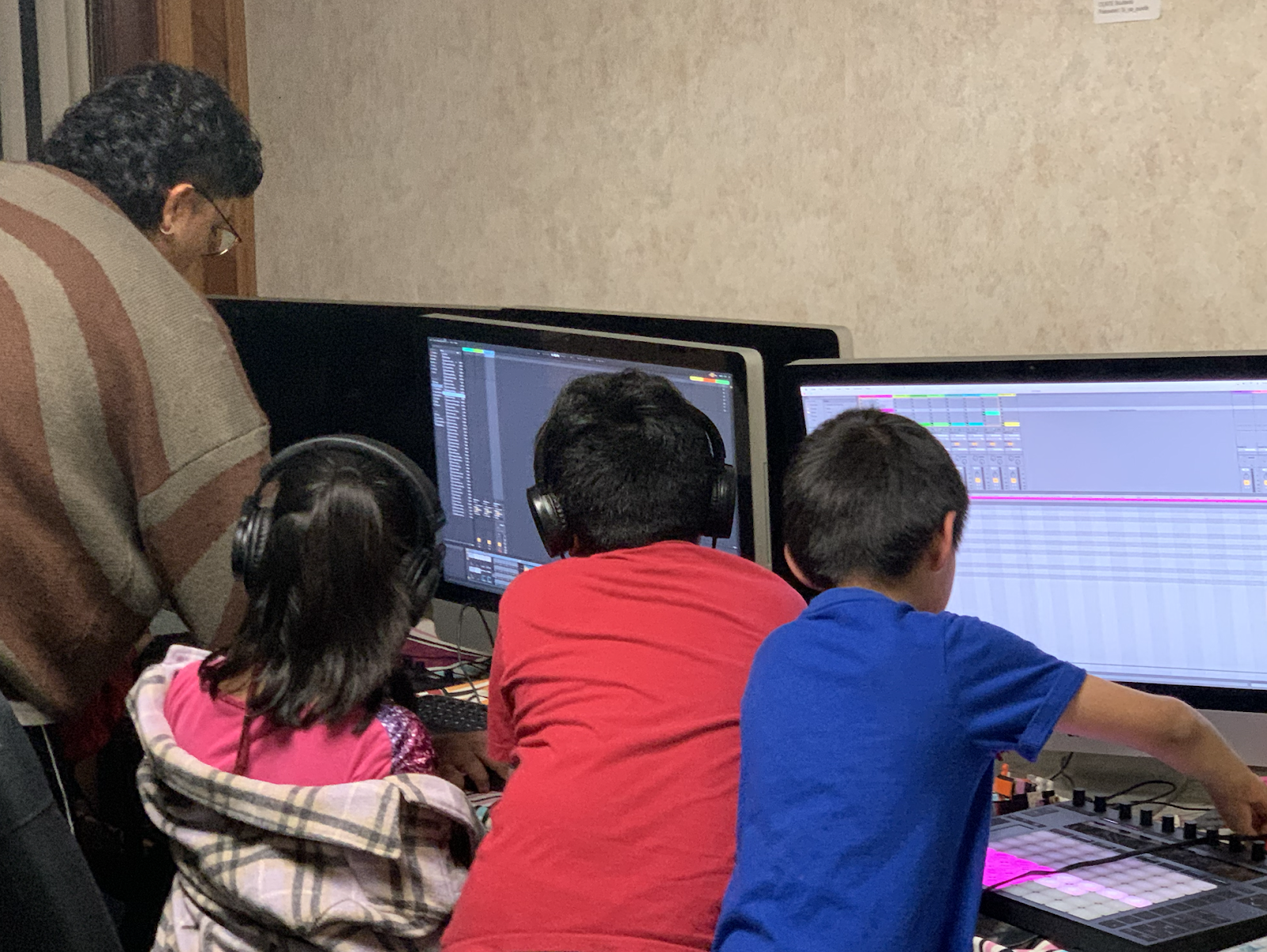
    Electronic music class with teachers Andy and Pablo, 2024

    At CCATE we do not propose that children do not know technology, or use it, but that they approach it in a healthy way, with limits and that they have access to content appropriate for their age. But more importantly, at CCATE we give them opportunities to get closer to the world through coexistence, experimentation, exploration of knowledge, nature, reading, play, art, paper, colors, pencil, analog camera, cinema, and daily life with his friends.

    It is also the opportunity for fathers and mothers to seek solutions to this tide of technology, which means spending time with our children, playing, going for a walk, listening to them, getting to know them, making art with them, and helping them satisfy their knowledge by exploring the world. world around them, and learn to live free of addictions so that they can guide their lives exercising all their abilities.

    Obed Arango Hisijara

    Obed es mexicano, ciudadano de la América Latina, artista visual y antropólogo. Director de CCATE y profesor de University of Pennsylvania.

    Obed is Mexican, citizen of Latin America, visual artist and anthropologist. Director of CCATE and professor at the University of Pennsylvania.

      Recomendación literaria del editor

      RevarteColectiva · April 15, 2024 · Leave a Comment

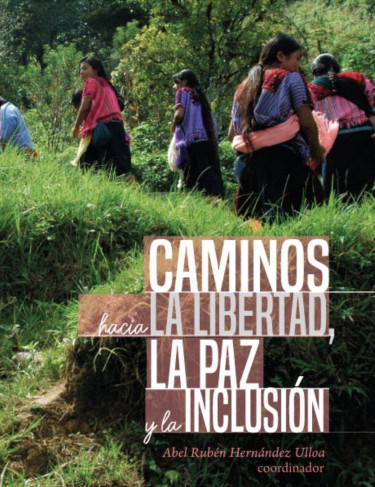
      “Caminos hacia la libertad, la paz y la inclusión” 

      Click here for English version

      “La colección de textos en este libro es un testamento poderoso y conmovedor sobre la complejidad de nuestras realidades, y de las realidades que nos rodean. Su diversidad de autores y sus trasfondos, y su enfoque en la ciudadanía y la justicia global, en la educación inclusiva y la educación de paz, en la voz y liderazgo de la cgomunidad, en los derechos y la liberación de comunidades indígenas son aplicaciones claras de nuestra complejidad como raza humana”. Dr. Daniel Pascoe, 2021.

      “Caminos hacia la Libertad, la paz y la inclusión” coordinado por el Dr. Abel Hernández Ulloa, profesor de educación en la Universidad de Guanajuato, es un libro clave para entender varios de los retos actuales que enfrenta el mundo, al menos esta parte del hemisferio,  en el área educativa y en los que las universidades, y los sistemas educativos han caído en la trampa de la globalización y el neoliberalismo y han creado así modelos tecnocráticos, orientados a resultados y estándares que sirven para el mismo modelo globalizante, pero que resultan deshumanizantes para los habitantes. 

      El libro conjunta una diversidad de autores de diversas latitudes y contextos, y presenta una diversidad de análisis y perspectivas, y quizá lo más importante es que muestra ejemplos claros de esfuerzos educativos, “humanizadores y dialógicos”, para ponerlo en palabras del educador brasileño Paulo Freire (1996) quien es un referente transversal capítulo a capítulo. 

      El libro resalta la diversidad de grupos que han crecido al margen de los sistemas educativos y que sufren opresión, no como un concepto abstracto, sino que de manera concreta viven y sufren a sistemas de explotación global en sus comunidades, que ha resultado en sobre explotación de sus territorios, transformación de sus tierras en zonas turísticas o de gozo de las clases privilegiadas, y el campesino se convierte en guía de turistas, o el pescador en vendedor de golosinas, el obrero tiene que aceptar condiciones indignas para no sufrir  desempleo, y en las montañas la minería ha creado un círculo de pobreza y de condiciones insalubres para millones de trabajadores que al caer en una dependencia corporativa tienen que encontrar otras latitudes.  En este círculo de opresión también se sufre con los años el deterioro del medio ambiente irreversible, y la falta de modelos de desarrollo sustentable acaban con espacios antes hermosos en los cuales las poblaciones habían encontrado un equilibrio, hoy esas poblaciones se ven forzados a cruzar fronteras y arriesgar sus vidas por un mejor futuro, porque el presente es insostenible. 

      Ante estas circunstancias ¿Cuáles caminos existen para una verdadera libertad, una verdadera paz y una inclusión plena en los sistemas sociales y en el mundo? Parece una utopía, un título difícil de sostenerse en la realidad. Sin embargo, el libro aterriza con ejemplos locales que ejercen esa “utopía”, en modelos concretos de acción y reflexión, y que rompen con los modelos tradicionales de servicios sociales clientelares, el libro afirma la agencia social de las poblaciones a partir de la humanización de los modelos educativos que integran de manera interdisciplinaria las historias, y los saberes para así marcar retos epistemológicos inevitables. Si bien la globalización es un fenómeno irreversible y sus consecuencias se sienten en muchos campos de la vida humana, este libro nos recuerda que de igual manera  existen reflexiones y movimientos educativos de impacto comunitario de los cuales se pueden generar  diversos caminos para la libertad, la paz y la inclusión.


      English Version:

      Editor’s Literary Recommendation:

      Paths to Freedom, Peace and Inclusion

      “The collection of texts in this book is a powerful and moving testament to the complexity of our realities, and the realities that surround us. Its diversity of authors and their backgrounds, and its focus on citizenship and global justice, inclusive education and peace education, on community voice and leadership, on the rights and liberation of indigenous communities are clear applications of our complexity as a human race.” Dr. Daniel Pascoe, 2021.

      “Paths to Freedom, Peace and Inclusion” coordinated by Dr. Abel Hernández Ulloa, professor of education at the University of Guanajuato, is a key book to understand several of the current challenges facing the world, at least this part of the hemisphere, in the educational area and in which universities and educational systems have fallen into the trap of globalization and neoliberalism and have thus created technocratic models, oriented to results and standards that serve the same globalizing model, but that are dehumanizing for the inhabitants.

      The book brings together a diversity of authors from different latitudes and contexts and presents a diversity of analyses and perspectives, and perhaps most importantly, it shows clear examples of educational efforts, “humanizing and dialogic,” to put it in the words of the Brazilian educator Paulo Freire (1996) who is a transversal reference chapter by chapter.

      The book highlights the diversity of groups that have grown up outside of educational systems and that suffer oppression, not as an abstract concept, but rather that in a concrete way they live and suffer from systems of global exploitation in their communities, which has resulted in overexploitation. of their territories, the transformation of their lands into tourist areas or areas of enjoyment for the privileged classes, and the farmer becomes a tourist guide, or the fisherman a candy seller, the worker has to accept unworthy conditions in order not to suffer unemployment, and In the mountains, mining has created a circle of poverty and unhealthy conditions for millions of workers who, upon falling into corporate dependency, have to find other latitudes. In this circle of oppression, the irreversible deterioration of the environment is also suffered over the years, and the lack of sustainable development models ends with previously beautiful spaces in which populations had found a balance, today these populations are forced to cross borders. and risk their lives for a better future, because the present is unsustainable.

      Given these circumstances, what paths exist for true freedom, true peace, and full inclusion in social systems and in the world? It seems like a utopia, a title that is difficult to sustain in reality. However, the book lands with local examples that exercise this “utopia”, in concrete models of action and reflection, and that break with the traditional models of clientelist social services, the book affirms the social agency of populations based on humanization. of educational models that integrate stories and knowledge in an interdisciplinary manner to mark inevitable epistemological challenges. Although globalization is an irreversible phenomenon and its consequences are felt in many fields of human life, this book reminds us that there are also reflections and educational movements with community impact from which various paths can be generated for freedom, peace, and inclusion.

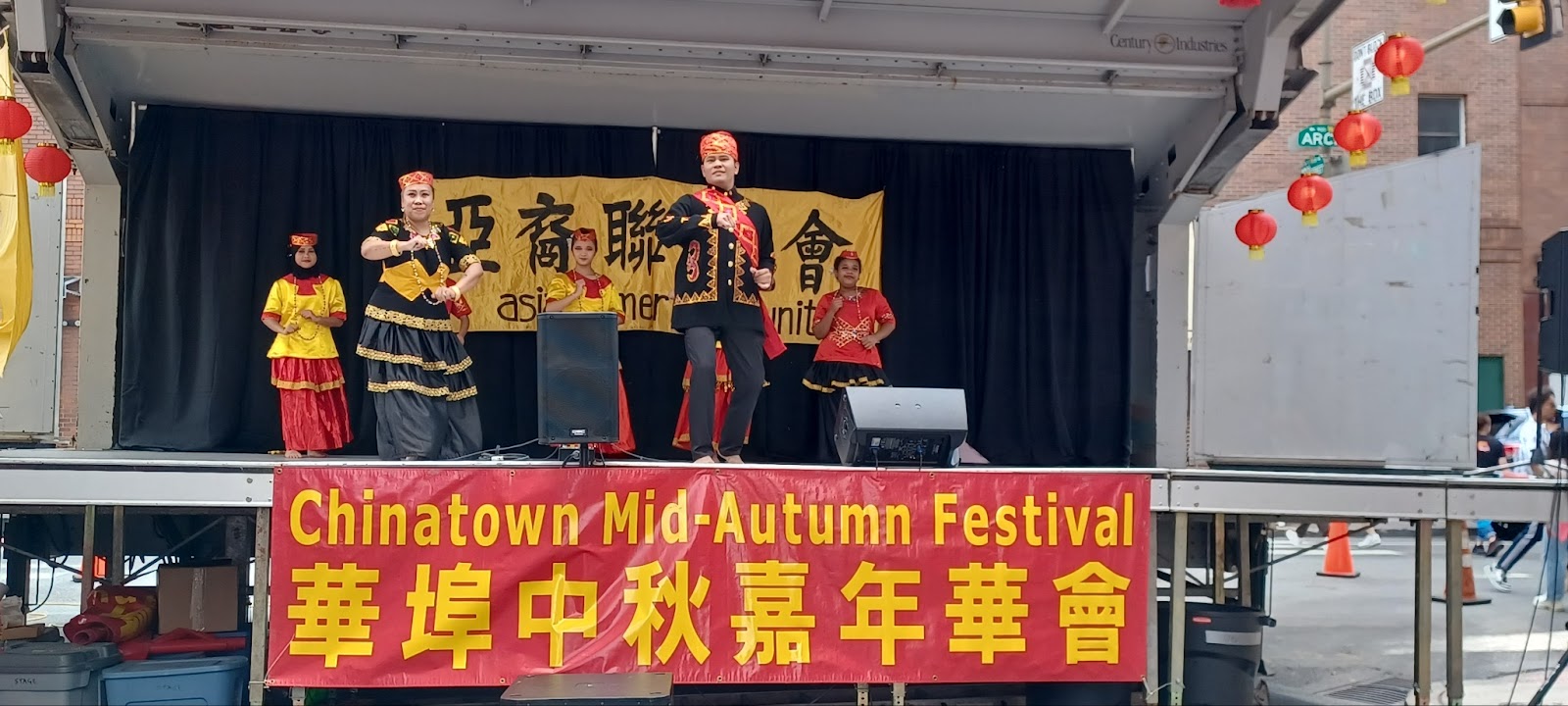
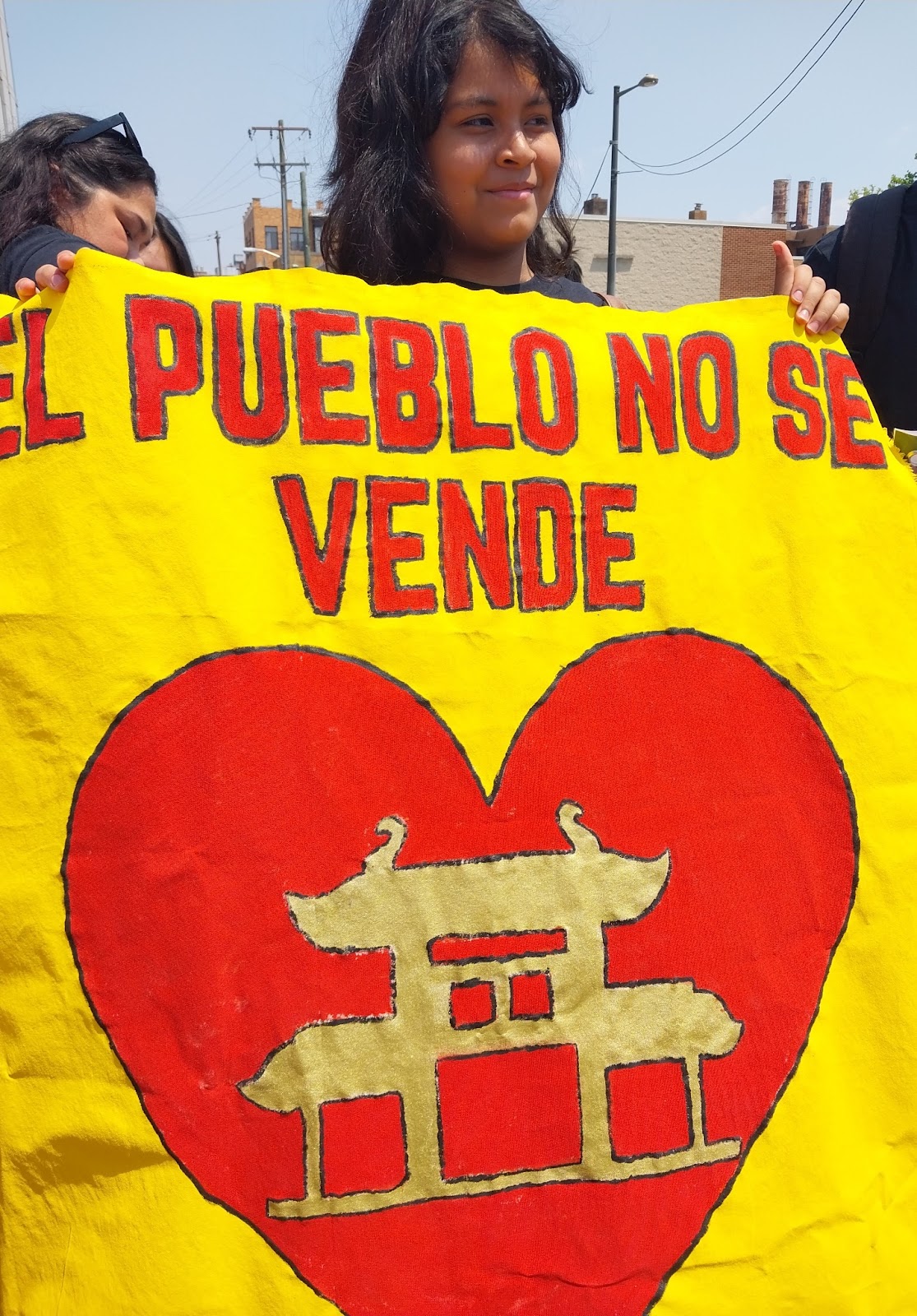
      La diversidad en acción para oponerse a la edificación del estadio 76ers

      RevarteColectiva · April 15, 2024 · Leave a Comment

      por Leticia Roa Nixon

      Click here for English version

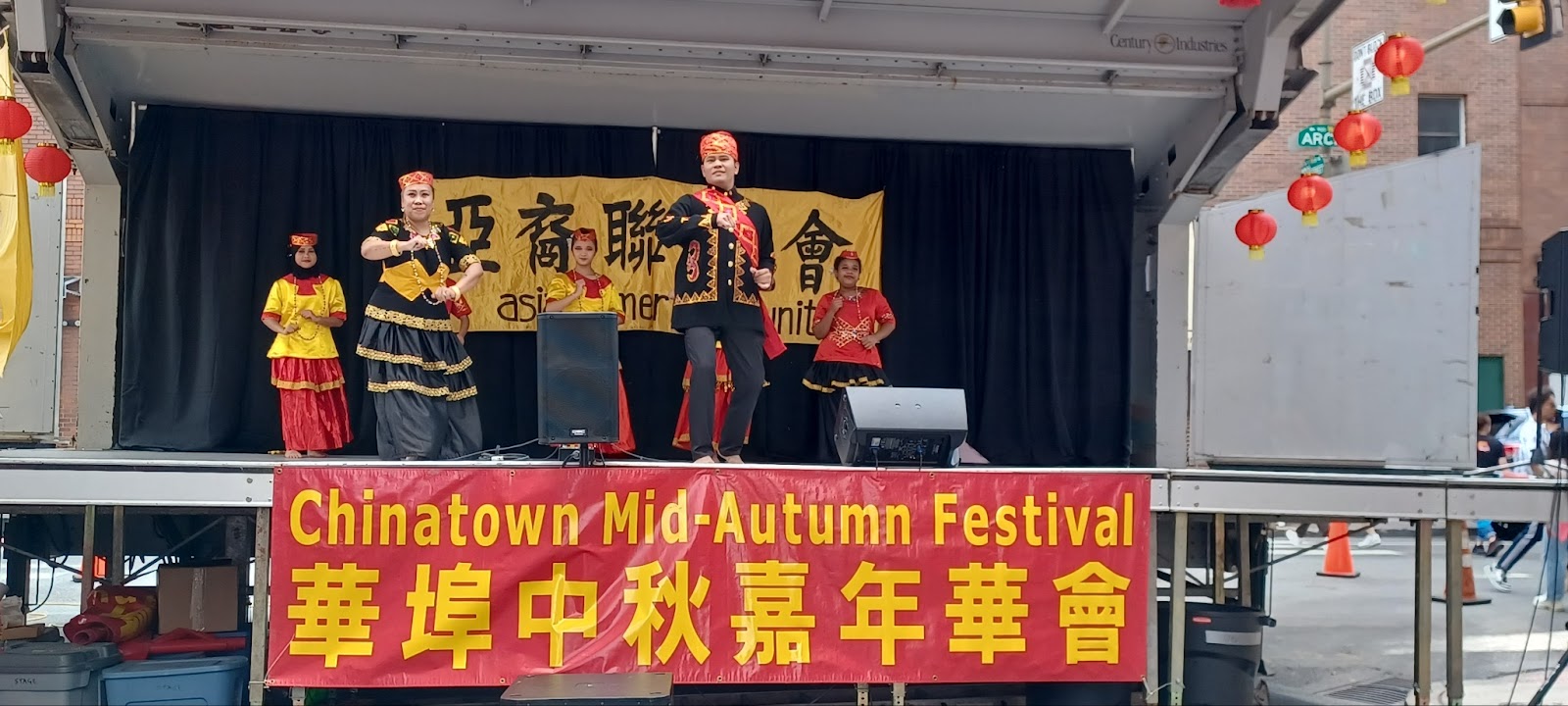
      Los barrios chinos en los Estados Unidos y Canadá ha sido reducidos drásticamente por proyectos urbanos desde hace mucho tiempo. La gentrificación y el desarrollo urbano  en Washington, San Luis y en otras ciudades son prueba de la reducción de estas comunidades.

      Este año, el concejo municipal de Filadelfia tendrá que decidir si aprueba la edificación del estadio del  equipo de baloncesto local, los 76ers en la calle Market esquina con la 11, a una cuadra del barrio chino. Este plan fue propuesto en el verano de 2022 con optimismo por parte de la corporación 76 Devcorp afirmando que será una inversión de 1.3 billlones de dólares. De aprobarse este proyecto, la inauguración planeada del estadio sería en 2031. Los Sixers son inquilinos del Centro Wells Fargo, una instalación que comparten con Flyers ,el equipo de  hockey sobre hielo local, “Flyers”.

      Sus argumentos principales para mudarse al centro de la ciudad son porque quieren tener su propio horario de uso del lugar y porque necesitan un estadio de vanguardia para que el equipo sea competitivo en la Asociación Nacional de Beisbol.

      El atractivo que enfatizan es la generación de empleos, ingresos fiscales y la revitalización de esas cuadras que están ocupadas actualmente por el centro comercial Fashion District.

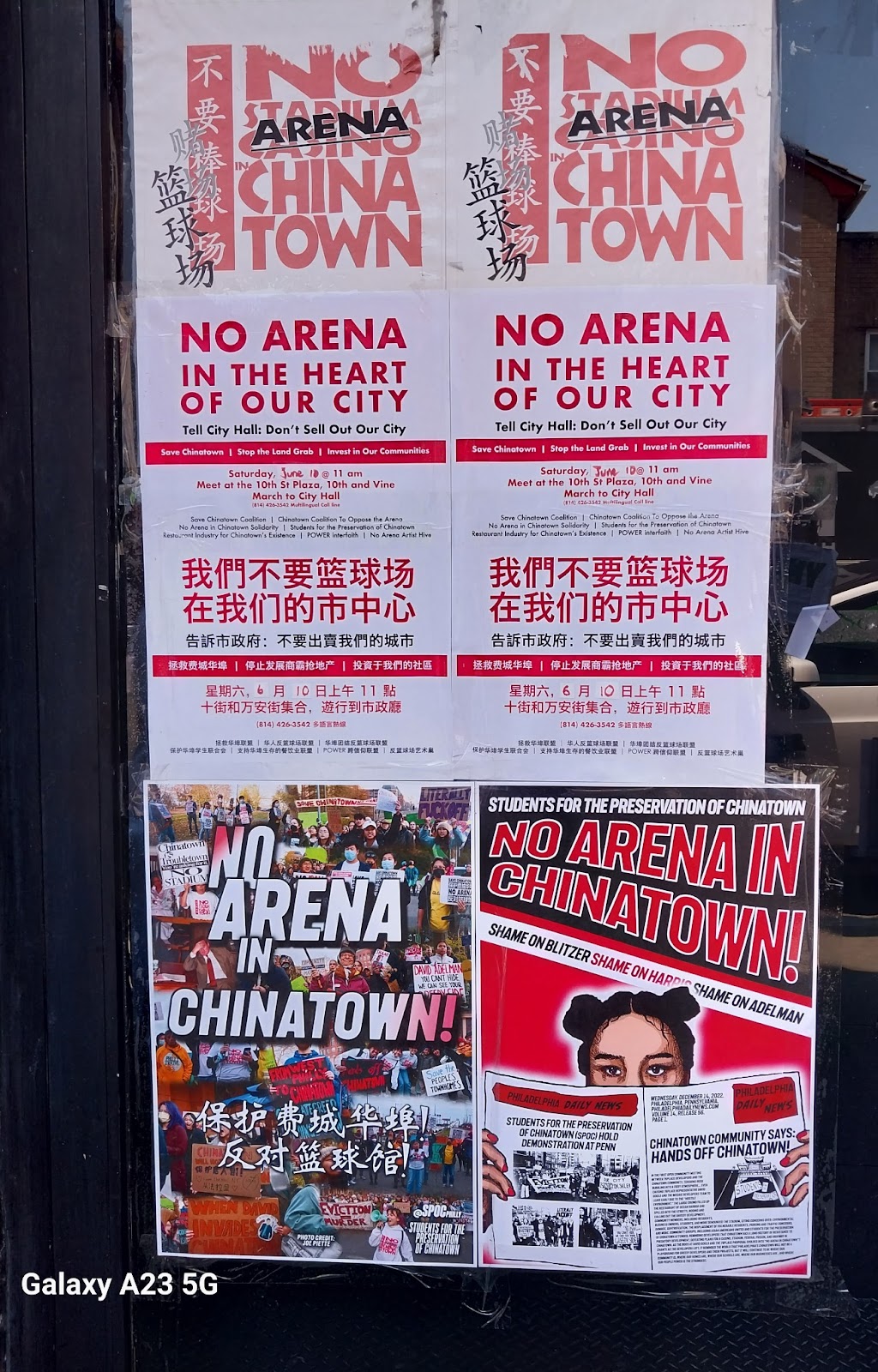
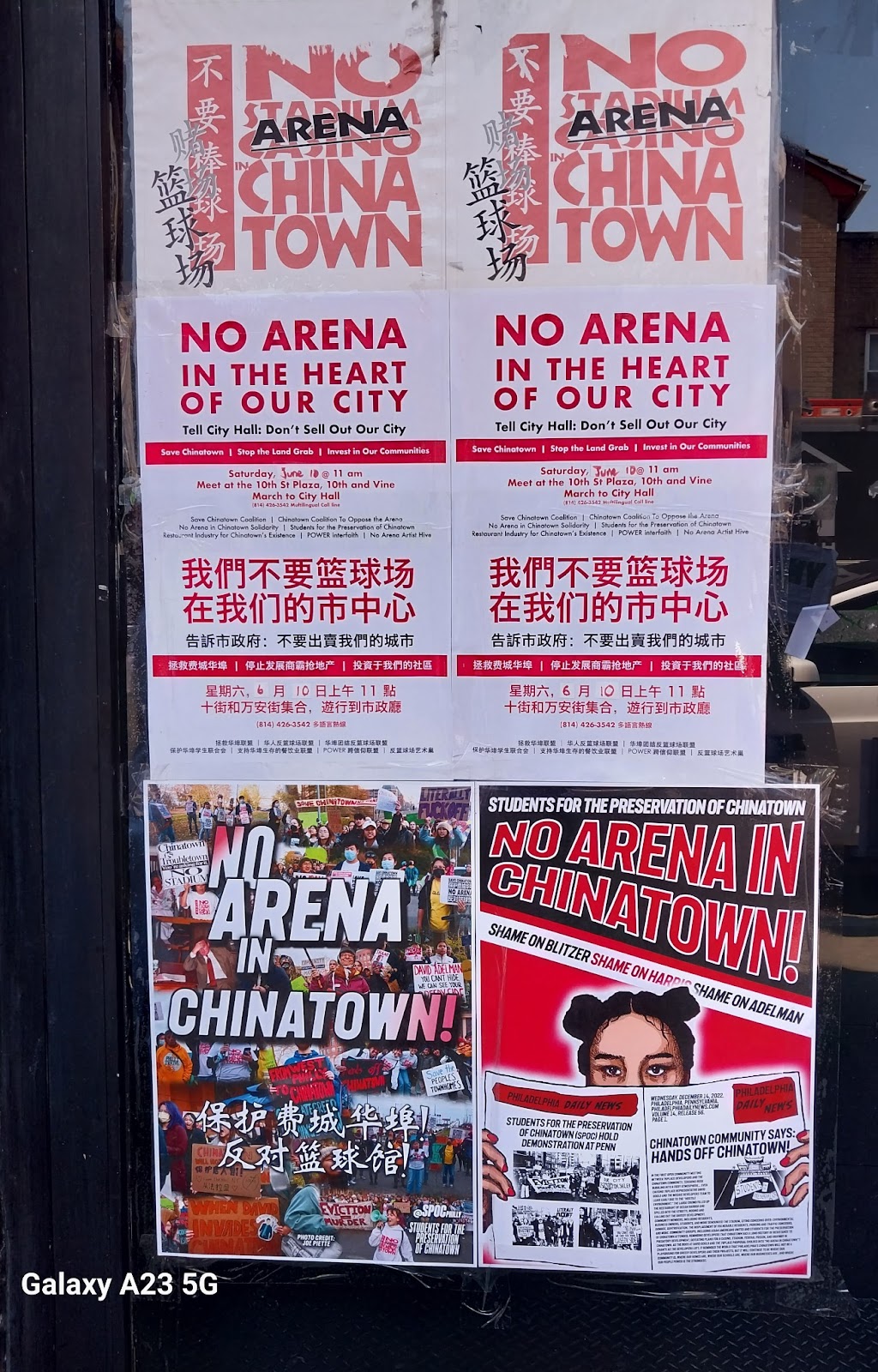
      Sin embargo, los residentes  y comerciantes del barrio chino se oponen de manera abrumadora al estadio, pues podría destruir el vecindario de 150 años de existencia, por el congestionamiento vial, las prediales más elevadas y el aumento de las rentas. La líder del primer precinto, Kathleen Melville ha dicho que la ciudad no necesita un estadio que estaría vacío la mayoría de los días de año cuando hay cantidad de proyectos que necesitan llevarse a cabo en Filadelfia, como son la construcción de vivienda asequible y nuevas escuelas.

      Por su parte, la comunidad afectada anunció el 9 de enero de 2023  la formación de la “Coalición del Barrio Chino que se Opone al Estadio” integrada por más de 40 grupos comunitarios de esa zona histórica, así como de organizaciones comerciales y otras sin fines de lucro. La Corporación de Desarrollo del Barrio Chino de Filadlfia se opuso formalmente a ese proyecto en marzo de 2023.

      Los estadios han tenido un efecto de gentrificación en las comunidades de color de bajos eingresos en el país como son Los Ángeles, Seattle, la ciudad de Nueva York y Atlanta. El Estadio Capital One en Washington, DC contribuyó al colapso del barrio chino. “No permitiremos que el barrio chino de Filadelifa sea una más de esas historias trágicas”, afirmó la corporación, la cual realizaó una encuesta a más de 230 personasl. Los resultados indicaronn que el 93% de los comerciantes, el 94% de los residentes y el 95% de los visitantes se oponen al estadio de los “Sixers”.

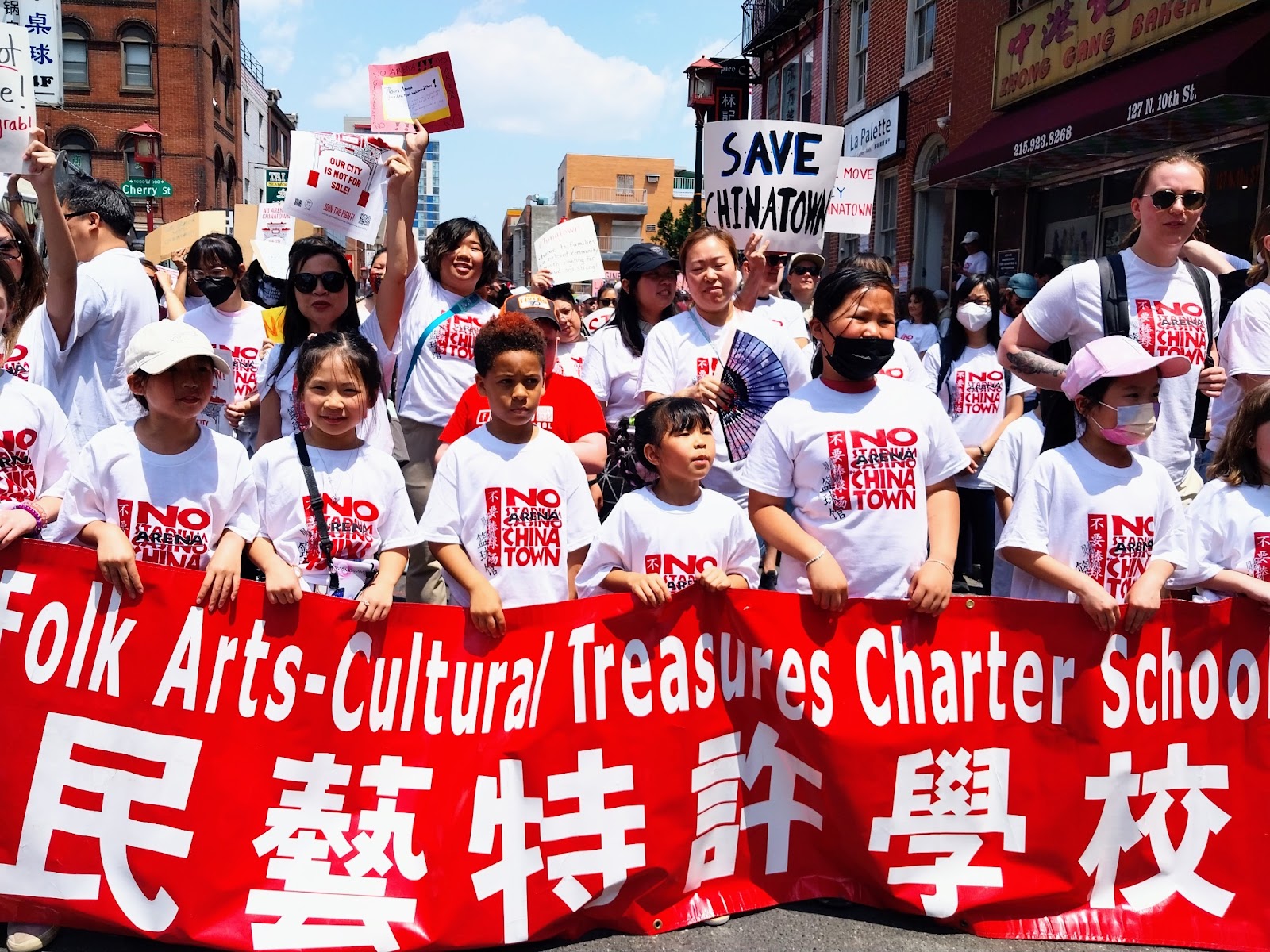
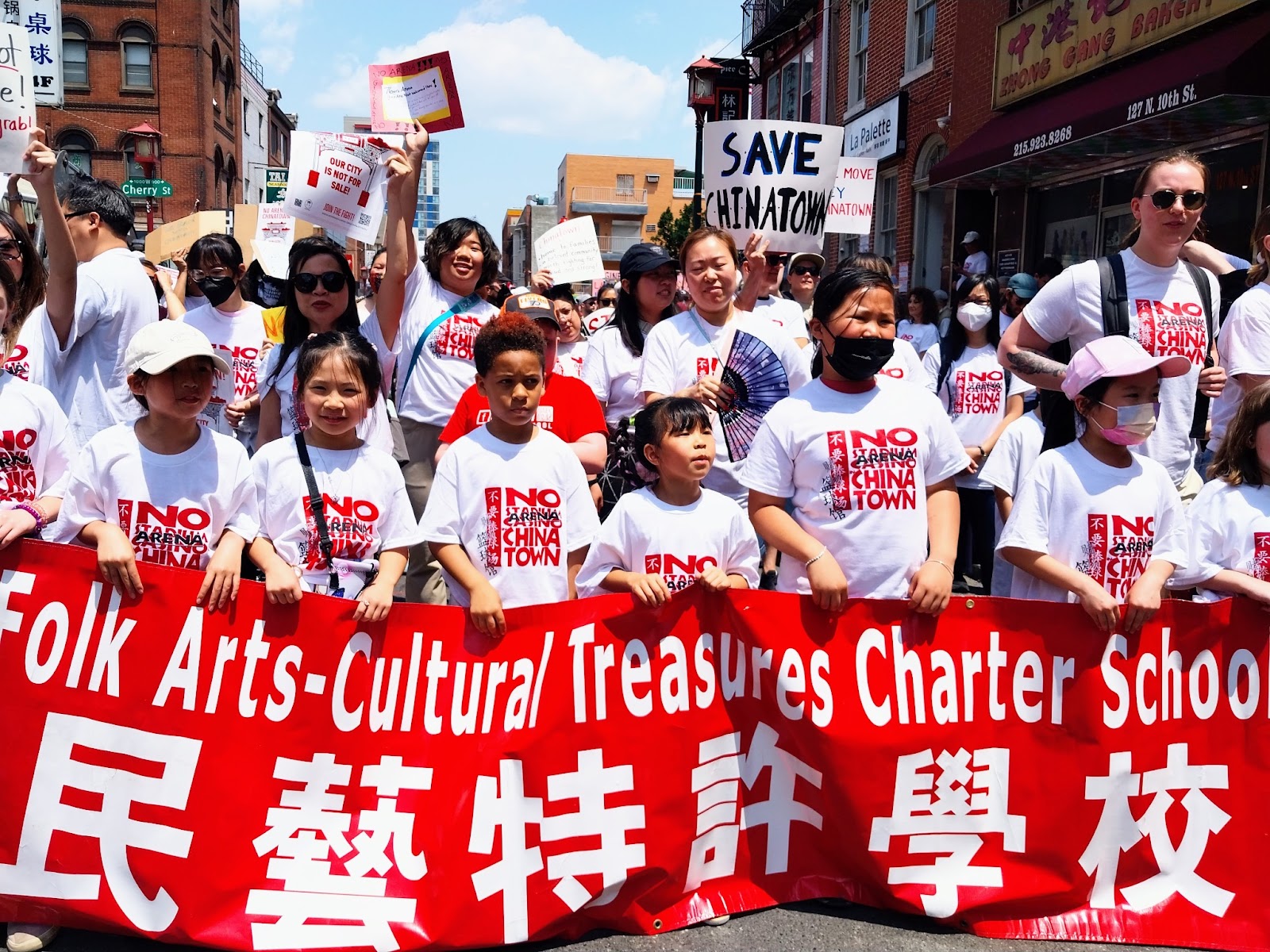
      El año pasado se intensificó la defensa de esta área citadina. En abril se entregaron miles de firmas a los miembros del concejo muniicpal de personas que serían impactadas por  esa edificación. Entre otras actividades, el 10 de junio hubo una marcha  multiracial que partió de la esquina de la calle Vine y 10 hasta llegar al ayuntamiento de Filadelfia.

       Aunada a esa diversidad racial que se ha solidarizado con la lucha de la comunidad asiática por defender su barrio, existe la diversidad religiosa con un aliado poderoso, POWER Interfaith, organización sin fines de lucro que cree que la fe puede unirnos más que dividirnos y que las variadas tradiciones de fe exhortan a sus miembros a actuar para hacer las comunidades y la nación un mejor lugar donde vivir.

      Así, el 17 de diciembre  en colaboración con la iglesia Mother Bethel AME , se reunieron más de 150 personas de fe, clero y residentes del distrito 1 para discutir el impacto de dicho estado haciendo preguntas al demócrata Mark Squilla y tratar de obtener un compromiso de este funcionario público.

      Como político más que servidor público, evadió las preguntas más importantes, divagó y no se comprometió a apoyar un 100% a la coalición opositora al proyecto corporativo 76Devcorp.

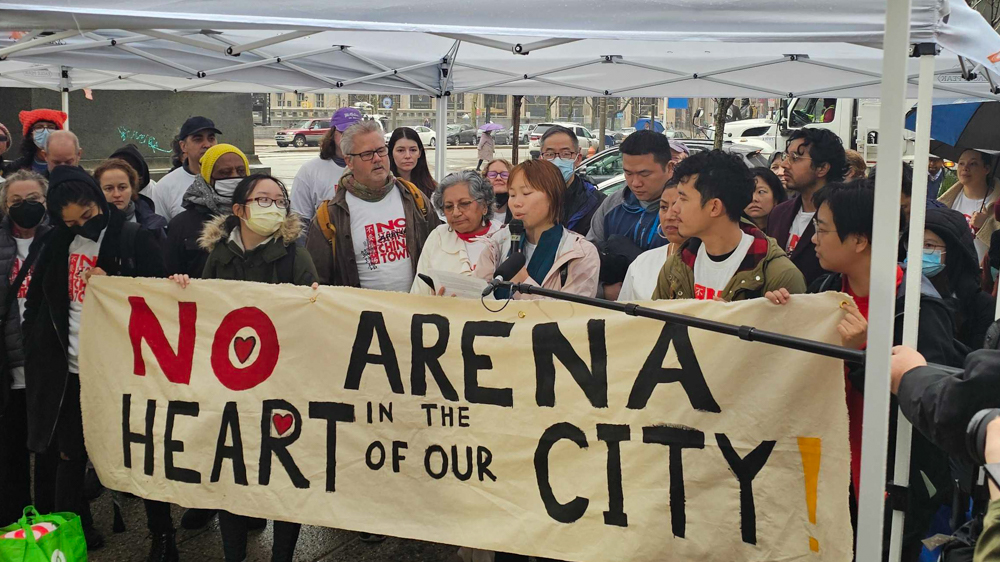
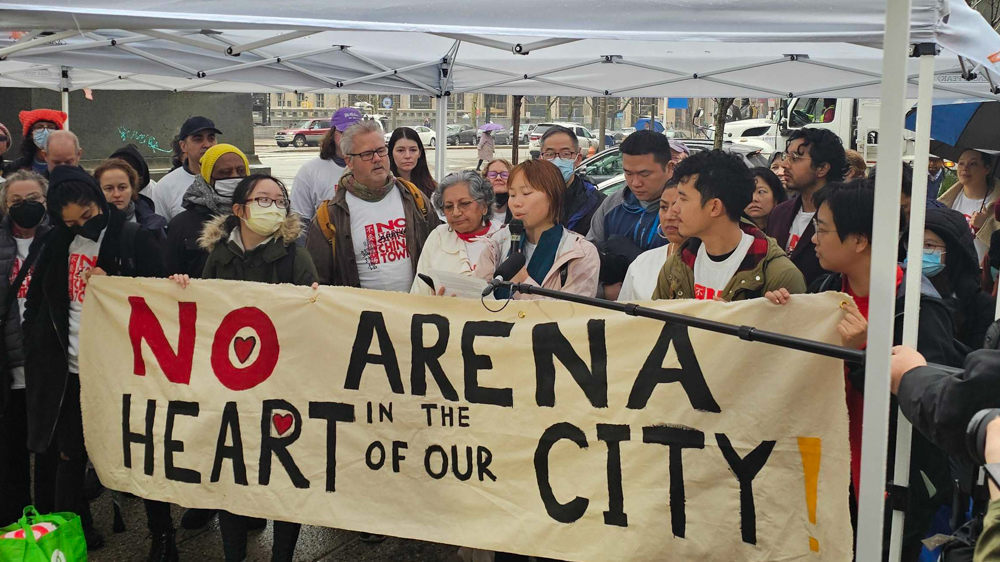
      El 25 de enero de 2024, cuando se realizó la primera reunión del concejo municipal con un nuevo presidente, Kenyatta Johnson y bajo la nueva administración de Cherelle Parker, la primera alcaldesa de Filadelfia, la coalición “Salvemos al barrio chino” organizó una conferencia de prensa y visitas a las oficinas de varios concejales para pedir su apoyo.

      Esta coalición  es un grupo multiracial, multigeneracional, interreligioso de más de 245 organizaciones,pequeños negocios, organizaciones comunitarias registradas y congregaciones religiosas dedicadas a la vitalidad de Filadelfia.

      El concejal Mark Squilla se desdijo recientemente que no se destinarían fondos públicos para la construcción potencial del estadio del  equipo de baloncesto The Philadelphia 76ers  en el centro de Filadelfia que incluye al barrio chino. Según la  coalición,  el servidor público dejó abierta la puerta para que los contribuyentes subsidien el  estadio. El mensaje para el concejal Squilla fue claro, “ningún finaciamiento público para el estadio”.

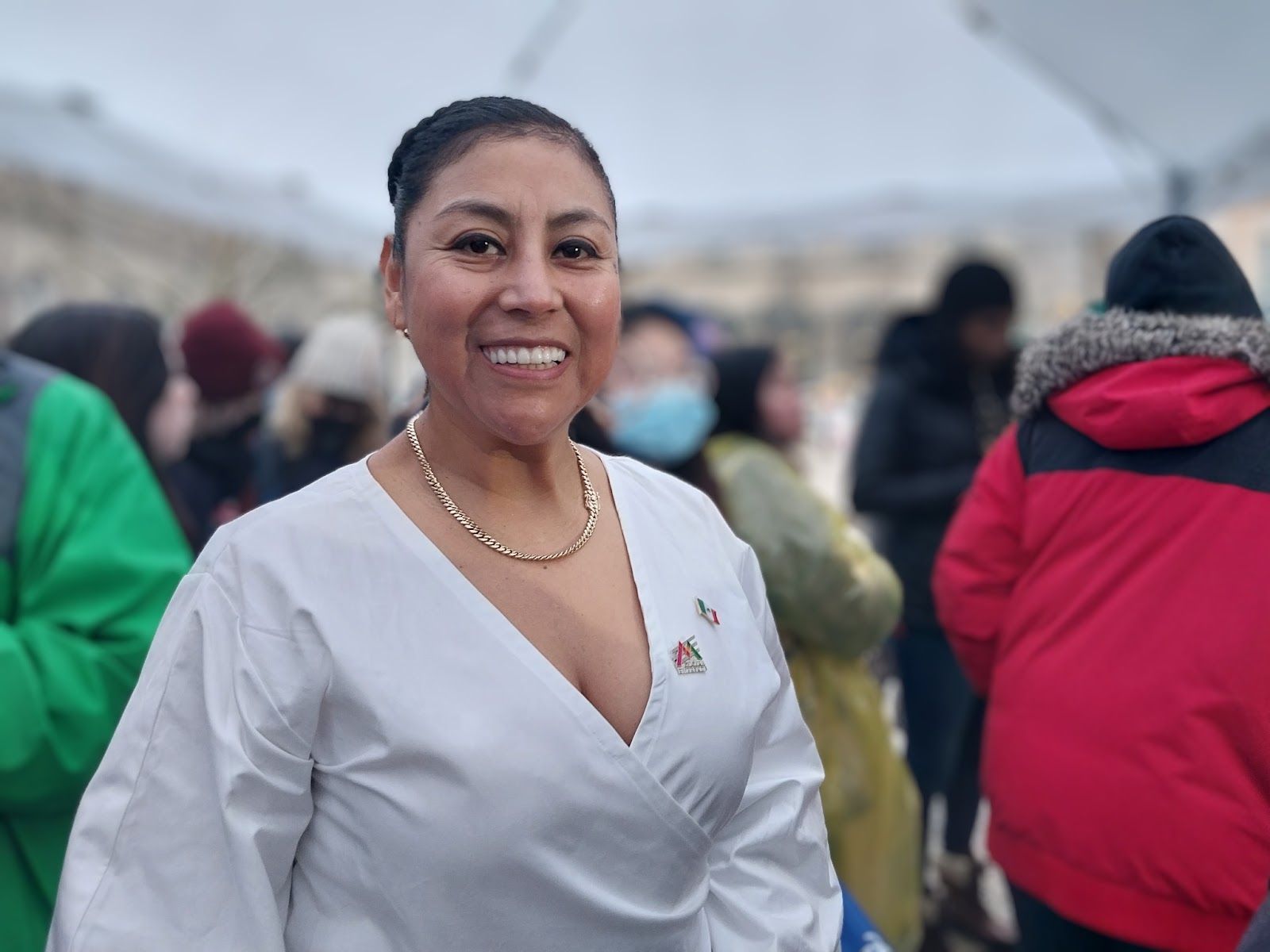
      La mexicana Cristina Martinez, chef de South Philly Barbacoa,  ganadora del premio James Beard,  expresó que ella va al barrio chino para sesiones de acupuntura y remedios medicinales, ya que no tiene seguro médico. “Esta comunidad no solo es esencial para mí, sino para miles de personas en especial inmigrantes como yo que dependen de ella. El barrio chino es un ícono de la cultura y gastronomía asi como un hogar donde muchos inmigrantes viven.Quiero ver que continúe sobreviviendo, por eso estoy en contra de la construcción del estadio.”


      Jimmy Low, técnico de la sala de emergencias del centro de traumas nivel 1 en el centro de la ciudad,  manifestó que cuando se cierran las calles 10 y 11 por algún evento, se preocupa por la seguridad de sus pacientes.

      Por su parte el Rev. Michael Caine, pastor de la iglesia  Old First Reformed UCC en el sector  histórico y copresidente de la mesa directiva de Power Interfaith precisó que “hay muchas otras cosas que merecen y necesitan financiamiento público y no queremos ni necesitamos fondos públicos destinados para un nuevo estadio.”
      A su vez, Xu lin, propietario de un comercio en el barrio chino manifestó que se sintió traicionado por el concejal Squilla “le exhorto a que cumpla sus promesas y proteja al barrio chino, una comunidad vibrante que tiene mucho que ofrecer a la ciudad.”

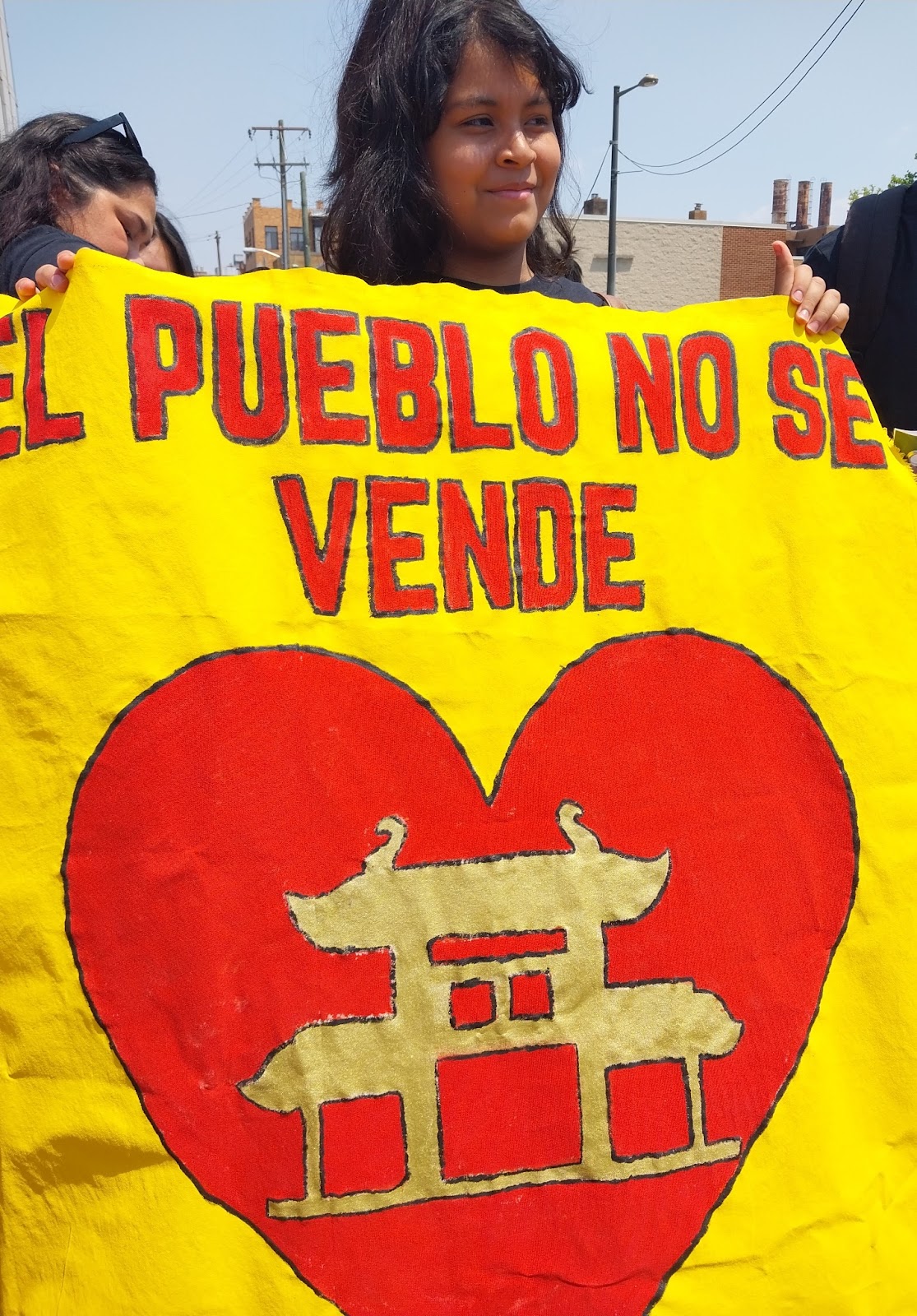
      Por primera vez en la historia de la comunidad asiática de Filadelfia, ha habido una diversidad de aliados que se han unido a la defensa del barrio chino de la ciudad. 


      English Version:

      Diversity in action to oppose the construction of the 76ers stadium

      Chinatowns in the United States and Canada have long been drastically reduced by urban projects. Gentrification and urban development in Washington, St. Louis, and other cities are evidence of the shrinking of these communities.

      This year, the Philadelphia City Council will have to decide whether to approve the construction of the stadium of the local basketball team, the 76ers, on Market Street and 11th Street, one block from Chinatown. This plan was proposed in the summer of 2022 with optimism by the corporation 76 Devcorp stating that it will be an investment of 1.3 billion dollars. If this project is approved, the planned opening of the stadium will be in 2031. The Sixers are tenants of the Wells Fargo Center, a facility they share with the Flyers, the local ice hockey team, “Flyers.”

      Their main arguments for moving downtown are because they want to have their usage schedule and because they need a state-of-the-art stadium for the team to be competitive in the National Baseball Association.

      The attraction they emphasize is the generation of jobs, tax revenue, and the revitalization of those blocks that are currently occupied by the Fashion District shopping center.

      However, Chinatown residents and merchants overwhelmingly oppose the stadium, which could destroy the 150-year-old neighborhood through traffic congestion, higher property prices, and rising rents. First Precinct Leader Kathleen Melville has said the city does not need a stadium that would be empty most days of the year when there are so many projects that need to be done in Philadelphia, such as building affordable housing and new schools.

      For its part, the affected community announced on January 9, 2023, the formation of the “Chinatown Coalition Opposing the Stadium” made up of more than 40 community groups from that historic area, as well as commercial and other non-profit organizations. profit. The Philadelphia Chinatown Development Corporation formally opposed that project in March 2023.

      Stadiums have had a gentrifying effect on low-income communities of color across the country such as Los Angeles, Seattle, New York City, and Atlanta. Capital One Stadium in Washington, DC contributed to the collapse of Chinatown. “We will not allow Philadelphia’s Chinatown to be one more of those tragic stories,” said the corporation, which surveyed more than 230 people. The results indicated that 93% of merchants, 94% of residents, and 95% of visitors oppose the “Sixers” stadium.

      Last year the defense of this city area was intensified. In April, thousands of signatures were delivered to members of the municipal council from people who would be impacted by that building. Among other activities, on June 10 there was a multiracial march that started from the corner of Vine and 10th Streets to Philadelphia City Hall.

      In addition to this racial diversity that has expressed solidarity with the Asian community’s struggle to defend their neighborhood, there is religious diversity with a powerful ally, POWER Interfaith, a non-profit organization that believes that faith can unite us more than divide us and that The various faith traditions call on their members to act to make communities and the nation a better place to live.

      Thus, on December 17, in collaboration with Mother Bethel AME Church, more than 150 people of faith, clergy and residents of District 1 met to discuss the impact of said state by asking questions of Democrat Mark Squilla and trying to obtain a commitment from this public official.

      As a politician rather than a public servant, he evaded the most important questions, digressed, and did not commit to 100% support for the coalition opposing the 76Devcorp corporate project.

      On January 25, 2024, when the first city council meeting was held under a new president, Kenyatta Johnson, and under the new administration of Cherelle Parker, Philadelphia’s first female mayor, the Save Chinatown coalition hosted a conference press and visits to the offices of several councilors to ask for their support.

      This coalition is a multiracial, multigenerational, interfaith group of more than 245 organizations, small businesses, registered community organizations, and religious congregations dedicated to the vitality of Philadelphia.

      Councilman Mark Squilla recently said no public funds would be allocated for the potential construction of The Philadelphia 76ers basketball team’s stadium in downtown Philadelphia including Chinatown. According to the coalition, the public servant left the door open for taxpayers to subsidize the stadium. The message to Councilman Squilla was clear, “no public financing for the stadium.”

      Mexican Cristina Martinez, chef at South Philly Barbacoa, winner of the James Beard Award, said that she goes to Chinatown for acupuncture sessions and medicinal remedies since she does not have health insurance. “This community is not only essential for me, but for thousands of people, especially immigrants like me, who depend on it. “Chinatown is an icon of culture and gastronomy as well as a home where many immigrants live. I want to see it continue to survive, which is why I am against the construction of the stadium.”

      Jimmy Low, an emergency room technician at the Level 1 trauma center downtown, said that when 10th and 11th streets are closed for an event, he worries about the safety of his patients.

      For his part, Rev. Michael Caine, pastor of the Old First Reformed UCC church in the historic sector and co-president of the board of directors of Power Interfaith, stated that “there are many other things that deserve and need public financing and we do not want or need public funds. destined for a new stadium.”

      In turn, Xu Lin, a business owner in Chinatown, stated that he felt betrayed by Councilman Squilla, “I urge him to keep his promises and protect Chinatown, a vibrant community that has much to offer the city.”

      For the first time in the history of Philadelphia’s Asian community, there has been a diversity of allies joining the defense of the city’s Chinatown.

      Leticia Roa Nixon

      Leticia Nixon, nacida en la Ciudad de México, cursó la carrera de comunicación en la Universidad Iberoamericana. Desde 1992 se dedica al periodismo comunitario de Filadelfia. Es autora de seis libros y video productora de PhillyCAM. Escribe para philatinos.com y reside en Swarthmore, Pa.

      Leticia Nixon, born in Mexico City, studied communications at the Universidad Iberoamericana. Since 1992 she has been dedicated to community journalism in Philadelphia. She is the author of six books and video producer for PhillyCAM. She writes for philatinos.com and lives in Swarthmore, Pa.

      Selected Works by Leticia Nixon:
      Cuando Los Tejidos Hablan (When Fabrics Speak)
      Berenice, La Danzante Azteca (Berenice, The Aztec Dancer)
      Huracán Corazón Del Cielo (Huracán, Heart of the Sky)
      El Lienzo de Tlapalli (The Tlapalli Canvas)
        • « Go to Previous Page
        • Page 1
        • Page 2
        • Page 3
        • Page 4
        • Page 5
        • Interim pages omitted …
        • Page 8
        • Go to Next Page »

        Hit the ground running with a minimalist look. Learn More

        Copyright © 2026 · Monochrome Pro on Genesis Framework · WordPress · Log in

        • Instagram
        • Facebook