• Skip to primary navigation
  • Skip to main content

REVARTE

  • Home
  • About
    • REVARTE Collective
  • Issues
  • Content
    • LITERATURA
    • JUVENTUD
    • ENSAYO
    • COMUNIDAD
    • MEDIA
  • Subscribe
  • Contribute
  • Show Search
Hide Search

Juventud

Sueños y utopías

RevarteColectiva · March 13, 2025 ·

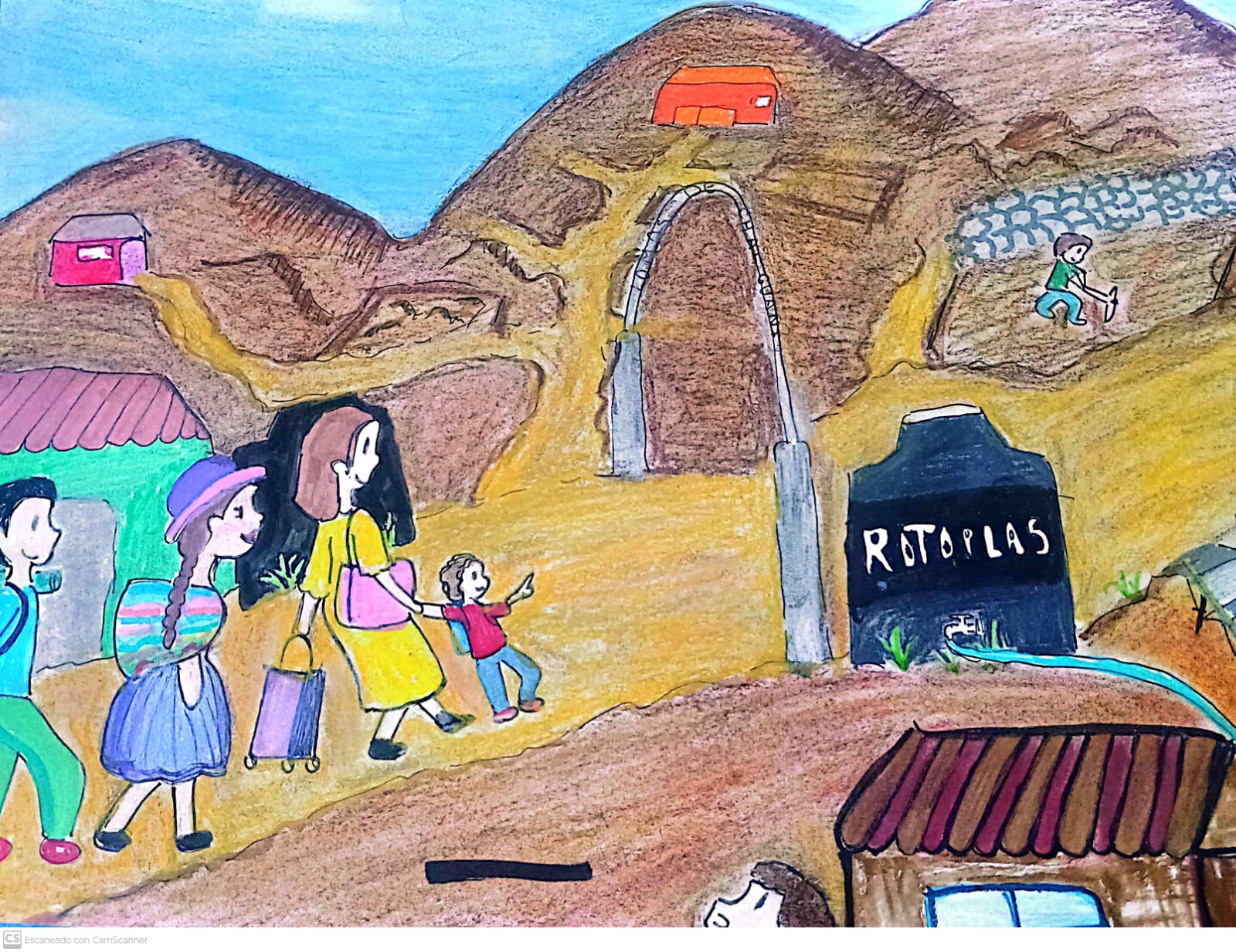
Contribución de autor anónimo de Puente Piedra, en el barrio el Quijote.

Click here for English version

Mi infancia fue tierna, alegre, con ilusiones y llena de esperanza y de sueños, mis sueños eran un regalo del día. Tenía sueños con mis amigos y todo parecía alcanzable y más que real.

Siento que en la niñez tenemos la capacidad de imaginar futuros realmente maravillosos, cuando uno va creciendo el sueño se va apagando, las ganas de imaginar se van diluyendo y dejamos que se pierda nuestra capacidad de imaginar poco a poco. Hoy me pregunto, por qué perdemos las ganas de soñar, pueden ser muchos factores:

  • El día a día es monótono.
  • La escuela encarpetada.
  • El círculo de amigos que vive el día a día sin hablar de ilusiones y sueños.
  • Las noticias de violencia y desesperanza.
  • La situación política del país que nos llena de rencores, porque hay tanta injusticia e impotencia.

Una vida sin ilusiones, sueños y utopías, es una vida condenada a la muerte.

Hoy decido vivir con ilusión, soñar incansablemente, con esperanza y caminar hacia una sociedad mejor para todos.


Dreams and Utopias

Contribution from an anonymous author from Puente Piedra, in El Quijote neighborhood.

My childhood was tender, happy, filled with illusions, hope, and dreams. My dreams were a daily gift. I dreamed with my friends, and everything seemed attainable and more than real.

I feel that in childhood we have the ability to imagine truly wonderful futures. As we grow, the dream fades, the desire to imagine dissolves, and we allow our capacity to imagine to diminish little by little. Today I ask myself, why do we lose the desire to dream? It could be many factors:

  • The day-to-day becomes monotonous.
  • The structured school environment.
  • The circle of friends who live day to day without talking about hopes and dreams.
  • The news of violence and hopelessness.
  • The political situation of the country that fills us with resentment, because there is so much injustice and helplessness.

A life without hopes, dreams, and utopias is a life condemned to death.

Today I decide to live with enthusiasm, to dream tirelessly, with hope, and to walk toward a better society for all.

Dreams in Two Languages: Student Poetry from Babel Class

RevarteColectiva · March 13, 2025 ·

by Louisa Sandorff

Click here for English version

Introducción

La clase de lecto – escritura – arte, de CCATE reflexionó y escribió sobre sus sueños. La clase se conforma por estudiantes de primaria y que cultivan el amor por la escritura, la lectura poética y el arte.


Sofia Calderon Lopez

A child's drawing of a child standing on a beach

Description automatically generated

La piscina azul brilla mucho,
El olor a cloro me da alegría
Puedo hacer estilo libre, mi deporte favorito,
Mi traje de arcoíris está listo para la carrera
Voy a toda velocidad por el agua,
Avanzo hacia la meta
Toco la pared
¡Kachow!
Gané.


Kevin Welchez Máncheme

A drawing of a dog and people

Description automatically generated

El balón cruzó la línea y entró en la red
Corro por el campo; este es un momento que nunca olvidaré
Me deslizo por el césped, voy muy rápido
Mi corazón late como un rayo, por favor, haz que este momento dure
Llevo mi camiseta azul y blanca, me parezco mucho a Messi
Espero conocerlo algún día y espero jugar al fútbol hoy


Madelyn Silva Chavez

A drawing of different makeup items

Description automatically generated

Imagínate despertar con el olor a tinte y monómero
El ruido de un cortauñas y una lima
Es como música para mis oídos
Ya puedo sentir mis manos moviéndose para ponerme la base,
Mis ojos concentrados en el delineador
Mis dedos recorriendo todo el cabello para hacer una trenza francesa
Mi trabajo soñado
Cosmetóloga
Trabajaré tan duro como pueda
No me rendiré hasta convertirme en una


Melany Silva Chavez

¿Alguna vez imaginaste estar en un lugar
que no es tu hogar?
Si es así, viajemos alrededor del mundo
Ver el Monte Everest desde su cima
Mirar la gran ciudad de Dubai brillando frente a tus ojos
Oler ese croissant en Francia mientras ves la Torre Eiffel brillar sobre los edificios que la rodean
Italia, luego a Roma, la ciudad antigua
Ruinas de la ciudad de Pompeya
Continuar hacia el poderoso lugar de Grecia
Ver las altas montañas de Brasil
Mirar hacia abajo a su estadio de fútbol,
Y gol, marcaron

Louisa Sandorff

Louisa Sandorff tiene 15 años, es maestra en CCATE de la clase de escritura “Babel”, tiene raíces venezolanas, y está en su primer año de bachillerato en Conestoga High School en Pennsylvania

    Introduction

    The CCATE reading-writing-art class reflected and wrote about their dreams. The class is made up of elementary school students who cultivate a love for writing, poetic reading and art.


    Sofia Calderon Lopez

    A child's drawing of a child standing on a beach

Description automatically generated

    The very bright blue pool,
    The chlorine smell brings me joy
    I get to do freestyle my favorite
    My rainbow suit is ready for the race
    I’m zooming through the water,
    Racing to the finish
    I touch the wall
    Kachow!
    I win


    Kevin Welchez Máncheme

    A drawing of a dog and people

Description automatically generated

    The ball crossed the line into the net
    I run across the field; this is a moment I’ll never forget
    I’m sliding across the grass, I’m going really fast
    My heart is beating like the flash, please make this moment last
    I’m wearing my blue and white jersey, I look just like Messi
    I hope I meet him one day, and I hope to play soccer today


    Madelyn Silva Chavez

    A drawing of different makeup items

Description automatically generated

    Imagine waking up to the smell of hair dye and monomer
    The noise of nail clippers and a filer
    It’s like music to my ears
    I can already feel my hands moving to put on foundation,
    My eyes concentrated on the eyeliner
    My fingers going through all the hair to make a French braid
    My dream job
    Cosmetologist
    I will work as hard as I can
    I will not give up until I become one


    Melany Silva Chavez

    Ever imagine being in a place
    That’s not your home
    If yes, let’s travel around the world
    Seeing Mt. Everest over its peak
    Looking at the big city of Dubai shining in front of your eyes
    Smelling that croissant in France while seeing the Eiffel Tower sparkle onto the buildings around it
    Italy, then to Rome the ancient city
    Ruins of the city of Pompeii
    Moving on to the powerful place of Greece
    See the tall mountains of Brazil
    Look down onto their football stadium,
    And goal, they scored

    Louisa Sandorff

    Louisa Sandorff is 15 years old, she is a CCATE teacher in the “Babel” writing class, she has Venezuelan roots, and she is in her first year of high school at Conestoga High School in Pennsylvania.

      LA MIGRACIÓN

      RevarteColectiva · September 30, 2024 · Leave a Comment

      Por Ruth Layne Cárdenas

      Click here for English version

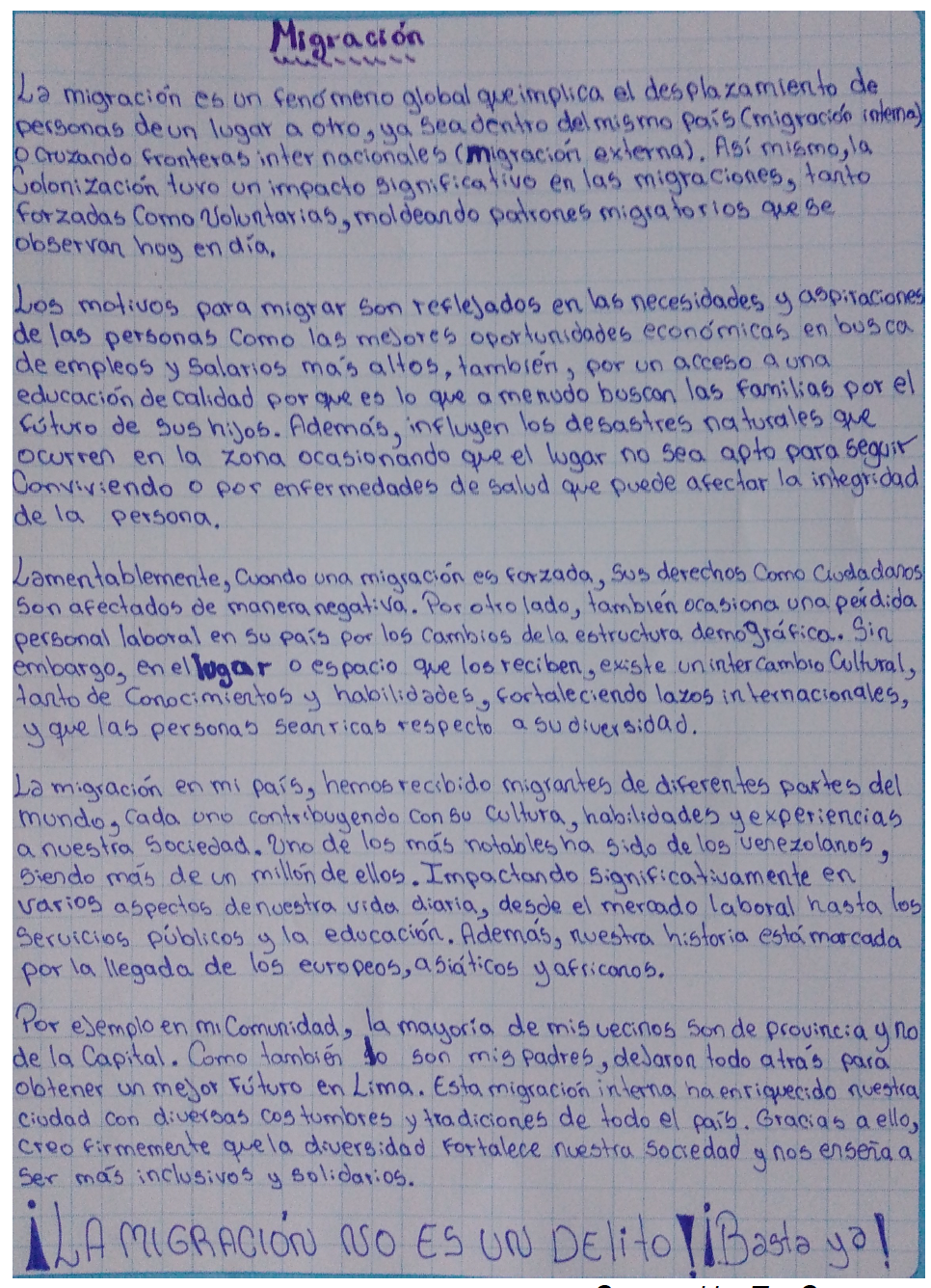
      La migración es el desplazamiento de un lugar a otro , dentro o fuera del país , la migración dentro del  país se llama MIGRACIÓN INTERNA y la migración fuera del país se llama MIGRACIÓN EXTERNA. 

      Uno de los factores que causan la migración es por asuntos de economía, políticos , sociales, ambientales, entre otros  

      Por ejemplo:  

      Mi madre, Brígida migró de su pueblo a la ciudad eso quiere migración interna ya que es dentro del  país y como sabemos cada persona tiene los motivos por el cual migran , ella nos contó que su motivo  era por un futuro mejor para ella y sus futuros hijos ya que en la ciudad hay mejores oportunidades pero  también sabemos que se enfrentan a muchos problemas durante el camino. 

      Brígida sufrió discriminación entre otras cosas pero a ella no le derrumbó los comentarios malos por qué  sabía cuál era su meta y tenía que conseguirlo, migran trae buenos y malos momentosen la vida.  

      Por otro lado… 

      Daywerxon es un estudiante de secundaria y proviene de Venezuela, él migró de Venezuela a Perú , por  tanto es migración externa ya que su desplazamiento no fue corto, él y su familia tuvieron dificultades  durante el transcurso del camino, tuvo que enfrentarse a un nuevo ambiente, nuevo lugar, nueva forma  de hablar, para Daywerxon también fue complicado la decisión de migrar en familia por motivos  políticos. 

      Su país es tan diferente al nuestro y a la vez semejante. 

      Aquí y allá, aqui hay tanta desigualdad, allá se siente mucho más. 

      Aquí hay tanta indignación por las políticas que no atienden a los que mas lo necesitan, allá es mucho  del país sin rumbo. 

      English Version:

      MIGRATION

      Migration is the movement from one place to another, within or outside the country, migration within the country is called INTERNAL MIGRATION and migration outside the country is called EXTERNAL MIGRATION.

      Some factors that may cause migration include economic, political, social, and environmental issues, among others.  

      For example:  

      My mother, Brígida, migrated from her town to the city, an example of internal migration since it is movement within the same country. Each person has different reasons why they migrate, so she told us that her reason for migrating was for a chance at a better future for her and her future children since there are better opportunities in the city. Of course, migration can also come with many problems along the way.

      Brígida suffered discrimination among other things, but was never discouraged by the bad comments because she knew what her goal was and that she had to achieve it; migrating brings both good and bad moments in life.

      On the other hand… 

      Daywerxon is a high school student and comes from Venezuela; he migrated from Venezuela to Peru, an example of external migration since the journey was not short and outside of the country. He and his family faced many difficulties along the way. He had to adapt to a new environment, new place, and new way of speaking— the decision to migrate as a family for political reasons was also complicated for Daywerxon. 

      Their country is so different from ours and at the same time very similar. 

      There is so much inequality here, but over there, you feel it so much more.

      Here, there is so much indignation over policies that do not serve those who need it most; over there, much of the country is without clear direction.

      Ruth Sarai Layme Cárdenas

      Es estudiante de séptimo grado y asiste a El Quijote para la vida, donde coordina la biblioteca de Lomas de Chahuani y dirige un programa de radio para adolescentes.

      She is a seventh grade student and attends El Quijote para la vida, where he coordinates the Lomas de Chahuani library and directs a radio program for teenagers.

        1/4: The World Of Chess

        RevarteColectiva · September 30, 2024 · Leave a Comment

        By Olivia Novoa

        Click here for Spanish version

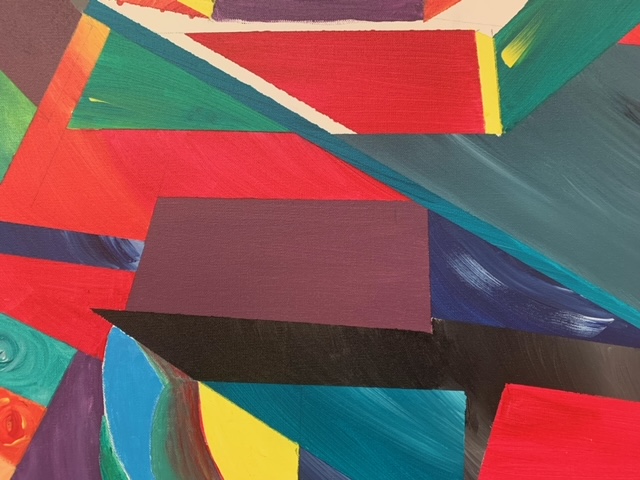
        “Universe” CCATE Painting

        This story begins with a girl named Keiko who moved from Japan. Keiko is at home when all of a sudden she is getting sucked into a portal and wakes up in a world with her friends. Keiko and her friends must survive different battles with other players in human life chess. At the end of the story, Keiko discovers that she has a brother who lives in the chess world. Keiko has to battle her brother and ends up living in the world of chess. Keiko now wants to change the world of chess into a world of games.

        (Yuki)-(You-key)  (Aoi)-(Ah-o-EE.)  (Aiko)-(i-co) (Naruto)-(Nar-toe) (Xiomara)-(see-you-ma-da) (Keiko)-(ke-co)

        August 16, 2090, My birthday the day I turned 15, and the day I got sucked into a portal with my friends to a world of chess. I am at home relaxing and watching TV with one of my friends Michael. 

        “Hey Keiko…umm,” Michaell says.

        “Yes,” I say back.

        “Do you know how to play chess?” asks Michael.

        “Yes…Yes, I do,” I respond.

        “Really… you do? Then would you like to play a game with me?” Michael asks.

        “Yes…you wanna bet,” I say excitedly.

        “Let us do it,” he says. I grab the glass chess and set it up. We both sit at the table and put our bets.

        “Who goes first,” Michael says, “they’re all glass” he finishes. 

        “umm… I guess I’ll go first” I say. I move my pawn and then he moves his knight. Coming out of nowhere a portal opens and sucks the both of us into it. It’s colorful inside of the portal and it hurts my brain looking at it. I close my eyes and try to relax and figure out what is happening. I wake up on the ground with people laying next to me it takes me a second to realize that I’m not in my house anymore I’m in a whole different universe and my friends are the ones laying next to me.” Aoi, Naruto, James, Michael, Zoey,” I turn around to see who else was there., “Dave, Aiko, Yuki, Noah, Xiomara,” I say worriedly.

        ”What happened?” Naruto asks.

        “Yeah what Naruto said,” says Noah.

        “Uh…my head hurts,” Zoey adds.

        “Explain what is going on Keiko,” Aoi says loudly.

        “Umm…where are we?” I say.

        “I don’t know,” says James.

        “By my guess…I think we have to find out where we are,” Noah says.

        “No duh Captain Obvious,” everyone says. (except for Noah)

        “Well we better get going,” says Yuki.

        “Why are we in such a hurry,” Xiomara says.

        “Look up… the sun is about to set,” says Zoey. We walk down some streets and look around for a place to stay. Finally, we find a hotel and walk in. I saw that people were looking at us weirdly when we walked by them. I mean, of course, you will look at someone weirdly if you have never seen them before, I thought as I tried to calm myself. I remember the day perfectly, I was four years old. The day I was orphaned. I was trying to sleep when I heard a loud yell, I curled up into a ball and held my tears. I knew what was going on. They were fighting again, my parents. I heard yelling and breaking glass. I tried not to cry but couldn’t help it, and then I ended up falling asleep as I tried to calm myself. A loud bang woke me up. I run to the stairs and see that my mom and dad are getting dragged by some people. I yell “What are you doing to my parents” as I run towards them. That’s all I remember from that day, it’s all that I remember of my parents.

         “Hey Keiko,” I hear.

        “Uh…y-yes,” I say, frightened, waking up from my nightmare.

        “You ok Keiko,” Xiomara asks.

        “Yes I’m ok,” I say.

        “Hey guys the rooms are ready,” says Zoey.

        “Ok let’s check them out,” Aoi says quietly. 

        “Aoi, why are you whispering?” Yuki asks.

        “Never mind her,” Xiomara says as she walks towards the elevator, “let’s go.” “Umm…ok let’s go I guess,” I say. As soon as we get inside the elevator, Aiko yells, “I think we are at some kind of five-star hotel.”

        “Why do you think that?” Zoey asks.

        “Uh, because it’s way too fancy,” Aiko says.

        I sigh. 

        “Really… that’s why you think it is a five-star hotel?” Zoey asks.

        “Umm Yeah,” Aiko responds.

        “Sigh,” I go again.

        BEEP.

        “OW,” I yell, “that hurt my ears.”  We walk through the hallways and look through rooms: 201, 204, 104, 105, and 199. “Why so many rooms?” Yuki asks.

        “Because there are so many of us, two rooms for us girls and three rooms for you guys,” Zoey explains.

        “Weird!!” Noah calls out.

        “Ok Noah just be more serious for once,” I say.

        “Ok hmm,” he says as he crosses his arms together. The hard thing was that we all had to pick someone as a roommate and Aoi and Xiomara were fighting about who they wanted their roommate to be. “I’m going to be with Zoey,” Xiomara says first.

        “No, I am going with Zoey,” Aoi says.

        “How about we don’t fight guys, ok,” Aiko enters the conversation.

        “SHUT UP,” say Xiomara and Aoi.

        “Ok guys enough is enough” Yuki hesitates to say. 

        “I’ll just be with Yuki,” Aiko says hesitatingly.

        “I guess that leaves me with James, Nartuo, or Dave,” Michael sasaysid, trying not to enter the fight.

        “I will go with Michael,” James says calmly.

        “How are you so calm James,” Aiko says, still hesitating.

        “I guess that means I get Naruto as a roommate,” Dave says, standing in front of the two conversations. 

        “Yeah, I got Dave,” Naruto yells.

        “Yeah yeah, whatever,” Aoi shouts so that we hear her clearly. 

        “OK how about me and James go to sleep because it is getting late,” Michael suggests.

        “Yeah, me and Yuki are going,” Aiko says. They leave with Dave to go to their rooms. I turn to Aoi and Xiomara. 

        “OK shut it you two no more fighting, I will settle this,” I yell at them.

        “Uh,” they both start.

        “I will go with Zoey, and you two work together, do you understand?” I ask with a dead-eyed stare.

        “Yes, we understand, we won’t do it again,” they hesitate to say.

        “Good, now let’s go, Zoey,” I say as I walk off. When I got to the room and opened the door, I saw so much food. 

        “Oh my god there’s so much food here” I scream.

        “Wow, there is a lot of food,” Zoey says. I look to the side and saw a woman standing in a beautiful dark blue dress, waiting to greet us. “Hi, you must-”

        “Who are you?” Zoey says before she could finish.

        “Oh I’m sorry…you can finish talking now,” Zoey says, feeling bad for interrupting.

        “Thank you, well first, I guess I can introduce myself. I am C-1,” she says.

        “Uh what? Your name is C-1?” Zoey says.

        “What a name you got there,” I say.

        “You two must be 0-2 and 3-6,” She says.

        “What? Our names aren’t 0-2 and 3-6?” Zoey argues.

        “Here, put on these clothes,” she says.

        “Ok,” I say. We grab a pair and put it on. It looks like a kimono but it isn’t, it just looks weird. The colors are black with a glow-in-the-dark turquoise and they come with black and white gloves with a little tag on it, reading “0-2”. Zoey’s outfit was of baggy pants and a tight shirt. The colors were the same as mine with black glasses and Zoey’s clothes also had a tag but it said “3-6” instead. After that, we went to sleep with our clothes on. I don’t know why, but C-1 said that these were the clothes we would have forever. In the morning C-1 told us that we were the new players in this world and that we had to survive in human chess.

        “HUMAN CHESS” I yell.

        “Yes,” C-1 says.

        “Umm…human chess? I mean, I have played chess, but not human chess,” I think. When we left the room, Aoi and Xiomara come running towards me and Zoey.

        “KEIKO,” Aoi screams.

        “Huh,” I say with a weird look on my face. Aoi’s clothes made her look like she was attending the world’s fanciest prom. I turn to see Xiomara’s outfit. She’s wearing the same thing as Aoi. It was a tight dress.

        “Here,” Aoi says as she gave me a crown and a staff, but the staff that she gave me didn’t look like Aoi’s staff. 

        “Ah yes, this is the queen’s staff,” C-1 says.

        “What? The queen’s staff?” I ask confused.

        “It is your staff. We are the people who welcome the new players, and for each queen player that we have, they have a staff made for them. This one is made up of many different staffs…Celtic Druid Staff, Celtic Guardian Staff, Whitewing Staff, Checkmate Queen’s,” C-1 finishes saying.

        “Wow, that’s a lot of stuff,” Naruto says, looking surprised.

        “Here take these books… they are the books of all the staff,” C-1 says.

        “Oh, and there is a library just right from here,” C-1 says.

        “Ok thank you,” I say. I walk into the library and find a table to sit at. I open the book and read in my head, cautious of people watching my every move.

        I start reading as I look at the staff:

         Celtic Druid Staff- A staff born of the will of a goddess. It has the power to call on all the magic skills of the three elements.

         Celtic Guardian Staff- A staff that reflects a goddess, the wielder casts powerful magic attacks or supports allies with the  Healing skill.

         Whitewing Staff- A staff rarely seen, designed in the image of the White Winged God. Wielding this staff allows one’s magical powers to increase more quickly.

         Checkmate Queen’s Staff- A staff inspired by the regal queen piece from chess. Crafted from enchanted marble, it holds potent destructive force. It’s unnaturally light. It has the power to call on all magic skills and, when held, allows you to use the Meditation skill while running.

        ”Umm, why would this staff have the power to kill and heal someone… Wait, aren’t we playing human chess? The only one reason that I would have this power…is if we were going to have to kill the people that we are playing against” I whisper. I get up, grab the Staff, and walk out of the library.

        “Hey Keiko, where have you been?” Dave asks. I look up to him with a mad look.

        “Uh K-Keiko,” he stutters.

        “Where is she?” I ask furiously.

        “Where is who?” he asks hesitating.

        “C-1,” I say, still mad.

        “Ah, she’s in room 104,” James says quickly. I walk madly towards room 104. I open the door and ask, ”C-1, are you going to make us kill people?”

        “Sorry, I can’t tell you, you have to find out on your own,” C-1 responds.

        Español

        “Universe” CCATE Painting

        1/4: El Mundo de Ajedrez

        Esta historia comienza con una niña llamada Keiko que se mudó desde Japón. Keiko está en casa cuando, de repente, es absorbida por un portal y se despierta en un mundo extraño junto a sus amigos. Keiko y sus amigos deben sobrevivir diferentes batallas con otros jugadores en el ajedrez humano. Al final de la historia, Keiko descubre que tiene un hermano que vive en el mundo del ajedrez. Keiko tiene que luchar contra su hermano y acaba viviendo en el mundo de ajedrez. Keiko ahora quiere cambiar el mundo de ajedrez a un mundo de juegos.

        (Yuki)-(Tu-llave)  (Aoi)-(Ah-o-EE.)  (Enviando)-(y qué) ((Naruto)-(Nar-dedo del pie) (Xiomara)-(nos vemos ma-da) (Keiko)-(El co)

        16 de agosto de 2090: el día en que cumplí 15 años, y el día que fui absorbida por un portal. El día que desperté dentro del mundo de ajedrez junto a mis amigos. Antes de que apareciera el portal, estaba en casa relajándome y viendo televisión con uno de mis amigos, Michael.

        Así es como empezó todo:

        “Hola Keiko… umm,” dice Michael.

        “Sí?” le respondo.

        “¿Sabes jugar ajedrez?” pregunta Michael.

        “Sí… Sí, sé,” digo.

        “En serio… ¿sí sabes? Entonces, ¿te gustaría jugar un partido conmigo?” pregunta Michael.

        “Sí, claro que sí,” digo con entusiasmo.

        “Hagámoslo,” dice. Voy por el ajedrez de cristal y lo ordeno. Ambos nos sentamos en la mesa y hacemos nuestras apuestas.

        “Quién va primero?” pregunta Michael, “son todos de cristal, no hay color ni orden fijo.” 

        “Umm… supongo que iré primero,” digo. Muevo mi peón y luego él mueve su caballo. De la nada, se abre un portal colorido y nos empieza a succionar. Los colores brillantes hacen que me duela la cabeza. Cierro los ojos y trato de relajarme antes de que me succione el portal. Con el dolor de cabeza y los colores deslumbrantes, me desmayo. Me despierto en el suelo con gente acostada a mi lado y tomo un segundo para darme cuenta de que ya no estoy en mi casa, si no estoy en un universo completamente diferente, rodeada por mis amigos. “Aoi, Naruto, James, Michael, Zoey.” Me di vuelta para ver quién más estaba allí. “Dave, Aiko, Yuki, Noah, Xiomara,” digo preocupada.

        “¿Qué pasó?” pregunta Naruto.

        “Sí, lo que dijo Naruto,” dice Noah.

        “Uh… me duele la cabeza,” dice Zoey.

        “Explica qué está pasando Keiko,” exige Aoi en voz alta.

        “Umm… ¿dónde estamos?” Yo pregunto.

        “No lo sé,” dice James.

        “Creo… creo que hay que averiguar dónde estamos,” dijo Noah.

        “Ay a poco, Capitán Obvio,” dicen todos. (excepto Noah)

        “Bueno, será mejor que nos vayamos moviendo,” dice Yuki.

        “¿Por qué tenemos tanta prisa?” pregunta Xiomara.

        “Mira hacia arriba… está a punto de bajar el sol,” dice Zoey. Caminamos por algunas calles y buscamos un lugar donde quedarnos. Finalmente, encontramos un hotel y entramos. Vi que la gente nos miraba de forma extraña cuando pasábamos junto a ellos. “Por supuesto, mirarías a alguien de forma extraña si nunca lo has visto antes,” pensé, intentando calmarme. Recuerdo el día perfectamente, tenía cuatro años. El día que terminé huerfana. Estaba tratando de dormir cuando escuché un fuerte grito, me hice bolita, intentando contener mis lágrimas. Sabía lo que estaba pasando. Mis padres estaban peleando de nuevo. Escuché gritos y vasos rotos. Intenté no llorar pero no pude evitarlo y luego terminé quedándome dormido mientras intentaba calmarme. Fue un fuerte golpe lo que me despertó. Corrí hacia las escaleras y ví que algunas personas estaban arrastrando a mi mamá y a mi papá. Grité, “¿Qué les estás haciendo a mis padres?” mientras corría hacia ellos. Eso es todo lo que recuerdo de ese día, es todo lo que recuerdo acerca mis padres.

         “Hola Keiko,” escucho.

        “Uh… s-sí,” digo, asustada, saliendo de mi pesadilla.

        “Estás bien Keiko?” pregunta Xiomara.

        “Sí, estoy bien” digo.

        “Uh…s-sí,” digo asustada, despertando de mi pesadilla.

        “Estás bien Keiko?” pregunta Xiomara.

        “Sí, estoy bien,” digo.

        “Hola chicos, las habitaciones están listas,” dice Zoey.

        “Está bien, echemos un vistazo,” dice Aoi en voz baja. 

        “Aoi, ¿por qué estás susurrando?” pregunta Yuki.

        “No le hagas caso,” dice Xiomara mientras camina hacia el elevador, “vamos”. “Umm… está bien, vámonos, supongo,” digo. Tan pronto como entramos al ascensor, Aiko grita: “Creo que estamos en una especie de hotel de cinco estrellas”.

        “¿Por qué piensas eso?” pregunta Zoey.

        “Uh, porque es demasiado elegante,” dice Aiko.

        Yo suspiro. 

        “En serio… ¿por eso crees que es un hotel de cinco estrellas?” pregunta Zoey.

        “Umm, sí,” responde Aiko.

        Suspiro de nuevo.

        BIP.

        “OW,” grito, “eso me lastimó los oídos”.  Caminamos por los pasillos y miramos las habitaciones: 201, 204, 104, 105 y 199. “¿Por qué hay tantas habitaciones?” pregunta Yuki.

        “Porque somos muchos, dos habitaciones para las chicas y tres habitaciones para ustedes,” explica Zoey.

        “¡¡Que raro!!” Noah grita.

        “Noah, cálmate, se mas serio,” le pido.

        “Está bien, mmm,” dice mientras se cruza de brazos. Lo difícil fue que todos tuvimos que elegir a alguien como compañero de cuarto y Aoi y Xiomara estaban peleando sobre quién querían que fuera su compañero de cuarto. “Voy a estar con Zoey,” dice primero Xiomara.

        “No, voy con Zoey,” dice Aoi.

        “¿Qué tal si no peleamos con los chicos? Está bien,” Aiko entra en la conversación.

        “CALLATE,” dicen Xiomara y Aoi.

        “Está bien, chicos, ya es suficiente,” Yuki dice. 

        “Estaré con Yuki,” dice Aiko.

        “Supongo que eso me deja con James, Nartuo o Dave,” dijo Michael, tratando de no pelearse.

        “Iré con Michael,” dice James con calma.

        “¿Cómo estás tan tranquilo, James?” pregunta Aiko

        “Supongo que eso significa que tengo a Naruto como compañero de cuarto,” dice Dave, metiendose a las dos conversaciones. 

        “Sí, tengo a Dave,” grita Naruto.

        “Sí, sí, lo que sea,” grita Aoi para que la escuchemos claramente. 

        “Está bien, ¿qué tal si James y yo nos vamos a dormir porque se hace tarde?” sugiere Michael.

        “Sí, Yuki y yo vamos,” dice Aiko. Se van con Dave para ir a sus habitaciones. Me vuelvo hacia Aoi y Xiomara. 

        “Está bien, cállate, no peleén más, yo arreglaré esto,” les grito.

        “Uh,” comienzan ambas.

        “Iré con Zoey y ustedes tendran que trabajar juntas, ¿entienden?” pregunto con una mirada seria.

        “Sí, lo entendemos, no lo volveremos a hacer,” dicen.

        “Bien, ahora vámonos, Zoey,” digo mientras me alejo. Cuando llegué a la habitación y abrí la puerta, vi mucha comida. 

        “Dios mío, hay tanta comida aquí,” grito.

        “Vaya, hay mucha comida,” dice Zoey. Miré hacia un lado y vi a una mujer parada con un hermoso vestido azul oscuro, esperando para saludarnos. “Hola, debes-“

        “¿Quién eres?” Zoey dice antes de que pueda terminar.

        “Oh, lo siento… puedes terminar de hablar ahora,” dice Zoey, sintiéndose mal por interrumpir.

        “Gracias, bueno, primero, supongo que puedo presentarme. Soy C-1,” dice.

        “¿Cómo? ¿Tu nombre es C-1?” Zoey pregunta.

        “Qué nombre tan interesante,” digo.

        “Ustedes dos deben tener 0-2 y 3-6,” dice.

        “¿Qué? ¿Nuestros nombres no son 0-2 y 3-6,” Zoey empieza.

        “Toma, ponte esta ropa,” dice.

        “Está bien,” digo. Cogemos un par y nos lo ponemos. Parece un kimono pero no lo es, simplemente parece raro. Los colores son negro con un turquesa que brilla en la oscuridad y vienen con guantes blancos y negros con una pequeña etiqueta que dice “0-2”. El atuendo de Zoey consistía en pantalones aguados y una playera pegadita. Los colores eran los mismos que los míos, de lente negro, y la ropa de Zoey también tenía una etiqueta pero de “3-6”. Después de eso, nos fuimos a dormir con la ropa puesta. No sé por qué, pero C-1 dijo que esa era la ropa que tendríamos puesta para siempre. Por la mañana, C-1 nos dijo que éramos los nuevos jugadores en este mundo y que teníamos que sobrevivir en el ajedrez humano.

        “AJEDREZ HUMANO” grito.

        “Sí,” dice C-1.

        “Umm… ¿ajedrez humano? Quiero decir, he jugado ajedrez, pero nunca ajedrez humano,” pienso. Cuando salimos de la habitación, Aoi y Xiomara vienen corriendo hacia Zoey y yo.

        “KEIKO,” grita Aoi.

        “Eh,” empiezo con una expresión extraña en mi rostro. La ropa de Aoi la hacía parecer como si estuviera asistiendo al baile de graduación más elegante del mundo. Volteo a ver la de Xiomara atuendo. Esta usando lo mismo que Aoi. Era un vestido ajustado.

        “Aquí,” dice Aoi, dandome una corona y un bastón, pero el bastón que me dio no se parecía al bastón de Aoi. 

        “Ah, sí, este es el bastón de la reina,” dice C-1.

        “¿Qué? ¿El bastón de la reina?” pregunto confundida.

        “Es tu baston. Somos las personas que damos la bienvenida a los nuevos jugadores, y por cada jugadora reina que tenemos, tienen un bastón hecho para ellos. Este está compuesto por muchos bastones diferentes…Bastón de Druida Celta, Bastón de Guardián Celta, Bastón de Ala Blanca, Reina del Jaque Mate,” termina diciendo C-1.

        “Vaya, eso es un montón de cosas,” dice Naruto, sorprendido.

        “Toma, toma estos libros… son los libros de todos los bastones,” dice C-1.

        “Ah, y hay una biblioteca justo al lado de aquí,” dice C-1.

        “Está bien, gracias,” digo. Entro a la biblioteca y encuentro una mesa para sentarme. Abro el libro y leo mentalmente, cauteloso de que la gente observe cada uno de mis movimientos.

        Empiezo a leer mientras miro el baston:

         Bastón druida celta- Un bastón nacido de la voluntad de una diosa. Tiene el poder de invocar todas las habilidades mágicas de los tres elementos.

         Bastón guardián celta- Un bastón que refleja a una diosa, el portador lanza poderosos ataques mágicos o apoya a los aliados con la habilidad Curación.

         Bastón de Alablanca- Un bastón rara vez visto, diseñado a imagen del Dios de Alas Blancas. Empuñar este bastón permite que los poderes mágicos aumenten más rápidamente.

         Bastón de la reina de jaque mate- Un bastón inspirado en la regia reina del ajedrez. Elaborado con mármol encantado, tiene una potente fuerza destructiva. Esta sorprendentemente ligero. Tiene el poder de invocar todas las habilidades mágicas y, cuando se sostiene, te permite usar la habilidad de Meditación mientras corres.

        “Umm, ¿por qué este bastón tendría el poder de matar y curar a alguien?… Espera, ¿no estamos jugando ajedrez humano? La única razón por la que tendría este poder… es si tuviéramos que matar a las personas contra las que jugamos,” susurro. Me levanto, agarro el bastón y salgo de la biblioteca.

        “Hola Keiko, ¿dónde has estado?” pregunta Dave. Lo miro con una mirada enojada.

        “Uh K-Keiko,” tartamudea Dave.

        “¿Donde esta ella?” pregunto furiosamente.

        “¿Dónde está quién?” pregunta Dave.

        “C-1,” digo, todavía enojada.

        “Ah, ella está en la habitación 104,” dice James rápidamente. Camino locamente hacia la habitación 104. Abro la puerta y pregunto: “C-1, ¿nos vas a hacer matar gente?”.

        “Lo siento, no te lo puedo decir, tienes que averiguarlo por tu propia cuenta,” responde C-1.

        Olivia Novoa

        Es mexicana – americana, estudiante de quinto grado del Centro de Cultura, Arte, Trabajo y Educación, le gusta el arte y la literatura fantastica

        She is Mexican-American, a fifth grade student at the Center for Culture, Art, Work and Education, she likes art and fantasy literature.

          Conditions vs. Character: The Immigrant Struggle in Norristown

          RevarteColectiva · September 30, 2024 · Leave a Comment

          A counter-narrative of migration

          By Glynn Boltman

          Click here for Spanish version

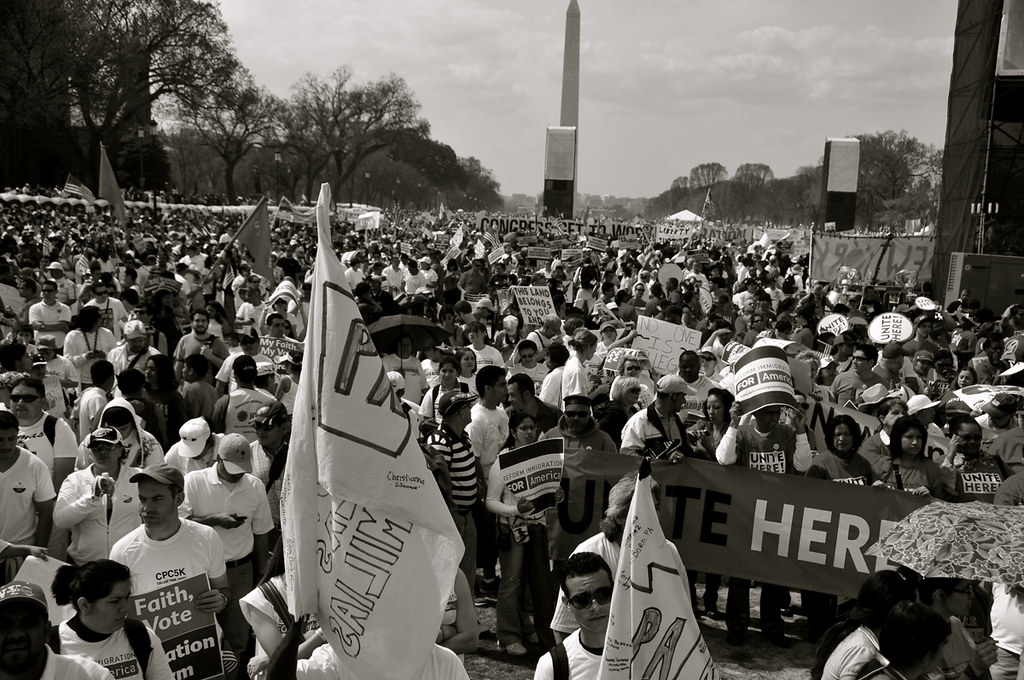
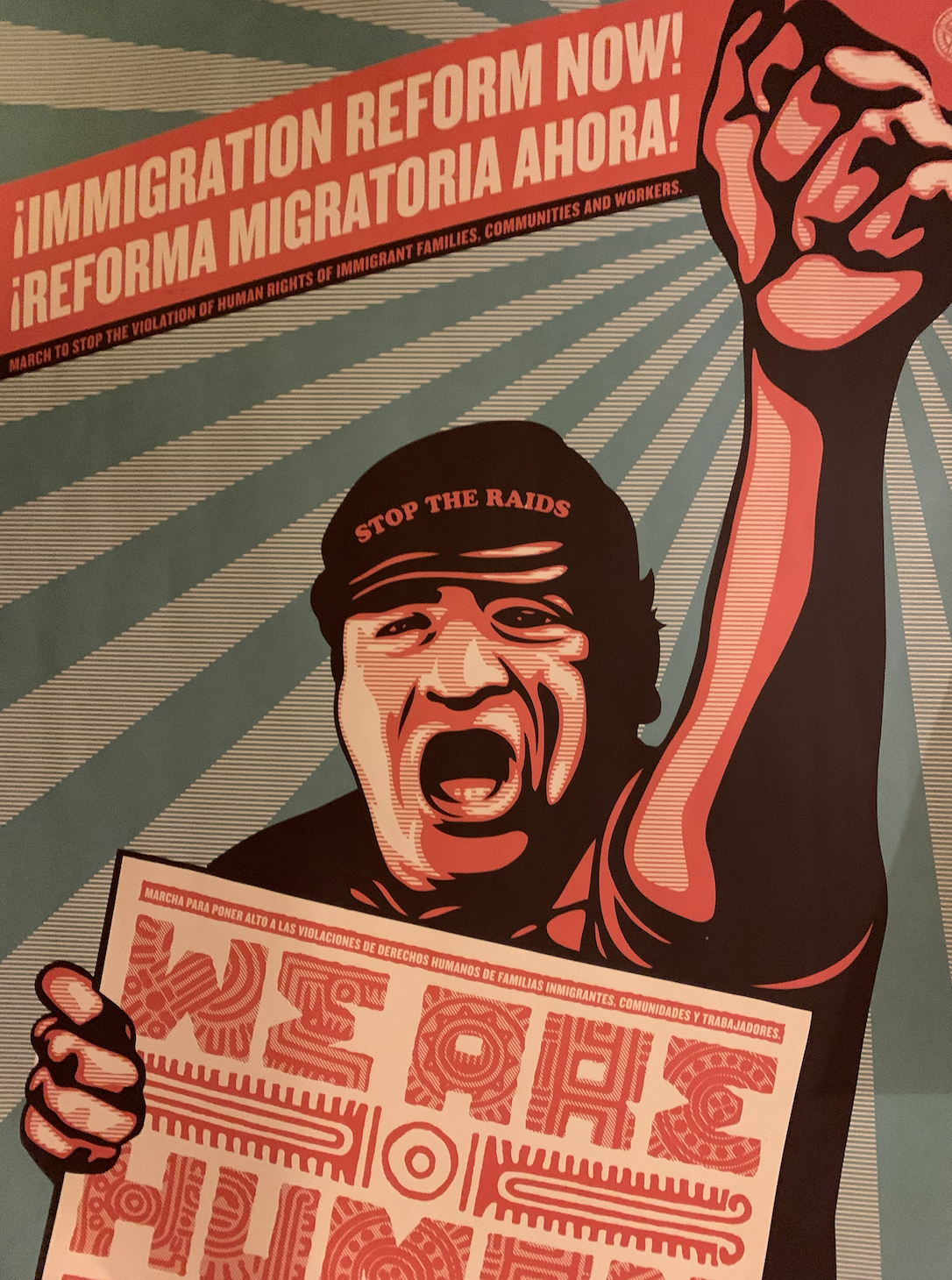
          The fight for immigration reform has been going on for 37 years, the immigrant community’s work has lifted up hundreds of towns in the United States. Ray’s story is one of millions who work and contribute every day. Photo by Obed Arango, Washington DC.

          While I had been hauling dirt for two hours, Antonio had been moving buckets of paint all day. He eased himself out of his car stiffly and stepped heavily onto the hot sidewalks of Norristown. But he wasted no time picking up a spade and scraping double shovels of dirt in double time. He poured 50-pound loads into the community garden beds as easily as he might have poured himself a glass of water. It was the same movement I had made less gracefully before he arrived, but worried about my uncalloused hands, he insisted on lifting it himself. 

          Antonio almost talked faster than he worked. With one eyebrow raised, he waved his shovel like an extension of his hand and confided the misadventures of his day to a stranger with the animation of a standup comedy performance.

          But there was a stark contradiction between Antonio’s humor and the intensity of his day. He had been sanding and varnishing the interior of an office building without ventilation. Although he had asked, his bosses would not give him protective equipment, and the flimsy masks and goggles they used didn’t block fine-grain paint particles from floating into his lungs. The dust, he said pausing seriously for a moment, was killing him.

          As one of the few groups in Philadelphia not part of a worker’s union and one of the many people without legal documentation for his presence in the United States, Antonio was not in a position to bargain. He could find a new job–which would almost certainly have the same conditions–or he would find his way back to Mexico.

          The garden we were preparing was a small and well-kept corner of the sprawling and beaten-down suburb of Norristown. It is the type of suburb that could be called a political “money pit.” Characterized by the news as hopelessly ridden with violent crime, gang activity, and drugs, national and local politicians have concluded that less, instead of more, needs to be spent on overburdened social services, judicial processes, and education systems.

          The crumbling facades of large manors, converted into small rental units, and cracked pavement laid over what were once carefully placed brick roads are the symptoms of urban decline characteristic of many regions of the United States. After Philadelphia’s prosperity sprawled into the surrounding hills in the 1850’s a time bomb of industrial decline began. By the middle of the 20th century jobs and white immigrant families, now made up of multigenerational US citizens, moved elsewhere. Attracted by cheap rent, minoritized groups gathered, commuting to the city center to clean, build, landscape, cook, and serve.

          Norristown’s poverty rate (18.4%), and crime rate (24.7 per 1,000 residents) remain far above the national and state average. However, its low unemployment rate (5.1%) indicates that the work ethic of the area’s residents is not to blame for its problems. This was a message made clear to me working alongside Antonio and other members of the Latine community in Norristown– now an immigrant enclave. In a place where there is little spare money, community members at the Art Center continue to invest their time and energy bettering their corner of America.

          Every day that I came to the Art Center, Antonio was there. After his workday, and before evening mass, he would rewire the Art Center’s electricity, fix their plumbing, replace their floors, build their garden beds, and attend to emergencies at the Art Center, Antonio needed a second job and  the Art Center gave it to him. The Art Center  was instrumental in enabling Antonio to fulfill his commitments here and in Mexico for two years. But still, if Antonio’s pay could have been put into a bank account– a privilege not afforded to undocumented migrants– there would not have been much to save after supporting his small family in the United States and paying for his two children’s medical school in Mexico. When given the luxury of a day off, Antonio would drive double his usual two-hour commute to take his daughter and her friends to the beach in New Jersey.

          He laughed, glowing with pride, as he showed me photos of his little “fashionista.” She posed by the sea with her hand on her hip and huge butterfly sunglasses. She wanted to visit the beach in Mexico, he said, but if she crossed the border, would not be allowed to come back. Antonio had carried her with him across the Rio Grande before she could walk herself.

           In a school system where she would likely be exposed to violence and drugs before the age of 14, Norristown represented a sparse “American dream” for Antonio and his family. Work ethic and family values are not always enough for immigrants to overcome the precarity of impoverished communities and lack of social security blanket. Despite politicians’ characterization of Mexicans as a blight on American resources, The Art Center demonstrates that migrant’s success are in spite of, rather than a result of the U.S. government.

          Just as Mexicans fill the gaps in America’s labor force, doing jobs that many Americans will not do, places like The Art Center fill the gaps left by politicians in immigrant enclaves. Community health circles take the place of Medicare or Medicaid. After-school programs provide a safe place with Spanish language services for children, and college prep for adolescents. The community leans on one another for skills they as individuals do not have: legal help, construction know-how, or home-cooked meals in hard times.

          The Art Center had been built by people like Antonio, who give pieces of their time, energy, and effort–to create a place that’s secure in a situation of precarity. For a group that’s frequently accused by politicians of failing to assimilate, care for, or invest in their new homeland, the members of the Art Center pour an extraordinary amount of time and energy into neighborhoods that even politicians prefer to ignore. They beautify streets and homes, pay taxes, and start businesses to convert rough blocks into thriving communities.

          Working in the community garden this summer, Antonio easily did double the work that I could. However the work of migrant communities to compensate for their lack of rights is always twofold. 

          Español:

          Condiciones vs carácter: la lucha de los inmigrantes en Norristown 

          Una contra-narrativa de la migración

          Por Glynn Boltman

          Mientras yo llevaba dos horas acarreando tierra, Antonio llevaba todo el día moviendo baldes de pintura. Salió de su coche con mucho cuidado y pisó pesadamente las aceras calientes de Norristown. Pero no perdió tiempo en coger una pala y hacer dos paladas de tierra en la mitad del tiempo que yo. Vertió cargas de 25 kilos en las jardineras comunitarias con la misma facilidad con la que se hubiera servido un vaso de agua. Era el mismo movimiento que yo había hecho con menos gracia antes de que él llegara, pero preocupado por mis manos sin callos, insistió en levantarlo él mismo.

          Antonio casi hablaba más rápido de lo que trabajaba. Con una ceja levantada, agitaba su pala como una extensión de su mano y le confiaba las desventuras de su día a un desconocido con la animación de un monólogo cómico.

          Pero había una clara contradicción entre el humor de Antonio y la intensidad de su día. Había estado lijando y barnizando el interior de un edificio de oficinas sin ventilación. Aunque había pedido, sus jefes no le dieron equipo de protección, y las endebles máscaras y gafas que usaban no impedían que las partículas de pintura de grano fino flotaran hacia sus pulmones. El polvo, dijo haciendo una pausa seria por un momento, lo estaba matando.

          Como uno de los pocos grupos en Filadelfia que no formaba parte de un sindicato de trabajadores y una de las muchas personas sin documentación legal para su presencia en los Estados Unidos, Antonio no estaba en posición de negociar. Podía encontrar un nuevo trabajo, que casi con certeza tendría las mismas condiciones, o encontraría la manera de regresar a México.

          El jardín que estábamos preparando era un pequeño y bien cuidado rincón del extenso y decaído suburbio de Norristown. Es el tipo de suburbio que podría llamarse un “pozo de dinero” político. Caracterizado por las noticias como una situación sin esperanza plagado de crímenes violentos, actividad de pandillas y drogas, los políticos nacionales y locales han llegado a la conclusión de que es necesario gastar menos, en lugar de más, en servicios sociales sobrecargados, procesos judiciales y sistemas educativos.

          Las fachadas desmoronadas de las grandes mansiones, convertidas en pequeñas unidades de alquiler, y el pavimento agrietado que cubre lo que antes eran calles de ladrillo cuidadosamente colocadas son los síntomas de la decadencia urbana característica de muchas regiones de los Estados Unidos. Después de que la prosperidad de Filadelfia se extendiera a las colinas circundantes en la década de 1850, comenzó una bomba de tiempo de decadencia industrial. A mediados del siglo XX, los empleos y las familias inmigrantes blancas, ahora compuestas por ciudadanos estadounidenses multigeneracionales, se mudaron a otros lugares. Atraídos por los alquileres baratos, los grupos minoritarios se reunieron, viajando al centro de la ciudad para limpiar, construir, arreglar el paisaje, cocinar y servir.

          La tasa de pobreza de Norristown (18,4%) y la tasa de criminalidad (24,7 por cada 1.000 residentes) siguen estando muy por encima del promedio nacional y estatal. Sin embargo, su baja tasa de desempleo (5,1%) indica que la ética laboral de los residentes de la zona no es la culpable de sus problemas. Este fue un mensaje que me quedó claro cuando trabajé junto a Antonio y otros miembros de la comunidad latina en Norristown, ahora un enclave de inmigrantes. En un lugar donde los recursos son limitados, los miembros de la comunidad del Centro de las Artes dedican su tiempo y energía a mejorar su rincón en los Estados Unidos.

          Todos los días que fui al Centro de las Artes, Antonio estaba allí. Después de su jornada laboral y antes de la misa vespertina, él reparaba el sistema eléctrico del centro comunitario, arreglaba las tuberías, reemplazaba los pisos, construía los canteros del jardín y atendía las emergencias en el centro comunitario, pues necesitaba un segundo trabajo. El Centro de las Artes fue fundamental para para que  Antonio cumpliera con sus compromisos aquí y en México durante dos años.

          Sin embargo, Antonio apesar de tener dos empleos, si hubiera podido depositar en una cuenta bancaria (un privilegio que no se otorga a los inmigrantes indocumentados), no habría habido mucho que ahorrar después de mantener a su pequeña familia en los Estados Unidos y pagar la escuela de medicina de sus dos hijos en México. Cuando se daba el lujo de un día libre, Antonio conducía el doble de su viaje habitual de dos horas para llevar a su hija y sus amigas a la playa en Nueva Jersey.

          Se rió, radiante de orgullo, mientras me mostraba fotos de su pequeña “fashionista”. Ella posó junto al mar con la mano en la cadera y enormes gafas de sol con forma de mariposa. Dijo que quería visitar la playa en México, pero que si cruzaba la frontera no le permitirían regresar. Antonio la había llevado con él a través del Río Grande antes de que pudiera caminar sola.

          En un sistema escolar en el que probablemente estaría expuesta a la violencia y las drogas antes de los 14 años, Norristown representaba un “sueño americano” escaso para Antonio y su familia. La ética laboral y los valores familiares no siempre son suficientes para que los inmigrantes superen la precariedad de las comunidades empobrecidas y la falta de una cobertura de seguridad social. A pesar de la caracterización de los mexicanos por parte de los políticos como una “plaga” para los recursos estadounidenses, el Centro de las Artes demuestra que el éxito de los inmigrantes se debe a pesar del gobierno de Estados Unidos, y no es un resultado del mismo, sino de su esfuerzo organizado.

          Así como los mexicanos llenan los vacíos en la fuerza laboral de Estados Unidos, haciendo trabajos que muchos estadounidenses no hacen, lugares como el Centro de las Artes llenan los vacíos que dejan los políticos en los enclaves de inmigrantes. Los círculos de salud comunitarios sustituyen a Medicare o Medicaid. Los programas extraescolares ofrecen un lugar seguro con servicios en español para niños y preparación universitaria para adolescentes. La comunidad se apoya entre sí para obtener habilidades que, como individuos, no tienen: ayuda legal, conocimientos de construcción o comidas caseras en tiempos difíciles.

          El Centro de las Artes ha sido levantado por personas como Antonio, que dan parte de su tiempo, energía, y esfuerzo para crear un lugar seguro en una situación de precariedad. Para un grupo al que los políticos acusan con frecuencia de no asimilar, cuidar o invertir en su nueva patria, los miembros de el Centro de las Artes dedican una cantidad extraordinaria de tiempo y energía a barrios que incluso los políticos prefieren ignorar. Embellecen calles y casas, pagan impuestos y ponen en marcha empresas para convertir bloques de viviendas en comunidades prósperas.

          Al trabajar en el huerto comunitario este verano, Antonio fácilmente hizo el doble de trabajo que yo. El trabajo de las comunidades migrantes para compensar su falta de derechos siempre es doble.

          Glynn Boltman

          Glynn Boltman is originally from Reno, Nevada, and is an international relations major at the University of Pennsylvania. Glynn also collaborates at CCATE at the family cycling program.

          Glynn Boltman es originaria de Reno, Nevada, y se especializa en relaciones internacionales en la Universidad de Pensilvania. Glynn también colabora en CCATE en el programa de ciclismo familiar.

            • « Go to Previous Page
            • Page 1
            • Page 2
            • Page 3
            • Page 4
            • Interim pages omitted …
            • Page 7
            • Go to Next Page »

            Hit the ground running with a minimalist look. Learn More

            Copyright © 2026 · Monochrome Pro on Genesis Framework · WordPress · Log in

            • Instagram
            • Facebook