• Skip to primary navigation
  • Skip to main content

REVARTE

  • Home
  • About
    • REVARTE Collective
  • Issues
    • Número 8
    • Número 7 · 2025
    • Número 6 · 2024
    • Número 5 · 2024
    • Número 4 · 2023
    • Número 3 · 2023
    • Número 2 · 2023
    • Número 1 · 2022
  • Secciones / Sections
    • LITERATURA
    • JUVENTUD
    • ENSAYO
    • COMUNIDAD
    • MEDIA
  • Subscribe
  • Contribute
  • Show Search
Hide Search

RevarteColectiva

Recomendación literaria del editor

RevarteColectiva · April 15, 2024 · Leave a Comment

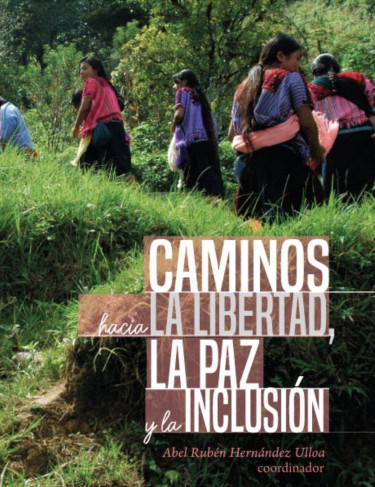
“Caminos hacia la libertad, la paz y la inclusión” 
Click here for English version

“La colección de textos en este libro es un testamento poderoso y conmovedor sobre la complejidad de nuestras realidades, y de las realidades que nos rodean. Su diversidad de autores y sus trasfondos, y su enfoque en la ciudadanía y la justicia global, en la educación inclusiva y la educación de paz, en la voz y liderazgo de la cgomunidad, en los derechos y la liberación de comunidades indígenas son aplicaciones claras de nuestra complejidad como raza humana”. Dr. Daniel Pascoe, 2021.

“Caminos hacia la Libertad, la paz y la inclusión” coordinado por el Dr. Abel Hernández Ulloa, profesor de educación en la Universidad de Guanajuato, es un libro clave para entender varios de los retos actuales que enfrenta el mundo, al menos esta parte del hemisferio,  en el área educativa y en los que las universidades, y los sistemas educativos han caído en la trampa de la globalización y el neoliberalismo y han creado así modelos tecnocráticos, orientados a resultados y estándares que sirven para el mismo modelo globalizante, pero que resultan deshumanizantes para los habitantes. 

El libro conjunta una diversidad de autores de diversas latitudes y contextos, y presenta una diversidad de análisis y perspectivas, y quizá lo más importante es que muestra ejemplos claros de esfuerzos educativos, “humanizadores y dialógicos”, para ponerlo en palabras del educador brasileño Paulo Freire (1996) quien es un referente transversal capítulo a capítulo. 

El libro resalta la diversidad de grupos que han crecido al margen de los sistemas educativos y que sufren opresión, no como un concepto abstracto, sino que de manera concreta viven y sufren a sistemas de explotación global en sus comunidades, que ha resultado en sobre explotación de sus territorios, transformación de sus tierras en zonas turísticas o de gozo de las clases privilegiadas, y el campesino se convierte en guía de turistas, o el pescador en vendedor de golosinas, el obrero tiene que aceptar condiciones indignas para no sufrir  desempleo, y en las montañas la minería ha creado un círculo de pobreza y de condiciones insalubres para millones de trabajadores que al caer en una dependencia corporativa tienen que encontrar otras latitudes.  En este círculo de opresión también se sufre con los años el deterioro del medio ambiente irreversible, y la falta de modelos de desarrollo sustentable acaban con espacios antes hermosos en los cuales las poblaciones habían encontrado un equilibrio, hoy esas poblaciones se ven forzados a cruzar fronteras y arriesgar sus vidas por un mejor futuro, porque el presente es insostenible. 

Ante estas circunstancias ¿Cuáles caminos existen para una verdadera libertad, una verdadera paz y una inclusión plena en los sistemas sociales y en el mundo? Parece una utopía, un título difícil de sostenerse en la realidad. Sin embargo, el libro aterriza con ejemplos locales que ejercen esa “utopía”, en modelos concretos de acción y reflexión, y que rompen con los modelos tradicionales de servicios sociales clientelares, el libro afirma la agencia social de las poblaciones a partir de la humanización de los modelos educativos que integran de manera interdisciplinaria las historias, y los saberes para así marcar retos epistemológicos inevitables. Si bien la globalización es un fenómeno irreversible y sus consecuencias se sienten en muchos campos de la vida humana, este libro nos recuerda que de igual manera  existen reflexiones y movimientos educativos de impacto comunitario de los cuales se pueden generar  diversos caminos para la libertad, la paz y la inclusión.


English Version:

Editor’s Literary Recommendation:

Paths to Freedom, Peace and Inclusion

“The collection of texts in this book is a powerful and moving testament to the complexity of our realities, and the realities that surround us. Its diversity of authors and their backgrounds, and its focus on citizenship and global justice, inclusive education and peace education, on community voice and leadership, on the rights and liberation of indigenous communities are clear applications of our complexity as a human race.” Dr. Daniel Pascoe, 2021.

“Paths to Freedom, Peace and Inclusion” coordinated by Dr. Abel Hernández Ulloa, professor of education at the University of Guanajuato, is a key book to understand several of the current challenges facing the world, at least this part of the hemisphere, in the educational area and in which universities and educational systems have fallen into the trap of globalization and neoliberalism and have thus created technocratic models, oriented to results and standards that serve the same globalizing model, but that are dehumanizing for the inhabitants.

The book brings together a diversity of authors from different latitudes and contexts and presents a diversity of analyses and perspectives, and perhaps most importantly, it shows clear examples of educational efforts, “humanizing and dialogic,” to put it in the words of the Brazilian educator Paulo Freire (1996) who is a transversal reference chapter by chapter.

The book highlights the diversity of groups that have grown up outside of educational systems and that suffer oppression, not as an abstract concept, but rather that in a concrete way they live and suffer from systems of global exploitation in their communities, which has resulted in overexploitation. of their territories, the transformation of their lands into tourist areas or areas of enjoyment for the privileged classes, and the farmer becomes a tourist guide, or the fisherman a candy seller, the worker has to accept unworthy conditions in order not to suffer unemployment, and In the mountains, mining has created a circle of poverty and unhealthy conditions for millions of workers who, upon falling into corporate dependency, have to find other latitudes. In this circle of oppression, the irreversible deterioration of the environment is also suffered over the years, and the lack of sustainable development models ends with previously beautiful spaces in which populations had found a balance, today these populations are forced to cross borders. and risk their lives for a better future, because the present is unsustainable.

Given these circumstances, what paths exist for true freedom, true peace, and full inclusion in social systems and in the world? It seems like a utopia, a title that is difficult to sustain in reality. However, the book lands with local examples that exercise this “utopia”, in concrete models of action and reflection, and that break with the traditional models of clientelist social services, the book affirms the social agency of populations based on humanization. of educational models that integrate stories and knowledge in an interdisciplinary manner to mark inevitable epistemological challenges. Although globalization is an irreversible phenomenon and its consequences are felt in many fields of human life, this book reminds us that there are also reflections and educational movements with community impact from which various paths can be generated for freedom, peace, and inclusion.
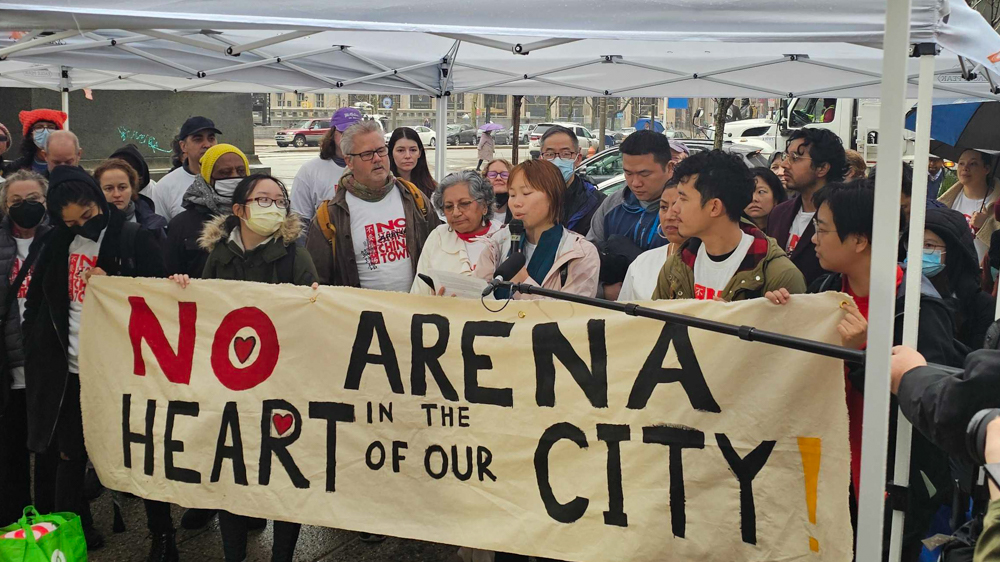
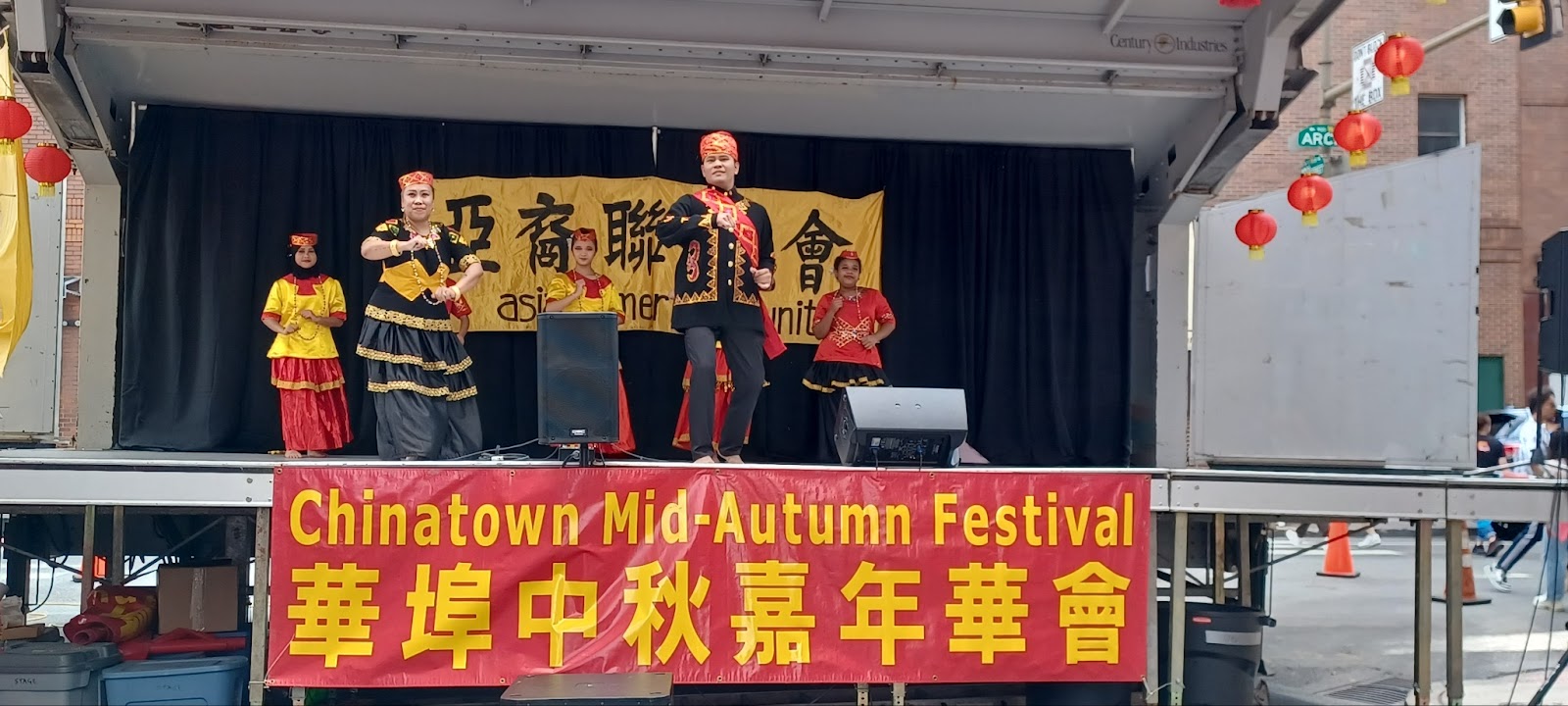
La diversidad en acción para oponerse a la edificación del estadio 76ers

RevarteColectiva · April 15, 2024 · Leave a Comment

por Leticia Roa Nixon

Click here for English version

Los barrios chinos en los Estados Unidos y Canadá ha sido reducidos drásticamente por proyectos urbanos desde hace mucho tiempo. La gentrificación y el desarrollo urbano  en Washington, San Luis y en otras ciudades son prueba de la reducción de estas comunidades.

Este año, el concejo municipal de Filadelfia tendrá que decidir si aprueba la edificación del estadio del  equipo de baloncesto local, los 76ers en la calle Market esquina con la 11, a una cuadra del barrio chino. Este plan fue propuesto en el verano de 2022 con optimismo por parte de la corporación 76 Devcorp afirmando que será una inversión de 1.3 billlones de dólares. De aprobarse este proyecto, la inauguración planeada del estadio sería en 2031. Los Sixers son inquilinos del Centro Wells Fargo, una instalación que comparten con Flyers ,el equipo de  hockey sobre hielo local, “Flyers”.

Sus argumentos principales para mudarse al centro de la ciudad son porque quieren tener su propio horario de uso del lugar y porque necesitan un estadio de vanguardia para que el equipo sea competitivo en la Asociación Nacional de Beisbol.

El atractivo que enfatizan es la generación de empleos, ingresos fiscales y la revitalización de esas cuadras que están ocupadas actualmente por el centro comercial Fashion District.

Sin embargo, los residentes  y comerciantes del barrio chino se oponen de manera abrumadora al estadio, pues podría destruir el vecindario de 150 años de existencia, por el congestionamiento vial, las prediales más elevadas y el aumento de las rentas. La líder del primer precinto, Kathleen Melville ha dicho que la ciudad no necesita un estadio que estaría vacío la mayoría de los días de año cuando hay cantidad de proyectos que necesitan llevarse a cabo en Filadelfia, como son la construcción de vivienda asequible y nuevas escuelas.

Por su parte, la comunidad afectada anunció el 9 de enero de 2023  la formación de la “Coalición del Barrio Chino que se Opone al Estadio” integrada por más de 40 grupos comunitarios de esa zona histórica, así como de organizaciones comerciales y otras sin fines de lucro. La Corporación de Desarrollo del Barrio Chino de Filadlfia se opuso formalmente a ese proyecto en marzo de 2023.

Los estadios han tenido un efecto de gentrificación en las comunidades de color de bajos eingresos en el país como son Los Ángeles, Seattle, la ciudad de Nueva York y Atlanta. El Estadio Capital One en Washington, DC contribuyó al colapso del barrio chino. “No permitiremos que el barrio chino de Filadelifa sea una más de esas historias trágicas”, afirmó la corporación, la cual realizaó una encuesta a más de 230 personasl. Los resultados indicaronn que el 93% de los comerciantes, el 94% de los residentes y el 95% de los visitantes se oponen al estadio de los “Sixers”.

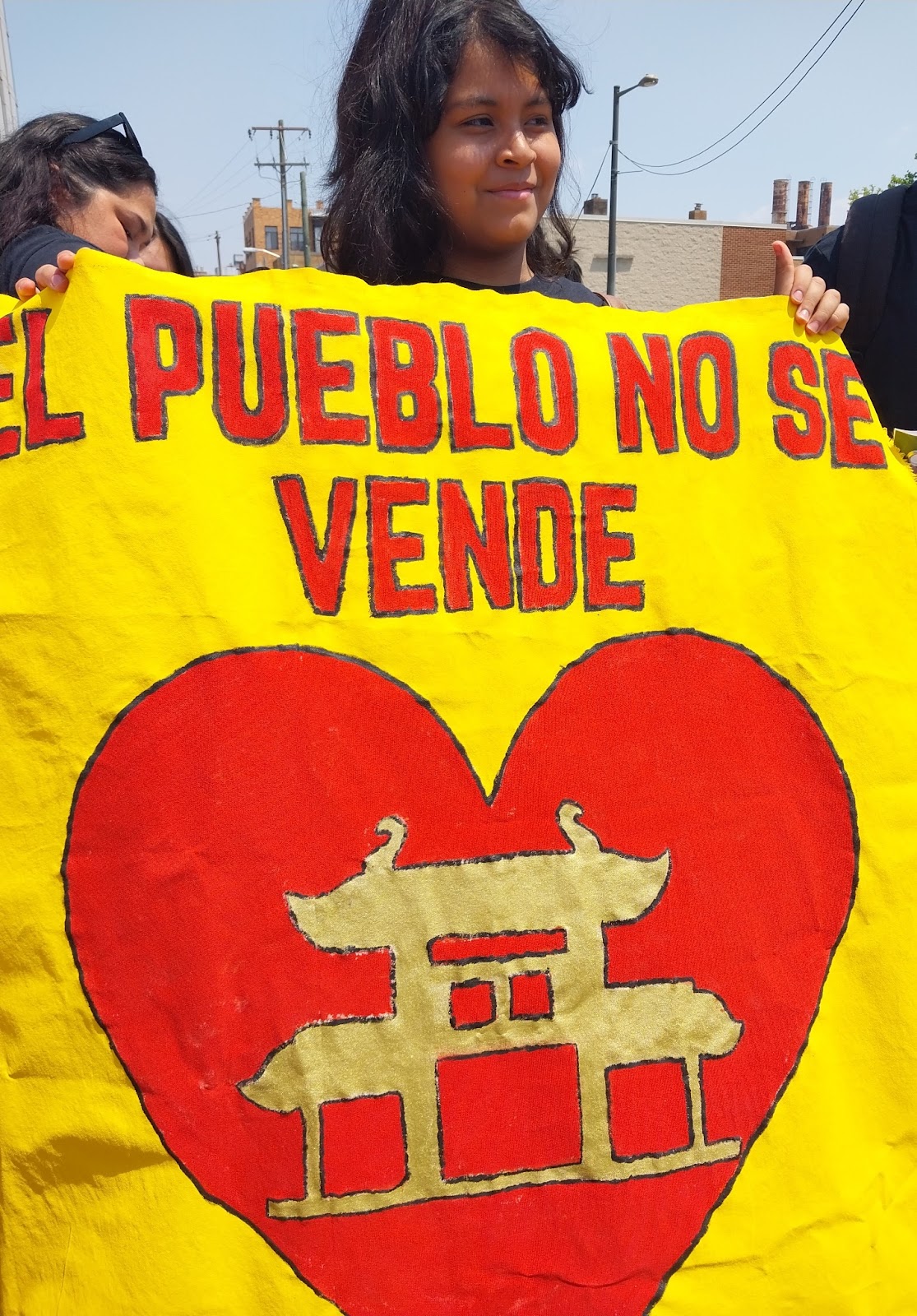
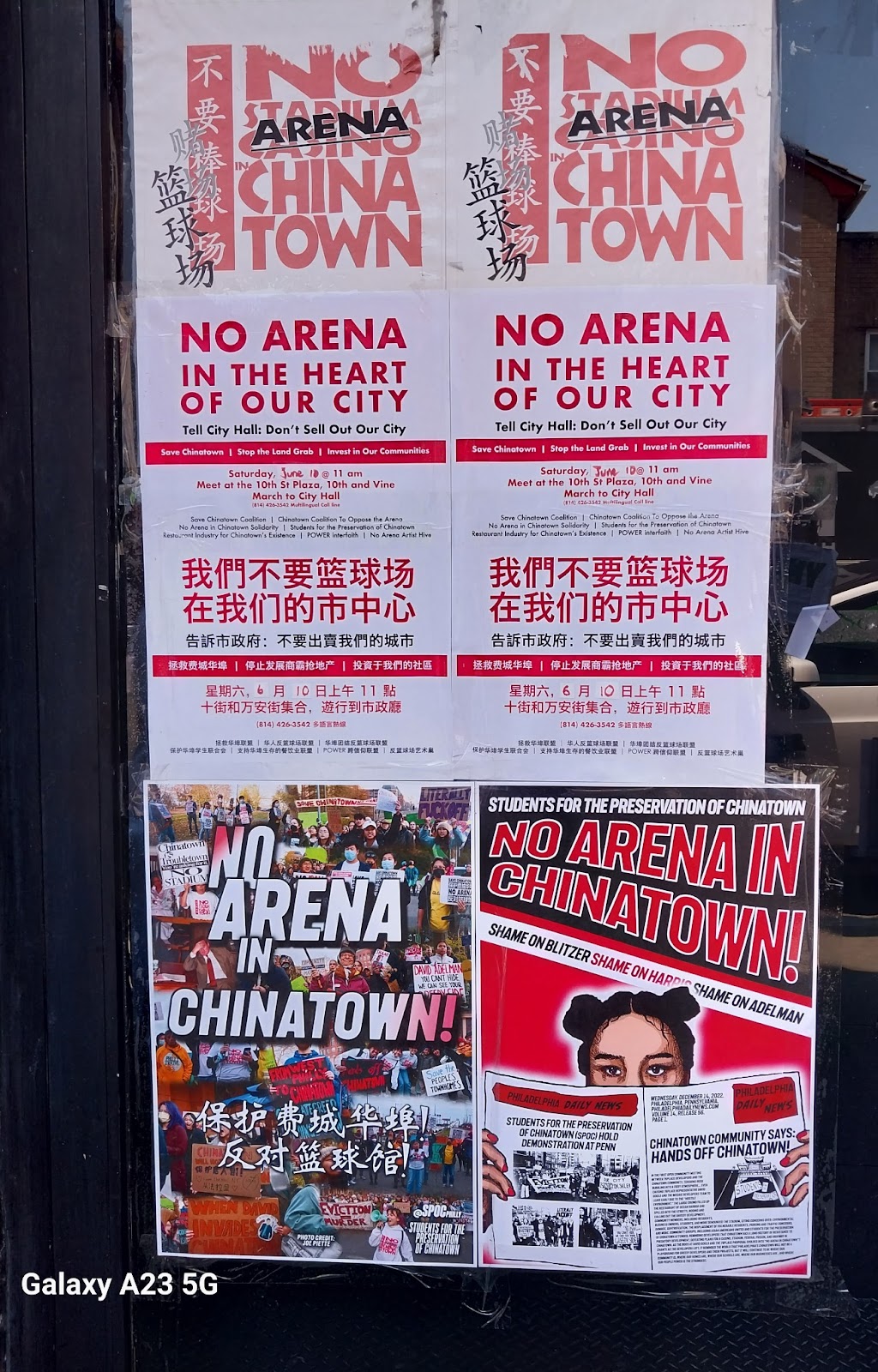
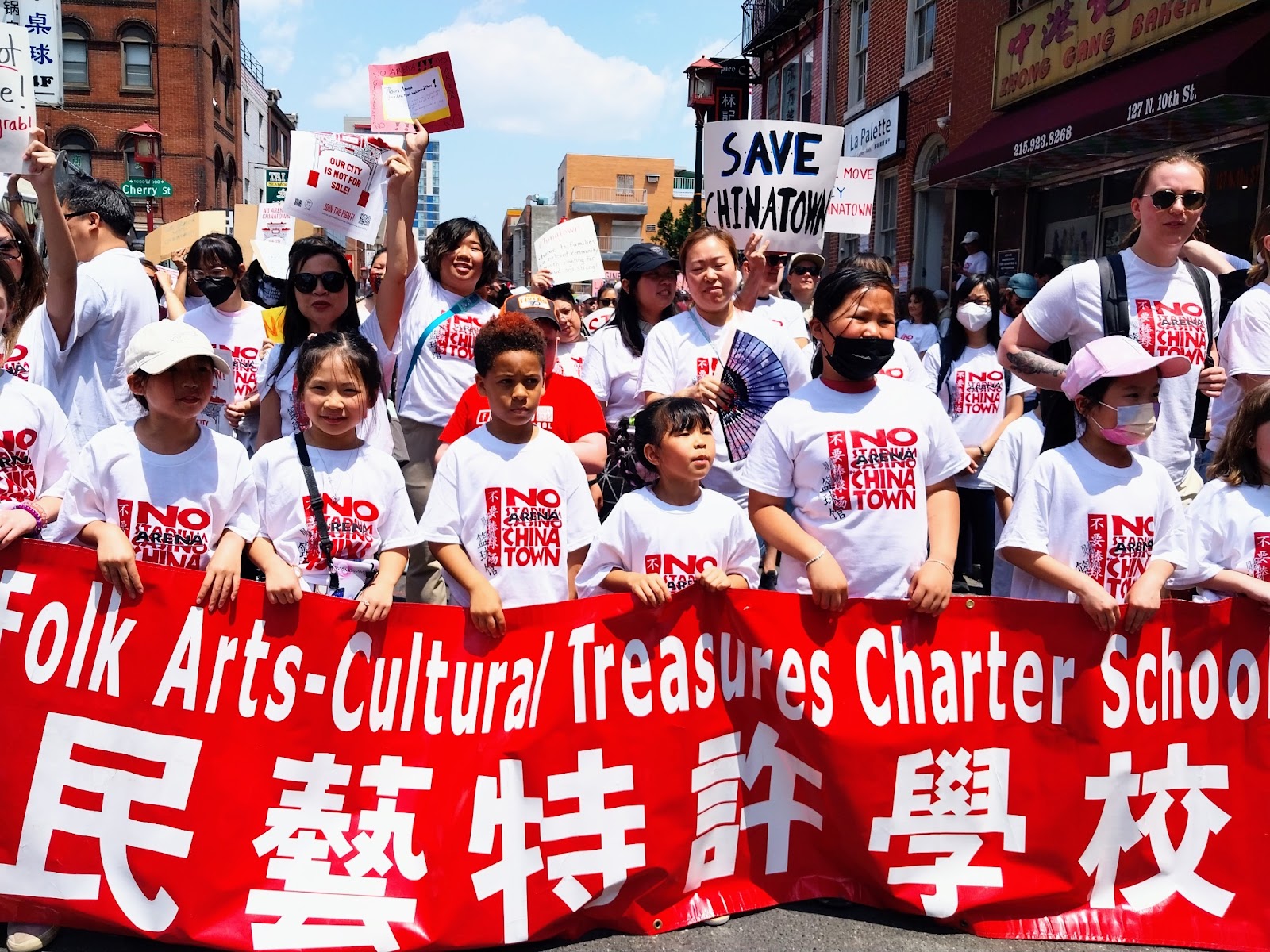
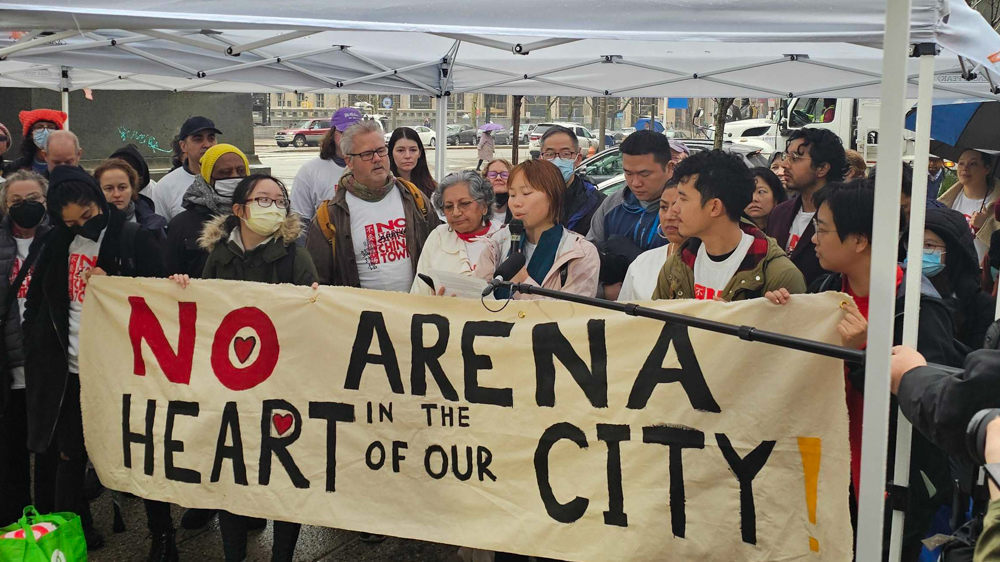
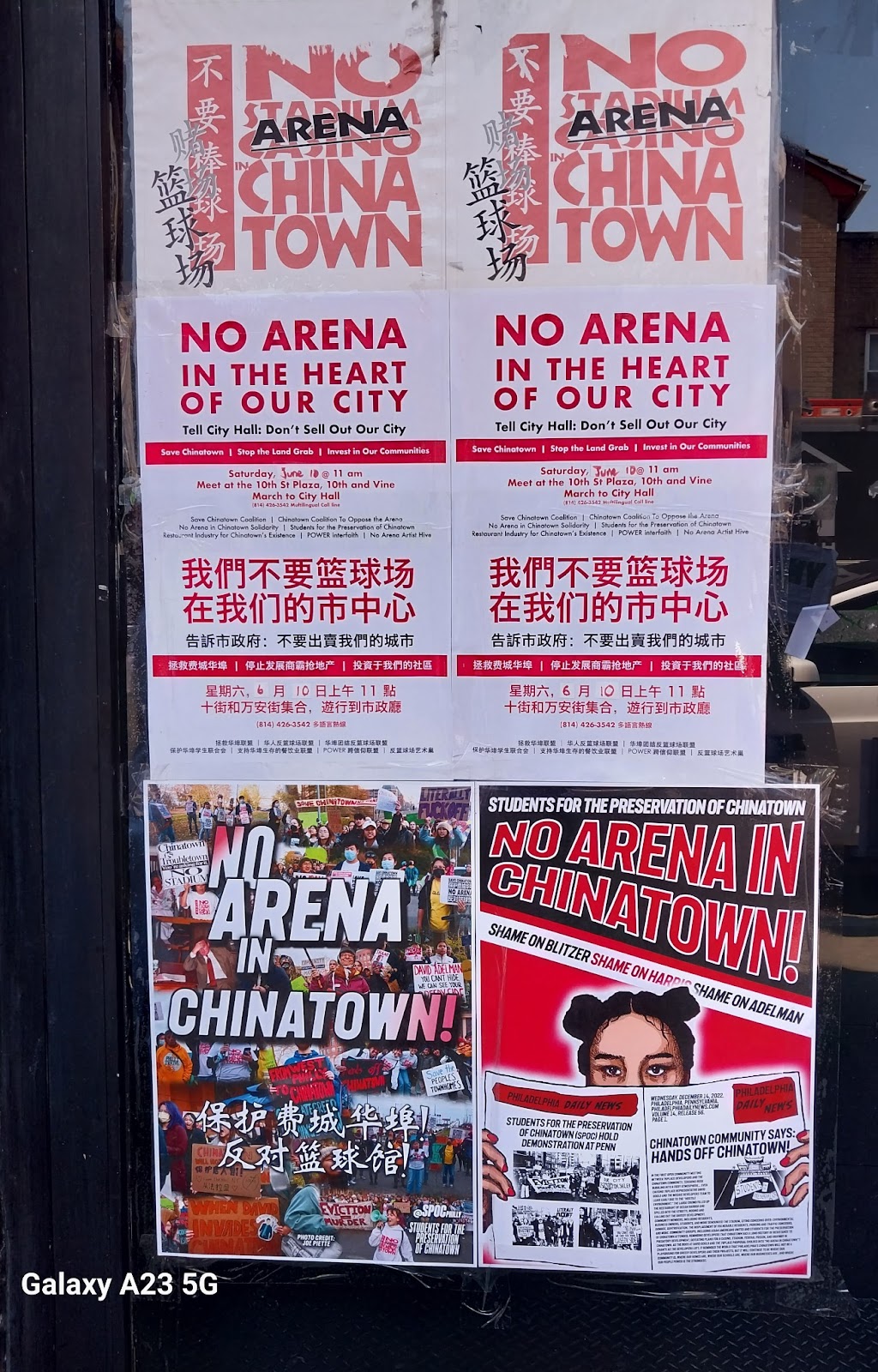
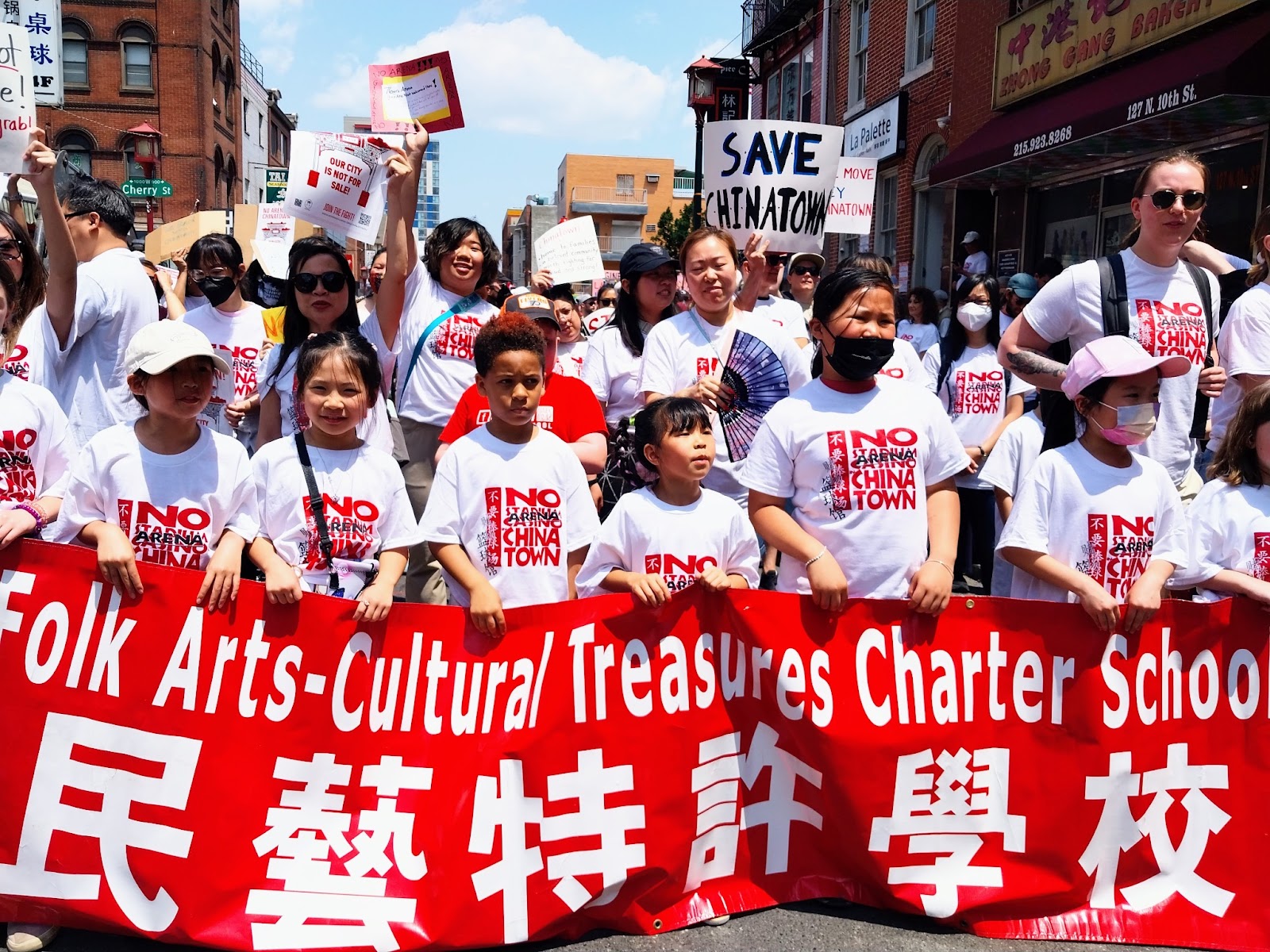
El año pasado se intensificó la defensa de esta área citadina. En abril se entregaron miles de firmas a los miembros del concejo muniicpal de personas que serían impactadas por  esa edificación. Entre otras actividades, el 10 de junio hubo una marcha  multiracial que partió de la esquina de la calle Vine y 10 hasta llegar al ayuntamiento de Filadelfia.

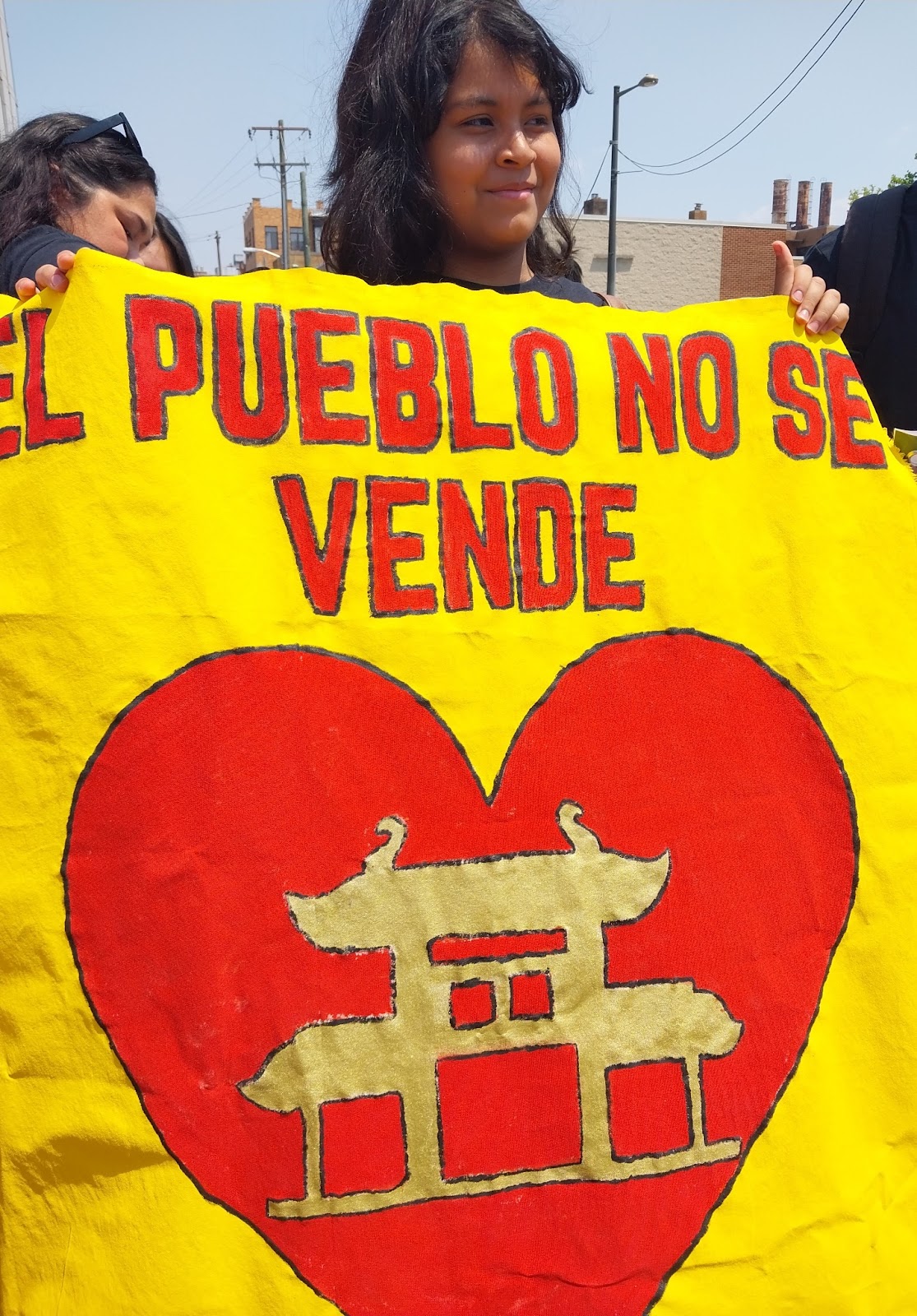
 Aunada a esa diversidad racial que se ha solidarizado con la lucha de la comunidad asiática por defender su barrio, existe la diversidad religiosa con un aliado poderoso, POWER Interfaith, organización sin fines de lucro que cree que la fe puede unirnos más que dividirnos y que las variadas tradiciones de fe exhortan a sus miembros a actuar para hacer las comunidades y la nación un mejor lugar donde vivir.

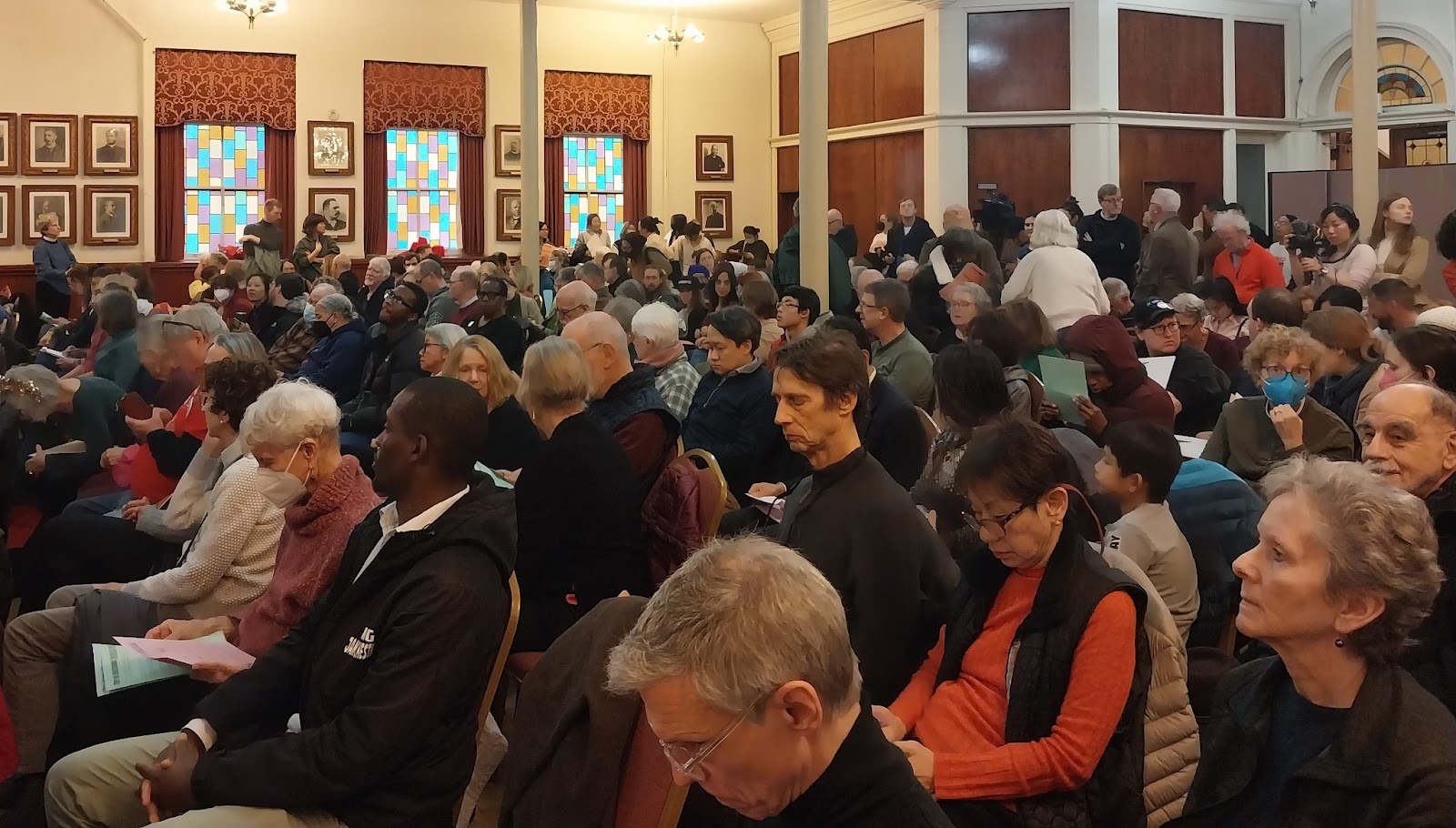
Así, el 17 de diciembre  en colaboración con la iglesia Mother Bethel AME , se reunieron más de 150 personas de fe, clero y residentes del distrito 1 para discutir el impacto de dicho estado haciendo preguntas al demócrata Mark Squilla y tratar de obtener un compromiso de este funcionario público.

Como político más que servidor público, evadió las preguntas más importantes, divagó y no se comprometió a apoyar un 100% a la coalición opositora al proyecto corporativo 76Devcorp.

El 25 de enero de 2024, cuando se realizó la primera reunión del concejo municipal con un nuevo presidente, Kenyatta Johnson y bajo la nueva administración de Cherelle Parker, la primera alcaldesa de Filadelfia, la coalición “Salvemos al barrio chino” organizó una conferencia de prensa y visitas a las oficinas de varios concejales para pedir su apoyo.

Esta coalición  es un grupo multiracial, multigeneracional, interreligioso de más de 245 organizaciones,pequeños negocios, organizaciones comunitarias registradas y congregaciones religiosas dedicadas a la vitalidad de Filadelfia.

El concejal Mark Squilla se desdijo recientemente que no se destinarían fondos públicos para la construcción potencial del estadio del  equipo de baloncesto The Philadelphia 76ers  en el centro de Filadelfia que incluye al barrio chino. Según la  coalición,  el servidor público dejó abierta la puerta para que los contribuyentes subsidien el  estadio. El mensaje para el concejal Squilla fue claro, “ningún finaciamiento público para el estadio”.
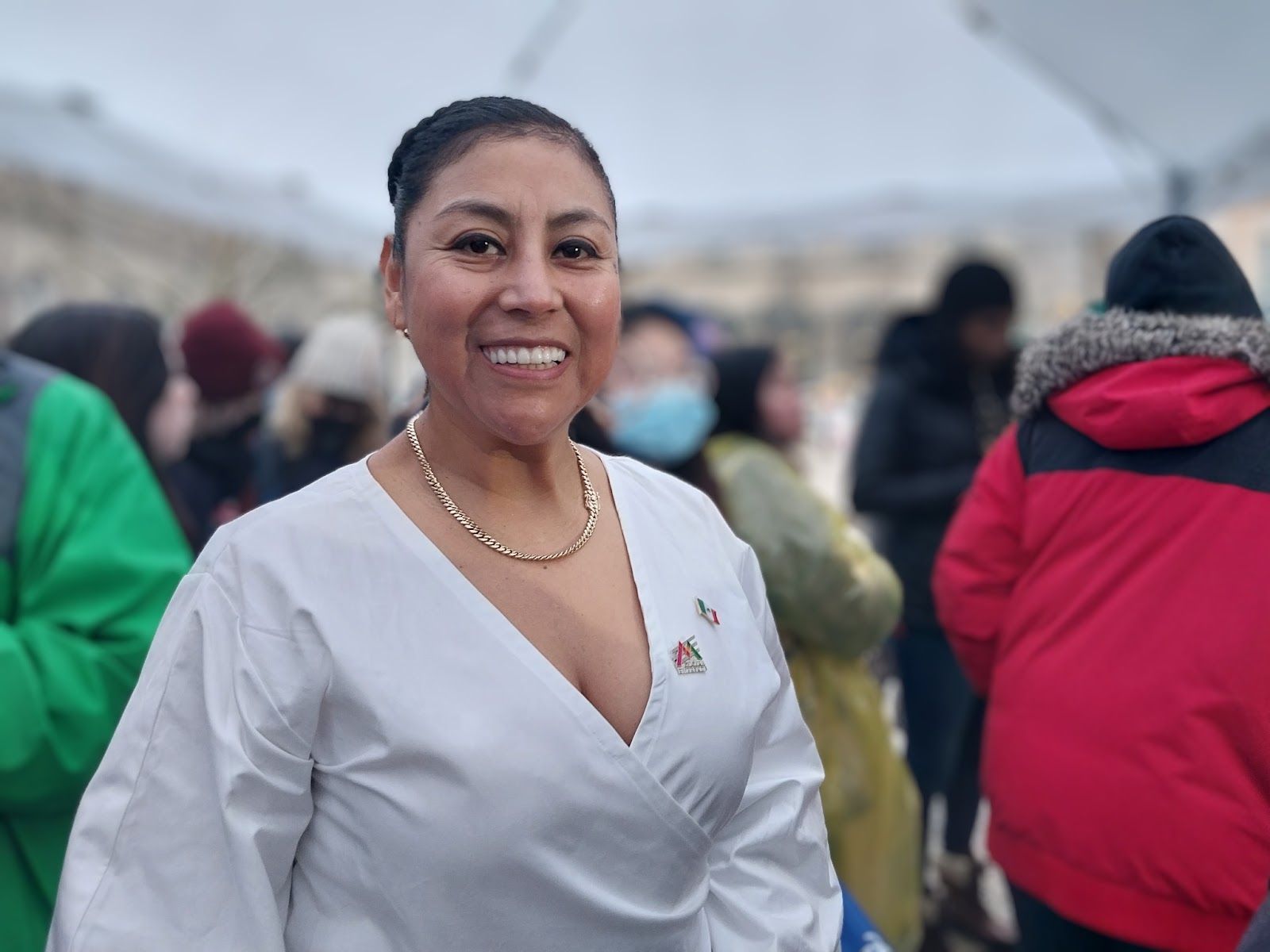
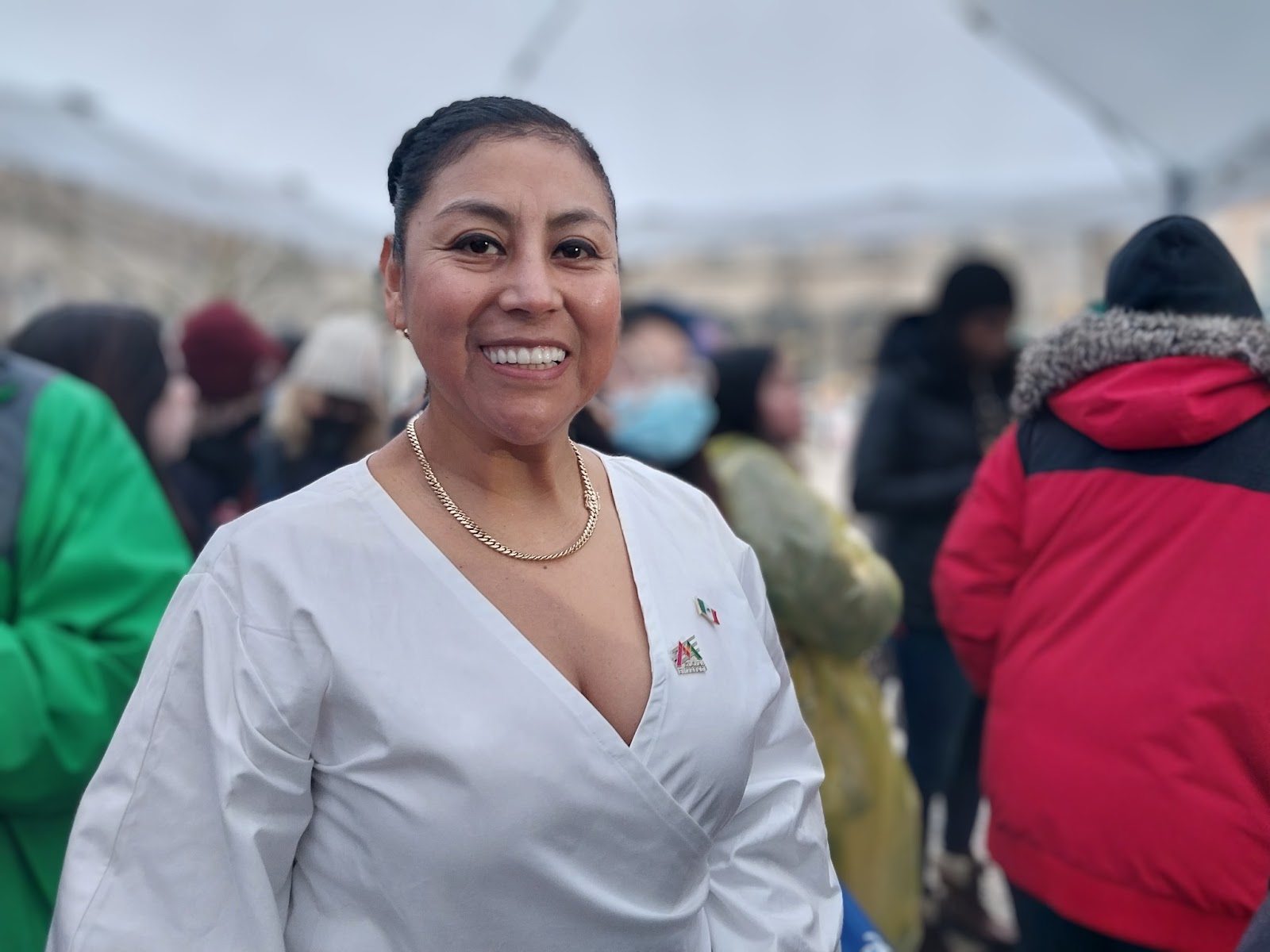
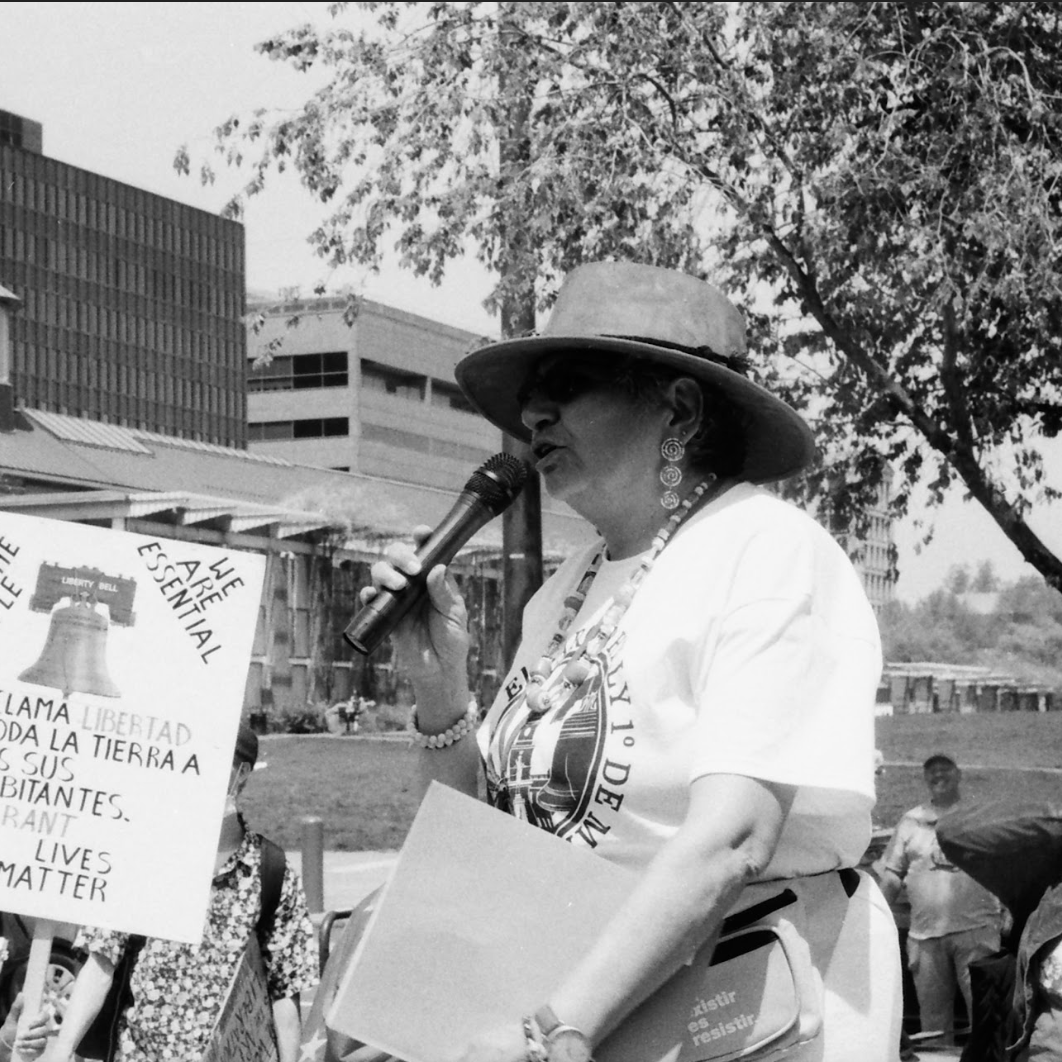
La mexicana Cristina Martinez, chef de South Philly Barbacoa,  ganadora del premio James Beard,  expresó que ella va al barrio chino para sesiones de acupuntura y remedios medicinales, ya que no tiene seguro médico. “Esta comunidad no solo es esencial para mí, sino para miles de personas en especial inmigrantes como yo que dependen de ella. El barrio chino es un ícono de la cultura y gastronomía asi como un hogar donde muchos inmigrantes viven.Quiero ver que continúe sobreviviendo, por eso estoy en contra de la construcción del estadio.”


Jimmy Low, técnico de la sala de emergencias del centro de traumas nivel 1 en el centro de la ciudad,  manifestó que cuando se cierran las calles 10 y 11 por algún evento, se preocupa por la seguridad de sus pacientes.

Por su parte el Rev. Michael Caine, pastor de la iglesia  Old First Reformed UCC en el sector  histórico y copresidente de la mesa directiva de Power Interfaith precisó que “hay muchas otras cosas que merecen y necesitan financiamiento público y no queremos ni necesitamos fondos públicos destinados para un nuevo estadio.”
A su vez, Xu lin, propietario de un comercio en el barrio chino manifestó que se sintió traicionado por el concejal Squilla “le exhorto a que cumpla sus promesas y proteja al barrio chino, una comunidad vibrante que tiene mucho que ofrecer a la ciudad.”

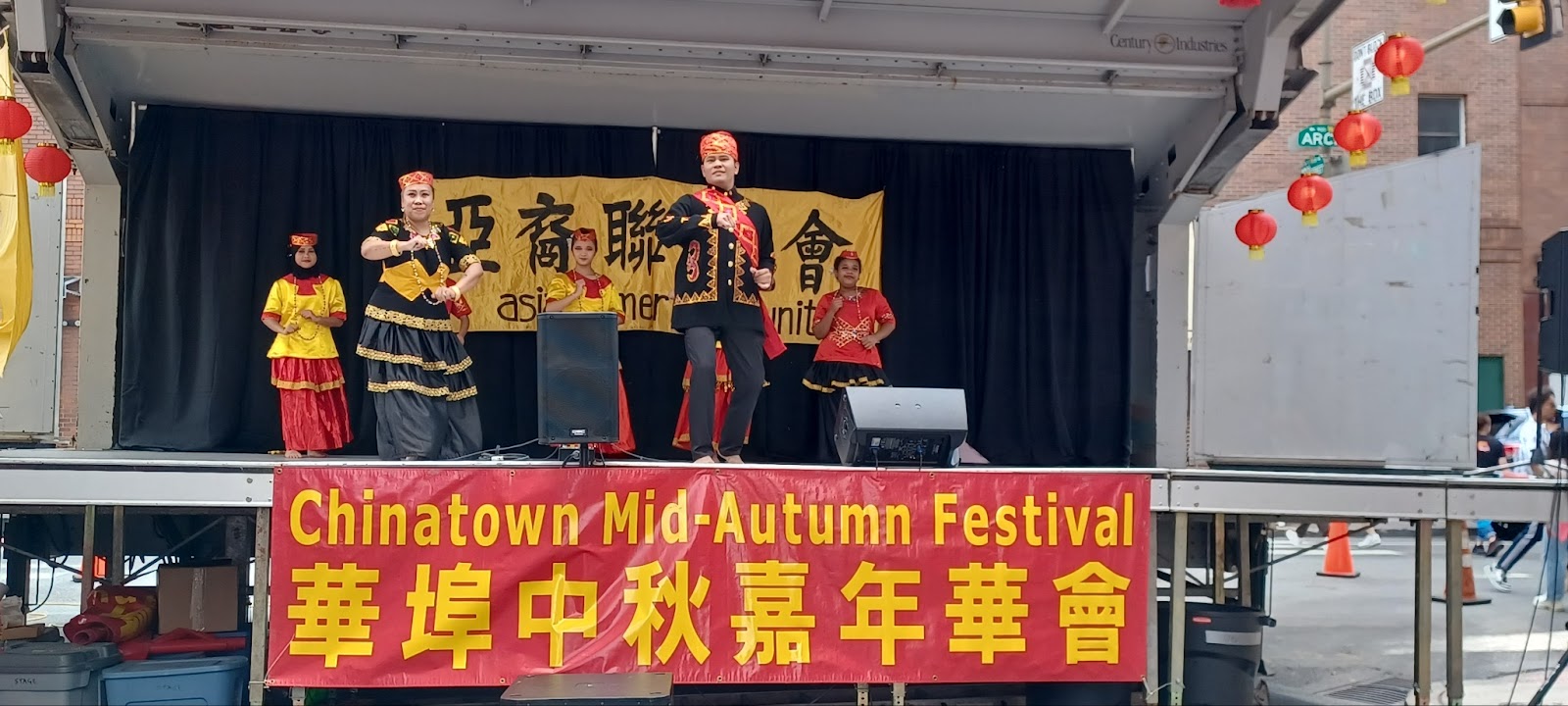
Por primera vez en la historia de la comunidad asiática de Filadelfia, ha habido una diversidad de aliados que se han unido a la defensa del barrio chino de la ciudad. 


English Version:

Diversity in action to oppose the construction of the 76ers stadium

Chinatowns in the United States and Canada have long been drastically reduced by urban projects. Gentrification and urban development in Washington, St. Louis, and other cities are evidence of the shrinking of these communities.

This year, the Philadelphia City Council will have to decide whether to approve the construction of the stadium of the local basketball team, the 76ers, on Market Street and 11th Street, one block from Chinatown. This plan was proposed in the summer of 2022 with optimism by the corporation 76 Devcorp stating that it will be an investment of 1.3 billion dollars. If this project is approved, the planned opening of the stadium will be in 2031. The Sixers are tenants of the Wells Fargo Center, a facility they share with the Flyers, the local ice hockey team, “Flyers.”

Their main arguments for moving downtown are because they want to have their usage schedule and because they need a state-of-the-art stadium for the team to be competitive in the National Baseball Association.

The attraction they emphasize is the generation of jobs, tax revenue, and the revitalization of those blocks that are currently occupied by the Fashion District shopping center.

However, Chinatown residents and merchants overwhelmingly oppose the stadium, which could destroy the 150-year-old neighborhood through traffic congestion, higher property prices, and rising rents. First Precinct Leader Kathleen Melville has said the city does not need a stadium that would be empty most days of the year when there are so many projects that need to be done in Philadelphia, such as building affordable housing and new schools.

For its part, the affected community announced on January 9, 2023, the formation of the “Chinatown Coalition Opposing the Stadium” made up of more than 40 community groups from that historic area, as well as commercial and other non-profit organizations. profit. The Philadelphia Chinatown Development Corporation formally opposed that project in March 2023.

Stadiums have had a gentrifying effect on low-income communities of color across the country such as Los Angeles, Seattle, New York City, and Atlanta. Capital One Stadium in Washington, DC contributed to the collapse of Chinatown. “We will not allow Philadelphia’s Chinatown to be one more of those tragic stories,” said the corporation, which surveyed more than 230 people. The results indicated that 93% of merchants, 94% of residents, and 95% of visitors oppose the “Sixers” stadium.

Last year the defense of this city area was intensified. In April, thousands of signatures were delivered to members of the municipal council from people who would be impacted by that building. Among other activities, on June 10 there was a multiracial march that started from the corner of Vine and 10th Streets to Philadelphia City Hall.

In addition to this racial diversity that has expressed solidarity with the Asian community’s struggle to defend their neighborhood, there is religious diversity with a powerful ally, POWER Interfaith, a non-profit organization that believes that faith can unite us more than divide us and that The various faith traditions call on their members to act to make communities and the nation a better place to live.

Thus, on December 17, in collaboration with Mother Bethel AME Church, more than 150 people of faith, clergy and residents of District 1 met to discuss the impact of said state by asking questions of Democrat Mark Squilla and trying to obtain a commitment from this public official.

As a politician rather than a public servant, he evaded the most important questions, digressed, and did not commit to 100% support for the coalition opposing the 76Devcorp corporate project.

On January 25, 2024, when the first city council meeting was held under a new president, Kenyatta Johnson, and under the new administration of Cherelle Parker, Philadelphia’s first female mayor, the Save Chinatown coalition hosted a conference press and visits to the offices of several councilors to ask for their support.

This coalition is a multiracial, multigenerational, interfaith group of more than 245 organizations, small businesses, registered community organizations, and religious congregations dedicated to the vitality of Philadelphia.

Councilman Mark Squilla recently said no public funds would be allocated for the potential construction of The Philadelphia 76ers basketball team’s stadium in downtown Philadelphia including Chinatown. According to the coalition, the public servant left the door open for taxpayers to subsidize the stadium. The message to Councilman Squilla was clear, “no public financing for the stadium.”

Mexican Cristina Martinez, chef at South Philly Barbacoa, winner of the James Beard Award, said that she goes to Chinatown for acupuncture sessions and medicinal remedies since she does not have health insurance. “This community is not only essential for me, but for thousands of people, especially immigrants like me, who depend on it. “Chinatown is an icon of culture and gastronomy as well as a home where many immigrants live. I want to see it continue to survive, which is why I am against the construction of the stadium.”

Jimmy Low, an emergency room technician at the Level 1 trauma center downtown, said that when 10th and 11th streets are closed for an event, he worries about the safety of his patients.

For his part, Rev. Michael Caine, pastor of the Old First Reformed UCC church in the historic sector and co-president of the board of directors of Power Interfaith, stated that “there are many other things that deserve and need public financing and we do not want or need public funds. destined for a new stadium.”

In turn, Xu Lin, a business owner in Chinatown, stated that he felt betrayed by Councilman Squilla, “I urge him to keep his promises and protect Chinatown, a vibrant community that has much to offer the city.”

For the first time in the history of Philadelphia’s Asian community, there has been a diversity of allies joining the defense of the city’s Chinatown.

Leticia Roa Nixon

Leticia Nixon, nacida en la Ciudad de México, cursó la carrera de comunicación en la Universidad Iberoamericana. Desde 1992 se dedica al periodismo comunitario de Filadelfia. Es autora de seis libros y video productora de PhillyCAM. Escribe para philatinos.com y reside en Swarthmore, Pa.

Leticia Nixon, born in Mexico City, studied communications at the Universidad Iberoamericana. Since 1992 she has been dedicated to community journalism in Philadelphia. She is the author of six books and video producer for PhillyCAM. She writes for philatinos.com and lives in Swarthmore, Pa.

Selected Works by Leticia Nixon:
Cuando Los Tejidos Hablan (When Fabrics Speak)
Berenice, La Danzante Azteca (Berenice, The Aztec Dancer)
Huracán Corazón Del Cielo (Huracán, Heart of the Sky)
El Lienzo de Tlapalli (The Tlapalli Canvas)

    Hablando de diversidad con los jóvenes 

    RevarteColectiva · April 15, 2024 · Leave a Comment

    por Jancarlos Montoya-Mejía 

    Click here for English version

    La palabra “diversidad” tiene muchos matices, y no todos son positivos. En el presente, hay personas que han respondido a la expansión de este concepto con narrativas que incluyen términos como “diversidad forzada” (forced diversity) para dejar en claro que se sienten incómodos al discutir la forma en que aspectos de raza, religión, sexualidad, o lenguaje afectan la movilidad social de las personas. Hay quienes afirman que estos temas no deberían ser mencionado en espacios educativos y los tachan de “políticos” o como “propaganda” nociva para la mente de los más jóvenes.  Es importante considerar con ojo crítico quienes movilizan este tipo de discurso y el tipo de privilegio que rodea sus existencias. No es coincidencia que este tipo de argumentos se origine entre grupos con inclinaciones políticas conservadoras de extrema y valores fundados en la iglesia católica o evangélica. 

    Volviendo a los argumentos que se usan para disuadir a los educadores de no incluir estos temas en su enseñanza, ¿de qué manera son estos temas inapropiados para los jóvenes? Mientras enseñaba en un instituto de educación secundaria privado y religioso, una amiga en Honduras pasó por una situación complicada, su formación como docente la había preparado para este momento. Uno de sus estudiantes de educación secundaria le expresó que se identificaba como gay, que sus padres en extremo religiosos no lo aceptaban, y que se quería suicidar. Estos temas que algunos tildan de “políticos” no necesariamente reflejan las inclinaciones ideológicas de los educadores: reflejan la realidad de la vida diaria de los estudiantes. Este año, Nex, unx adolescente de 16 años en Oklahoma que identificaba su género como no binario, fue asaltadx por sus propios compañeros en un baño de su escuela. Recientemente, una autopsia ha revelado que su muerte no fue causada directamente por el trauma de las heridas en el asalto, fue un suicidio ejecutado con una combinación de medicamentos. Los compañeros de Nex han organizado una marcha para protestar la violencia en la institución y han expresado que suicidio o no, el factor primordial en la muerte de estx joven fue el bullying experimentado en su escuela. Este tipo de crímenes suceden tanto en países “del primer mundo” como en nuestros países “en vías de desarrollo”. 

    Es difícil de admitir, pero el odio, el abuso, y la discriminación hacia las minorías son cosas que los seres humanos comenzamos a internalizar desde muy pequeños. Este odio no se materializa de la nada, está presente en la forma en que las personas en nuestra familia hablan de los miembros minorizados que describen como personas “raras” o no deseables, de los estereotipos que consumimos en los medios de comunicación y entretenimiento, y en los espacios donde pasamos la mayor parte de nuestro tiempo de niños, formando nuestra manera de pensar y de comunicarnos: las escuelas. Es perturbador pensar que los estudiantes de una escuela media pueden ser capaces de un nivel de abuso físico y psicológico capaz de conducir al suicidio, pero es nuestra realidad.

    Aunque esperamos que los políticos cambien leyes y regulaciones en los centros educativos, el cambio lo podemos generar de abajo hacia arriba, del individuo hacia la institución. Le hacemos un gran servicio a nuestros niñxs si como padres, madres, y educadores les ayudamos a entender las diversas formas de ser de los demás. No hace falta ser expertos en diversidad, con responder las preguntas de nuestrxs niñxs a un nivel que consideremos apropiado y enfatizar el respeto y la tolerancia para todos, formamos parte de la diferencia, de un contra discurso opuesto al de un grupo mayoritario que insiste en ignorar preguntas de raza, género, sexualidad, o religión en sus hogares, y se hacen los desentendidos cuando sus hijxs hacen preguntas “dif’iciles”. Si no tenemos confianza para discutir estos temas, los podemos explorar a la par de los más jóvenes. Modelar el “no lo sé, pero lo podemos preguntar”. Es nuestra responsabilidad el estar al corriente de quienes conforman nuestra comunidad y de saber por lo menos lo básico del tipo de problemas que enfrentan. En la unión está la fuerza, el problema que enfrenta nuestro vecino hoy podría ser nuestro problema mañana. Todos deberíamos de tener acceso al derecho humano de una vida y una educación libre de violencia. No de ser tolerados como elementos inferiores a los ojos de los demás, sino de ser respetados e incluidos sin importar nuestras diferencias. Diversidad se convierte entonces en sinónimo de seguridad. Seguridad física, emocional, y psicológica para todos. 


    English Version:

    Talking about diversity with young people

    The word “diversity” has many nuances, and not all of them are positive. Currently, some people have responded to the expansion of this concept with narratives that include terms like “forced diversity” to make it clear that they feel uncomfortable discussing how aspects of race, religion, sexuality, or language affect the social mobility of people. Some claim that these topics should not be mentioned in educational spaces and call them “political” or “propaganda” that is harmful to the minds of young people. It is important to critically consider those who mobilize this type of discourse and the type of privilege that surrounds their existence. It is no coincidence that these types of arguments originate among groups with extremely conservative political leanings and values founded on the Catholic or evangelical church.

    Returning to the arguments used to discourage educators from including these topics in their teaching, in what ways are these topics inappropriate for young people? While teaching at a private, religious secondary school, a friend in Honduras went through a difficult situation; her training as a teacher had prepared her for this moment. One of her high school students told her that she identified as gay, that her extremely religious parents did not accept it, and that she wanted to commit suicide. These issues that some call “political” do not necessarily reflect the ideological inclinations of educators: they reflect the reality of students’ daily lives. This year, Nex, a 16-year-old teenager in Oklahoma who identified as non-binary, was assaulted by her classmates in a bathroom at her school. Recently, an autopsy revealed that his death was not directly caused by the trauma of his injuries in the assault, it was a suicide executed with a combination of medications. Nex’s classmates have organized a march to protest the violence in the institution and have expressed that suicide or not, the primary factor in the death of this young woman was the bullying experienced at her school. These types of crimes happen both in “first world” countries and in our “developing” countries.

    It’s hard to admit, but hate, abuse, and discrimination towards minorities are things that human beings begin to internalize from a very young age. This hatred does not materialize out of nowhere, it is present in the way people in our family talk about the minority members they describe as “weird” or undesirable people, the stereotypes we consume in the media and entertainment, and in the spaces where we spend most of our time as children, forming our way of thinking and communicating: schools. It is disturbing to think that middle school students may be capable of a level of physical and psychological abuse capable of leading to suicide, but it is our reality.

    Although we hope that politicians change laws and regulations in educational centers, we can generate change from the bottom up, from the individual to the institution. We do our children a great service if as fathers, mothers, and educators we help them understand the diverse ways of being of others. It is not necessary to be experts in diversity, by answering our children’s questions at a level that we consider appropriate and emphasizing respect and tolerance for all, we are part of the difference, of a counter-discourse opposed to that of a majority group that insists on ignore questions of race, gender, sexuality, or religion in their homes, and act oblivious when their children ask “difficult” questions. If we do not have the confidence to discuss these topics, we can explore them alongside the younger ones. Model “I don’t know, but we can ask.” It is our responsibility to be aware of those who make up our community and to know at least the basics of the type of problems they face. There is strength in unity, the problem our neighbor faces today could be our problem tomorrow. We should all have access to the human right to a life and education free of violence, not about being tolerated as inferior elements in the eyes of others, but about being respected and included regardless of our differences. Diversity then becomes synonymous with security. Physical, emotional, and psychological safety for all.

    Jancarlos Montoya

    Jancarlos Montoya es estudiante de doctorado en educación de la Universidad de Pennsylvania, además es maestro de inglés de CCATE.

    He is a doctoral student in education at the Graduate School of Education of the University of Pennsylvania, and he is also a CCATE English instructor.

      MUJERES TRANSFORMADORAS

      RevarteColectiva · April 15, 2024 · 2 Comments

      Por Lis Pérez Quispe

      Click here for English version

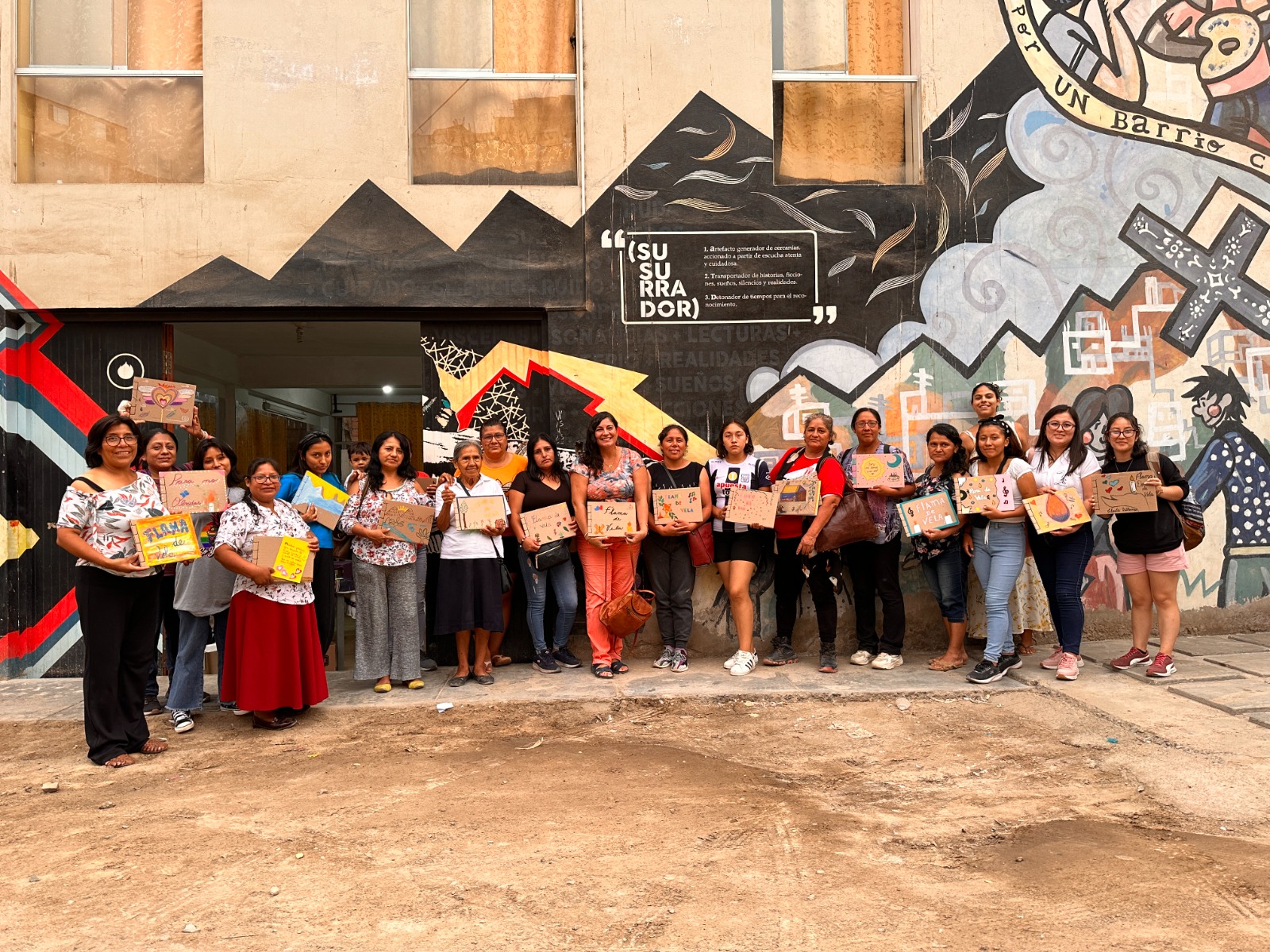
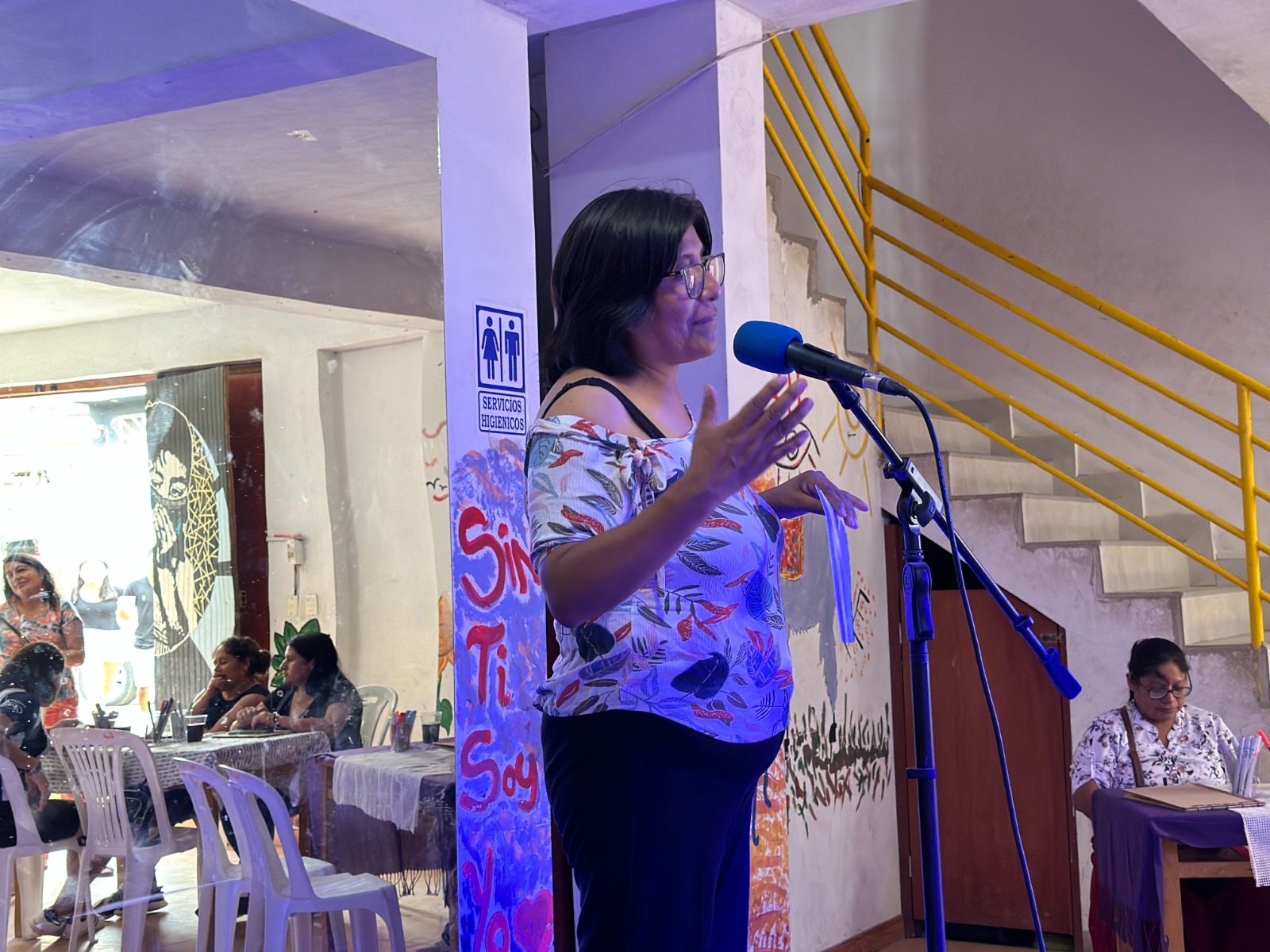
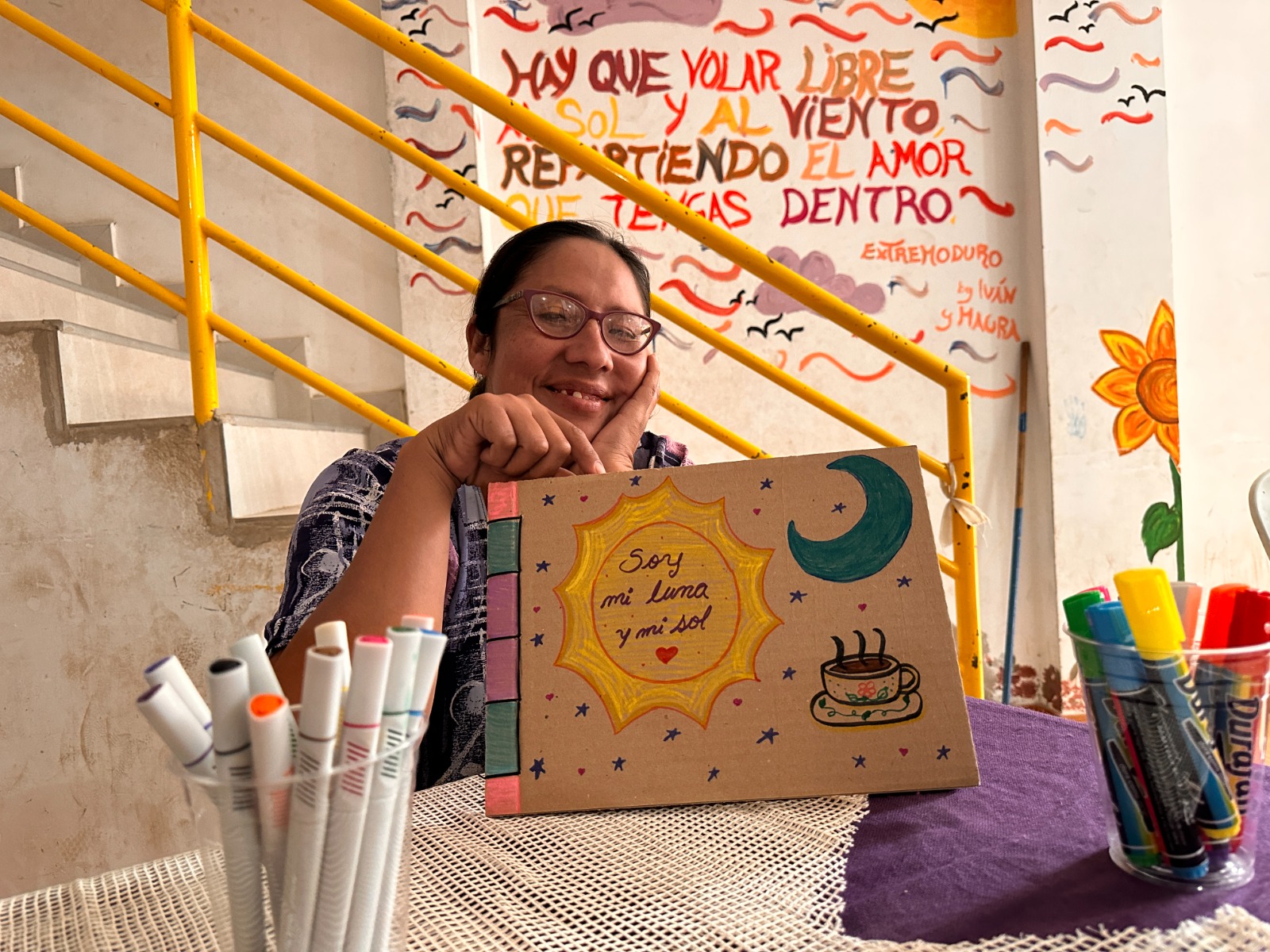
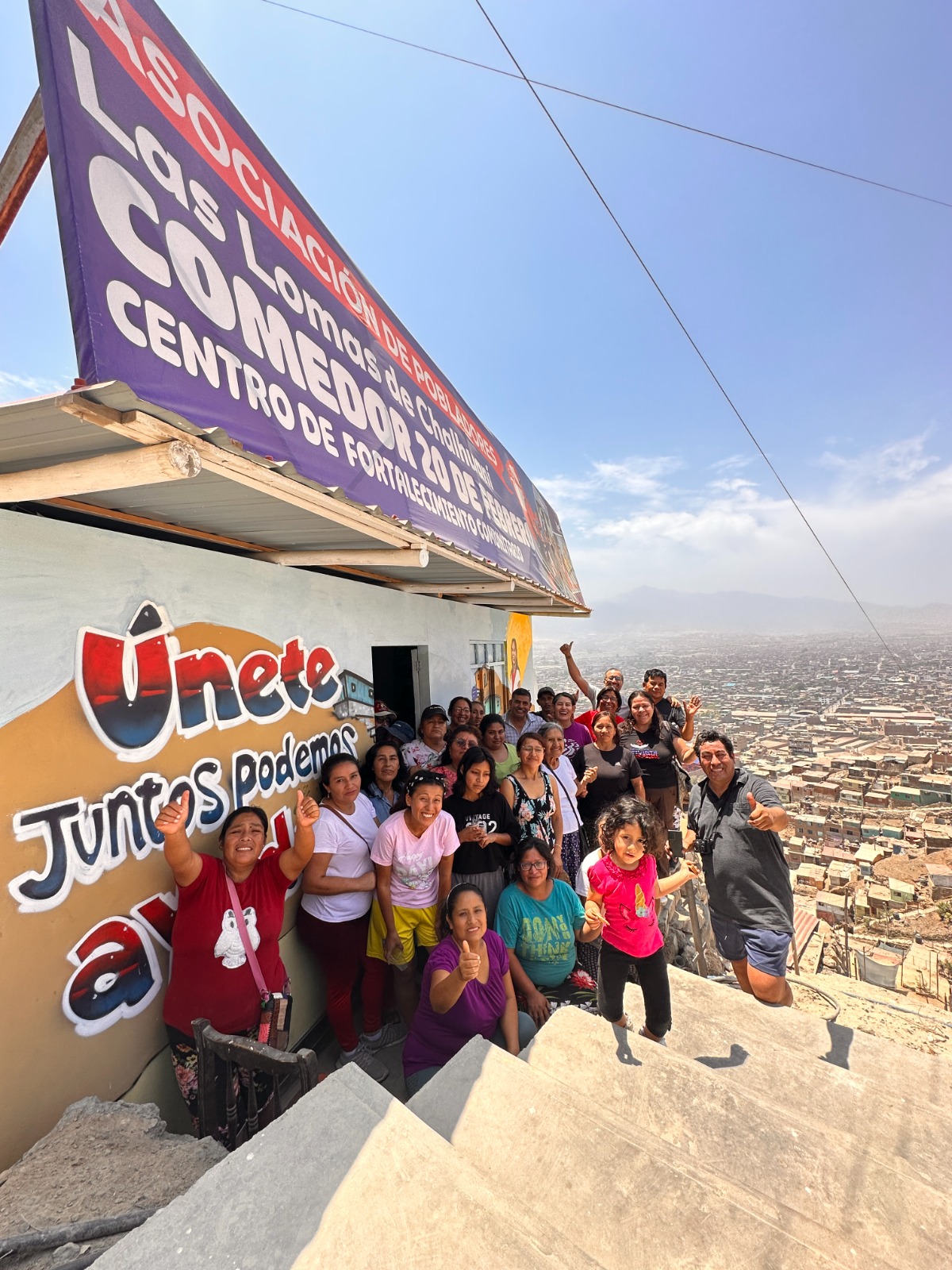
      En el largo camino  que  está trazado en nuestras vidas, he conocido a muchas mujeres  que luchan cada dia, que sueñan y caminan paso a paso mientras construyen sus familias y paralelamente se van transformando.

      Los sueños que cada una tiene, en medio de un país en crisis, parece tan lejos,

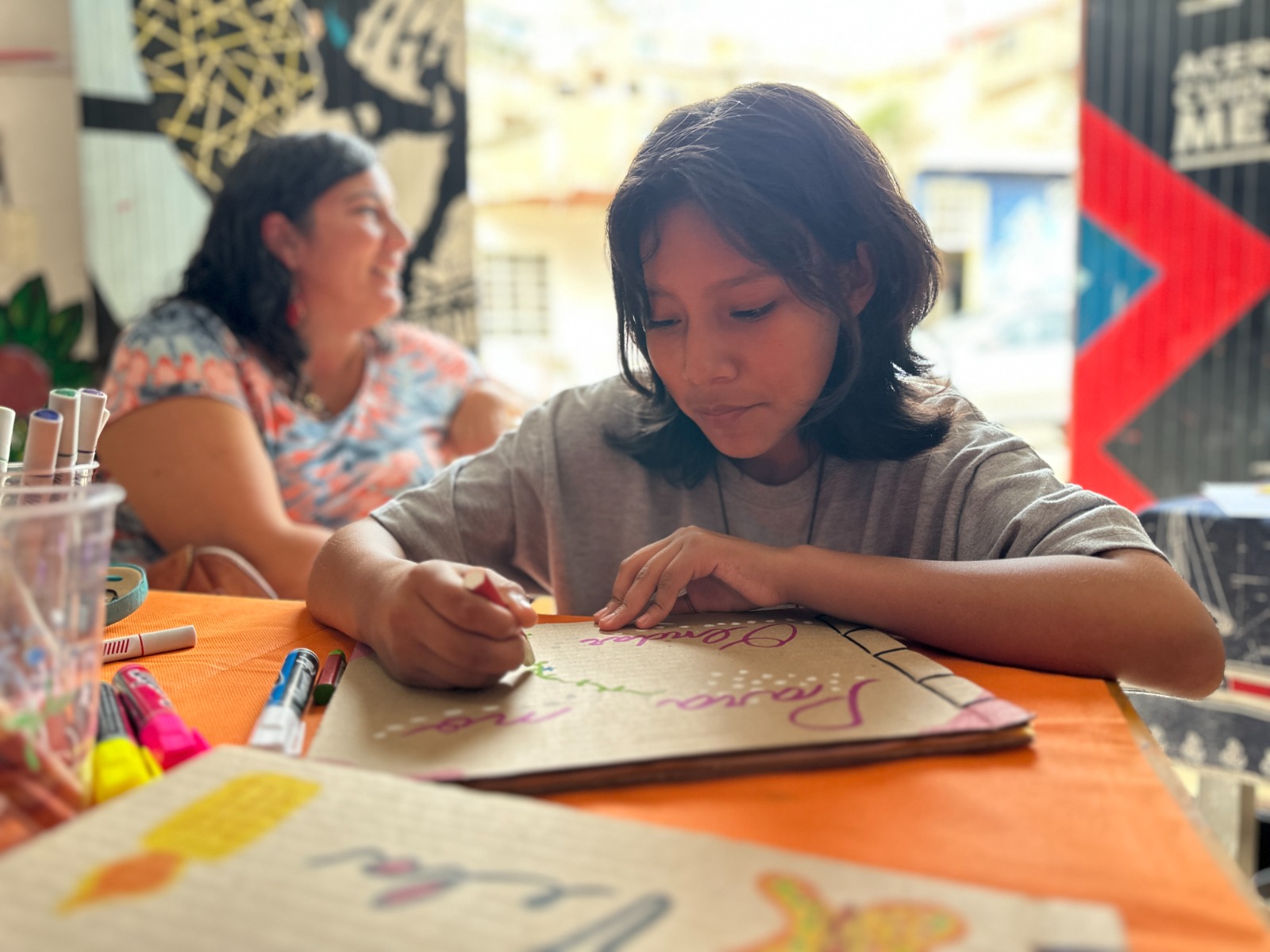
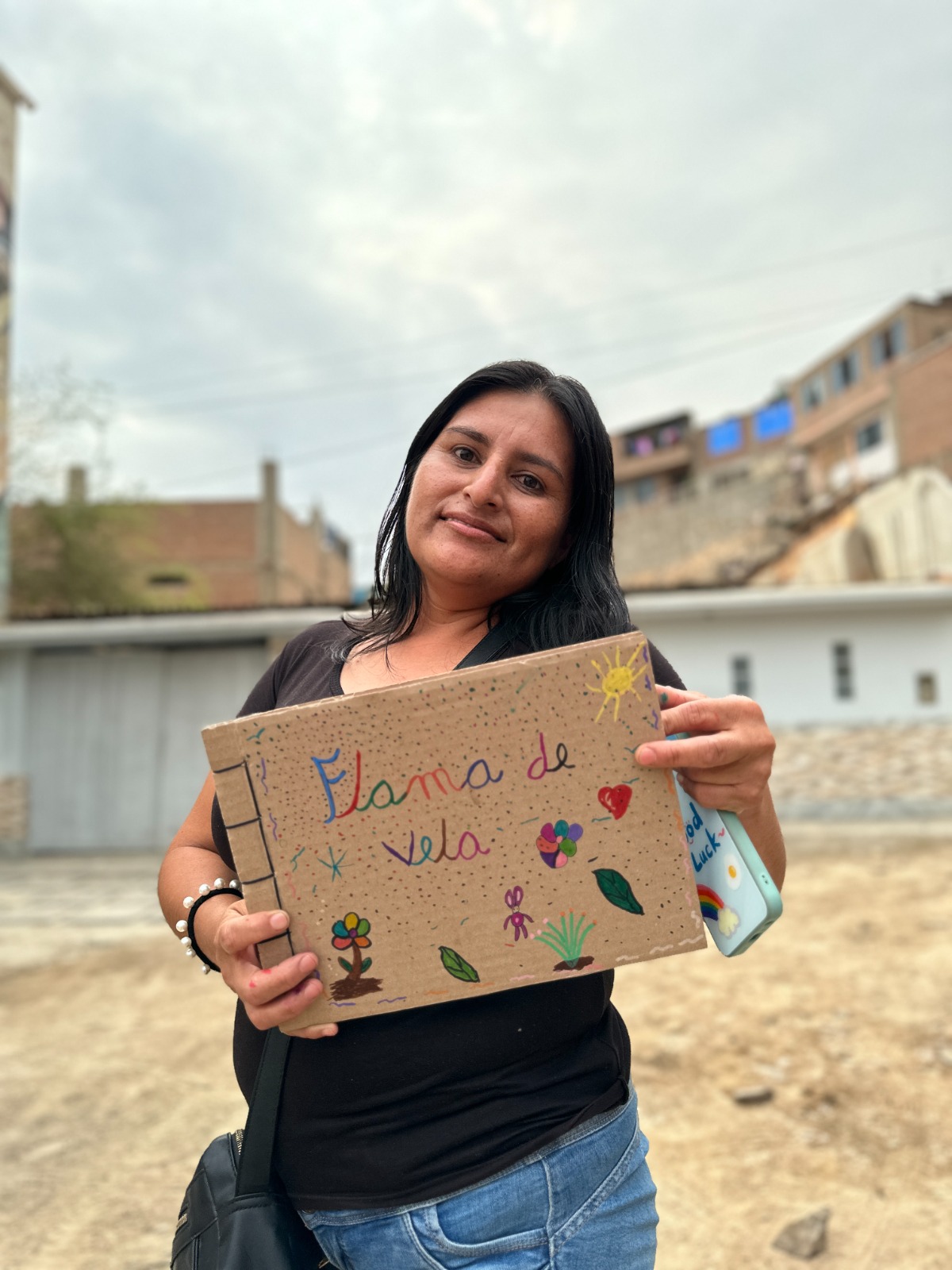
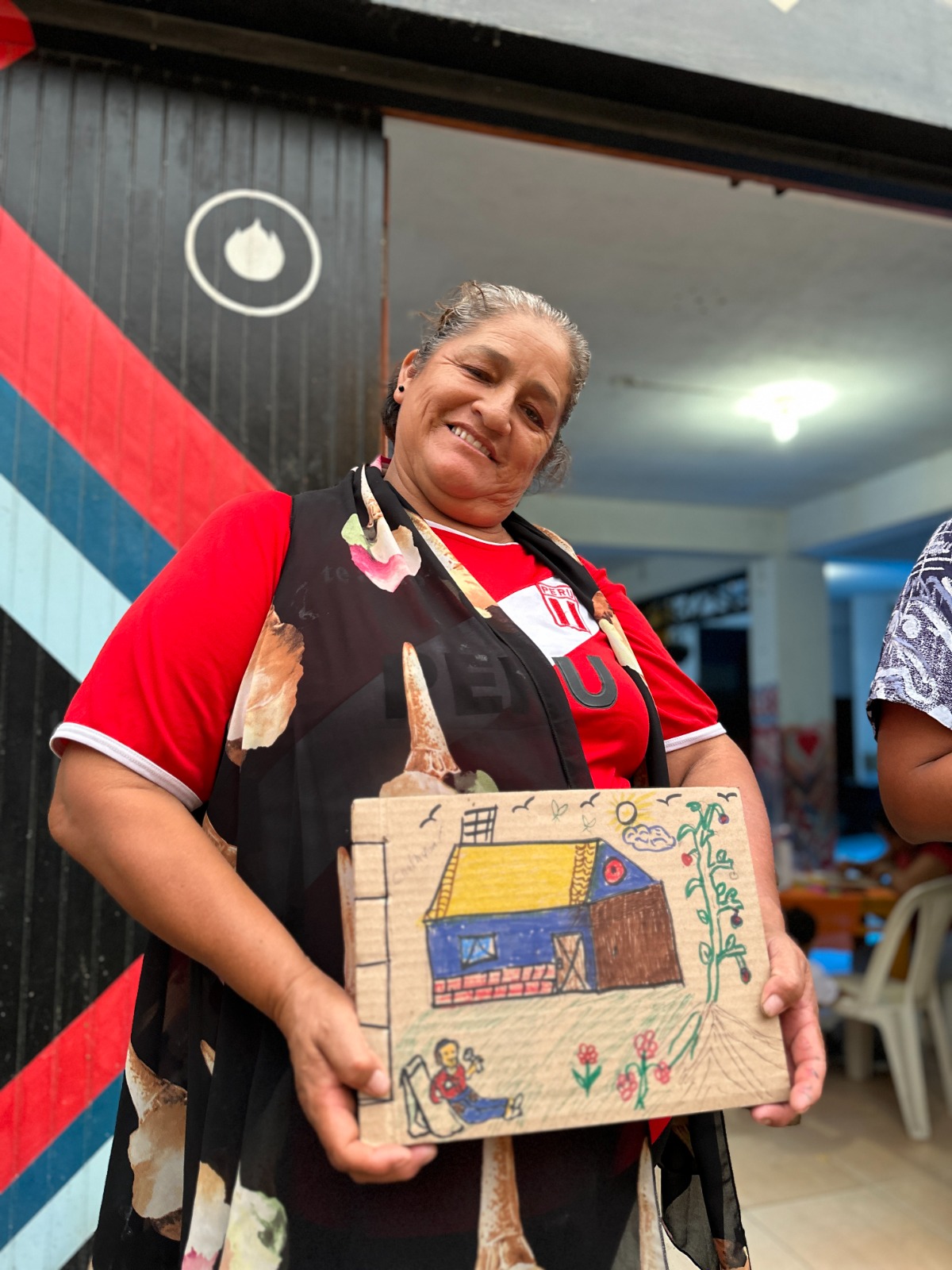
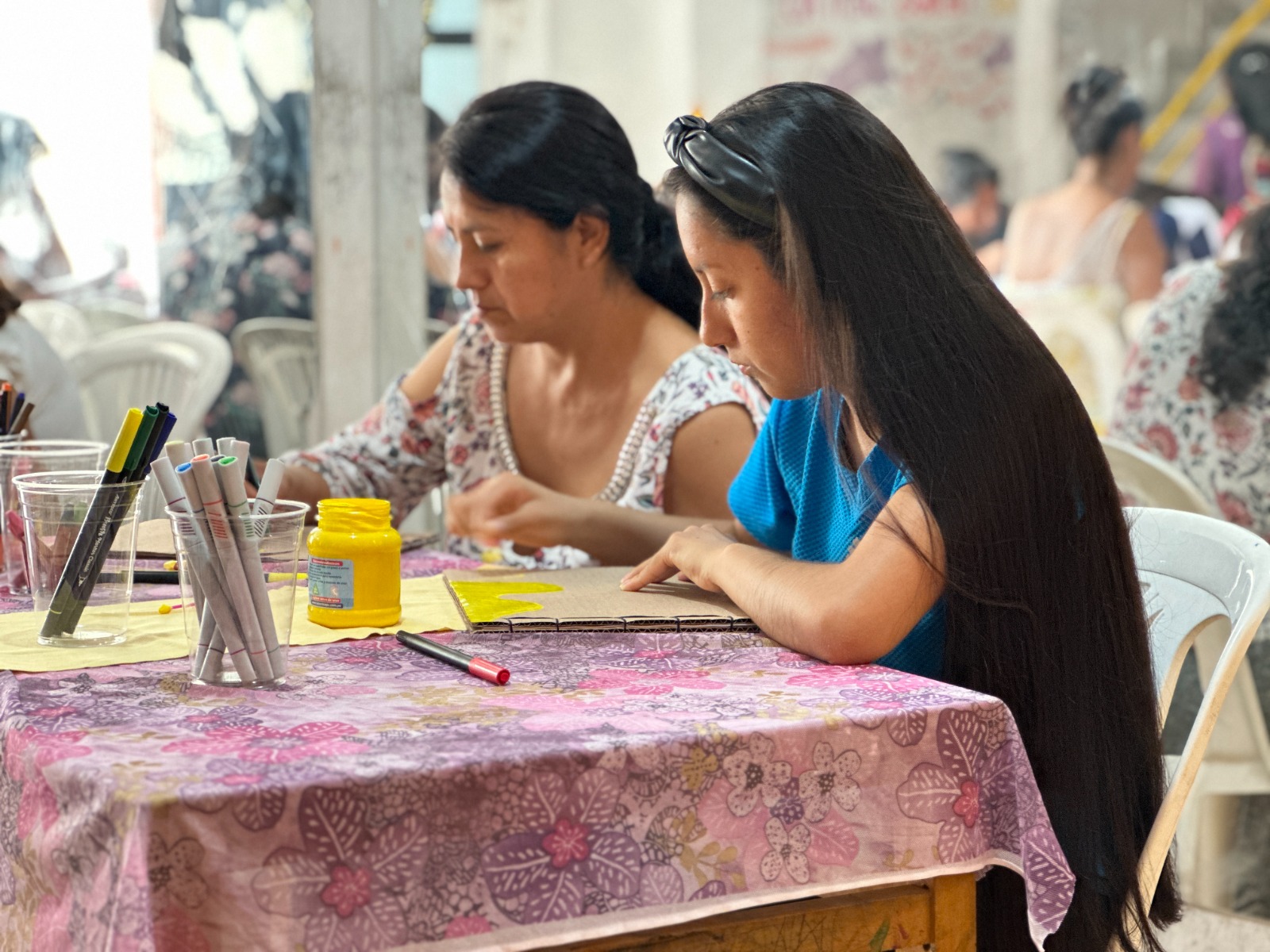
      tan inalcanzable, pero a la vez, tan en nuestras manos cuando cogemos lápices de colores y le ponemos color a nuestros sueños.

      Somos mujeres que sonreímos  aquí y ahora, dibujamos nuestras metas, delineamos nuestros caminos que nos llevan juntas a escribir quienes somos, de donde venimos y a dónde vamos.

      Queremos seguir  soñando hasta lograr llegar a ese inmenso azul sin final.

      Queremos soñar  que todo es posible hasta  conocer lo mas increíble algo mágico como  delfines  que nos rodean en el mar, llevándonos a lo más profundo que nadie se imaginó.

      Queremos soñar despiertas, muy despiertas, para sentir el fuego de la esperanza a flor de piel porque a cada una de nosotras nada nos detendrá.

       Ya empezamos, ya estamos en el camino,  ya estamos dejando huellas imborrables en el alma de nuestros hijos e hijas que continuarán el camino de transformación.


      English Version:

      TRANSFORMATIVE WOMEN

      In the long path that is outlined in our lives, I have met many women who fight every day, who dream and walk step by step while they build their families and at the same time they are transforming.

      The dreams that each one has, in the middle of a country in crisis, seem so far away, so unattainable, but at the same time, so in our hands when we take colored pencils and add color to our dreams.

      We are women who smile here and now, we draw our goals, we outline our paths that lead us together to write who we are, where we come from and where we are going.

      We want to continue dreaming until we reach that immense blue without end.

      We want to dream that everything is possible until we know the most incredible thing, something magical like dolphins that surround us in the sea, taking us to the depths that no one imagined.

      We want to dream awake, very awake, to feel the fire of hope on the surface because nothing will stop each of us.

       We have already started, we are already on the path, we are already leaving indelible marks in the souls of our sons and daughters who will continue the path of transformation.

      Lis Vania Pérez

      Lis Vania Pérez, maestra de la escuela Pública peruana, especialista en Programas de Lectoescritura para niños en edad escoolar. Fundadora y Responsable  del Proyecto Quijote en el AAHH Santa Rosa distrito de Puente Piedra,  Lima Peru.

      Peruvian public school teacher, specialist in Reading and Writing Programs for school-age children. Founder and Manager of the Quijote Project in the AAHH Santa Rosa district of Puente Piedra, Lima Peru.

        El Círculo de escritoras de CCATE

        RevarteColectiva · April 15, 2024 · Leave a Comment

        Convergencia en la diversidad: el poder del arte

        por Aura Rosalía Cruz Aburto

        Click here for English version

        Queridxs compañerxs. Permítanme por esta vez, escribir como filósofa. Quizá no relate cosas tan concretas, quizá parezca que divago sobre ideas abstractas, pero, créanme, mi inspiración no está flotando en el vacío, sino que es producto tanto de ser testigo del brotar creativo de mis amigxs del Círculo de Escritoras de CCATE, del ver surgir y florecer las letras singulares de cada unx de ellxs, tanto como por ser, no sólo testigo, sino afortunada integrante, quizá desde la lejanía geográfica eso sí, de una bella comunidad en que las diversidades nos unen, nos nutren y se celebran recreando y creando relatos y versos.

        Arte como convergencia y divergencia

        No es infrecuente que se convoque al arte como vía para la integración de las comunidades, porque tampoco es raro que, en su despliegue, en efecto se constituyan resonancias vinculantes entre quienes crean. Sin embargo, aunque sin duda alguna la creación reúne, también abre la posibilidad de la divergencia, de la pluralidad y de la multiplicación. 

        A través del arte se configura la singularidad individual y colectiva, no como algo preexistente, sino como un mundo nuevo que hace manifiesto lo que antes sólo era una virtualidad. En este sentido, el arte hace brotar lo diverso paradójicamente a partir de la convergencia: el arte es reunión y multiplicación de diferencias. El arte es, ante todo y a diferencia del mundo sujeto a la utilidad, un fin en sí mismo: es creación, nacimiento de mundos insospechados y revelaciones de lo irrevelable.

        La paradoja de lo imposible: la convergencia sagrada

        Hace algunos años, leí por primera vez acerca de la noción de lo sagrado propuesta por un pensador llamado George Bataille. Difícil de explicar, lo sagrado se opone al mundo discontinuo de la producción. ¿Pero qué es eso de mundo discontinuo, por qué discontinuo? Porque en esa esfera nos sabemos separados: nos convertimos en sujetos que objetivan y que, a su vez, están sujetos en un mundo de instrumentalidades. Pero ¿qué es lo que se instrumenta? Todo lo que existe en función de un relato dominante, ora la necesidad por sobrevivir, ora también la acumulación misma de capital, todo depende de qué época y geografía estemos hablando. En esa esfera de la productividad, todos tenemos un papel que nos ata a la instrumentalización del mundo y que no nos deja libres de devenir. En esa esfera también somos sujetos que a la distancia manipulan objetos, de los que estamos, en apariencia, constitutivamente separados. 

        Lo sagrado es lo opuesto a este mundo dividido. Lo sagrado se funda como ámbito de escape a la separación, se trata de la emergencia de lo continuo, de la comunión donde se habita “como agua dentro del agua”. En el tiempo sagrado no hay sujetos ni objetos, hay fuerzas que se entretejen y destejen, hay fuerzas de dignidades equivalentes, pero de singularidad absoluta. 

        De acuerdo con aquel escritor que mencionaba líneas antes, el ser humano abre la posibilidad de lo sagrado en el sacrificio, la fiesta y el arte. En estas tres instancias lo que aparece es la transgresión a lo ordinario, a lo aceptado e incuestionado porque sólo ahí, en medio del juego y no de la producción, es cuando se pueden crear nuevas posibilidades. Es en estos instantes de lo sagrado cuando podemos re-unirnos y ser comunidad, no por origen, sino como destino.

        El Círculo de Escritoras: comunidad inconfesable

        En plena pandemia tuve la fortuna de presentarme ante una fuerza creadora colectiva a la que tenía años de admirar: CCATE. Gracias a la invitación de mi admirado amigo Obed, comencé a conocer y reconocer a amigxs fuerzas vivas con quienes he compartido tardes escribiendo, leyéndonos y sintiendo juntxs. 

        Puedo decirlo, quizá de una manera distinta por la lejanía territorial, pero hoy soy parte esta bella y potente comunidad. Hemos conocido nuestras diferentes y divergentes historias, pero también hemos sentido juntas. También hemos escrito y aprendido de las voces y letras de cada una. Somos una (comunidad) pero también somos muchas (fuerzas): somos una comunidad inconfesable.

        El arte: lo imposible posible

        Quién lo diría, unxs desde Filadelfia, otrxs desde Ciudad de México, hemos formado un coro. Pero, más que un coro, somos algo así como una banda de jazz que cambia el ritmo y se orquesta reconociendo la dignidad de que sea cada una la que legítimamente cuente su propia historia. 

        Una pasa la estafeta a la otra para leer en voz alta y resonar, aunque nuestras experiencias aparentemente no se toquen. Pero ¿saben qué? Se tocan, milagrosamente se tocan, nace una comunidad, un diálogo y decenas de textos, seguramente muchos más, que navegan sus propios cauces, pero que convergen en la alegría de compartirnos. Jugamos, inventamos cada vez que nos reunimos, sabemos que las reglas las fijamos nosotras porque no hay más autoridad que la propia que, por cierto, también puede reinventarse. 

        Lo digo una vez más, aunque de pronto vaya y venga con estos conceptos académicos con los que llevo años hablando, todo se resume a esto: ¡Viva el poder del arte! ¡Viva la Comunidad!

        Notes:

         1. Comunidad inconfesable, un guiño al libro del filósofo Maurice Blanchot.


        English Version:

        The CCATE Writers’ Circle

        Convergence in diversity: the power of art

        by Aura Rosalía Cruz Aburto

        Dear companions. Allow me for this time, to write as a philosopher. Maybe I don’t relate such concrete things, maybe it seems like I’m rambling about abstract ideas, but, believe me, my inspiration is not floating in the void, but rather it is a product of witnessing the creative sprouting of my friends from the CCATE Women Writers’ Circle, from the seeing the unique lyrics of each one of them emerge and flourish, as well as being, not only a witness, but also a lucky member, perhaps from geographical distance of course, of a beautiful community in which diversities unite us, nourish us and are celebrated. recreating and creating stories and verses.

        Art as convergence and divergence

        It is not uncommon for art to be called upon as a way to integrate communities, because it is also not uncommon for, in its deployment, binding resonances to be created between those who create. However, although creation undoubtedly brings together, it also opens the possibility of divergence, plurality, and multiplication.

        Through art, individual and collective singularity is configured, not as something pre-existing, but as a new world that makes manifest what was previously only a virtuality. In this sense, art paradoxically makes diversity emerge from convergence: art is the meeting and multiplication of differences. Art is, above all and unlike the world subject to utility, an end in itself: it is creation, the birth of unsuspected worlds, and revelations of the unrevealable.

        The paradox of the impossible: sacred convergence

        A few years ago, I first read about the notion of the sacred proposed by a thinker named George Bataille. Difficult to explain, the sacred is opposed to the discontinuous world of production. But what is this discontinuous world, why discontinuous? Because in that sphere we know we are separated: we become subjects that objectify and who, in turn, are subjects in a world of instrumentalities. But what is being implemented? Everything that exists is based on a dominant narrative, either the need to survive or also the accumulation of capital itself, everything depends on what time and geography we are talking about. In this sphere of productivity, we all have a role that ties us to the instrumentalization of the world and does not leave us free to evolve. In that sphere, we are also subjects who manipulate objects from a distance, from which we are, apparently, constitutively separated.

        The sacred is the opposite of this divided world. The sacred is founded as an area of escape from separation, it is about the emergence of the continuous, communion where one lives “like water within water.” In sacred time there are no subjects or objects, there are forces that interweave and unweave, there are forces of equivalent dignities, but of absolute singularity.

        According to the writer who mentioned lines before, the human being opens the possibility of the sacred in sacrifice, celebration, and art. In these three instances what appears is the transgression of the ordinary, of what is accepted and unquestioned because only there, in the middle of the game and not production, is when new possibilities can be created. It is in these moments of the sacred when we can come together and be a community, not by origin, but as destiny.

        The Writers’ Circle: unspeakable community

        In the middle of the pandemic, I was fortunate enough to present myself to a collective creative force that I had admired for years: CCATE. Thanks to the invitation of my admired friend Obed, I began to meet and recognize living-force friends with whom I have shared afternoons writing, reading, and feeling together.

        I can say it, perhaps in a different way due to the territorial remoteness, but today I am part of this beautiful and powerful community. We have known our different and divergent stories, but we have also felt together. We have also written and learned from each other’s voices and lyrics. We are one (community) but we are also many (forces): we are an unspeakable community.

        Art: the impossible possible

        Who would have thought, some of us from Philadelphia, others from Mexico City, we have formed a choir. But, more than a choir, we are something like a jazz band that changes the rhythm and orchestrates, recognizing the dignity of each one legitimately telling its own story.

        One passes the baton to the other to read aloud and resonate, even if our experiences do not touch. But you know what? They touch, miraculously they touch, a community is born, a dialogue and dozens of texts, surely many more, that navigate their channels, but that converge in the joy of sharing each other. We play, we invent every time we meet, and we know that we set the rules because there is no authority other than our own which, by the way, can also be reinvented.

        I say it once again, although I suddenly go back and forth with these academic concepts that I have been talking about for years, it all boils down to this: Long live the power of art! Long live the Community!

        Aura R. Cruz Aburto

        Aura es filósofa mexicana, latinoamericana orgullosa, es también artista espacial, textil y visual que busca dar de cuando en cuando con “la frágil unidad poética”. Profesora de la Universidad Nacional Autónoma de México, Tec de Monterrey e investigadora independiente.

        Aura is a proud Mexican and Latin American philosopher. She is also a spatial, textile, and visual artist who occasionally seeks to find “the fragile poetic unity.” She is a professor at the National Autonomous University of Mexico, Tec de Monterrey, and an independent researcher.

        Selected Works by Aura R. Cruz Aburto:
        La Última Cena (I)
        La Última Cena (II)
        La Última Cena (III)
          • « Go to Previous Page
          • Page 1
          • Interim pages omitted …
          • Page 13
          • Page 14
          • Page 15
          • Page 16
          • Page 17
          • Interim pages omitted …
          • Page 36
          • Go to Next Page »

          Hit the ground running with a minimalist look. Learn More

          Copyright © 2026 · Monochrome Pro on Genesis Framework · WordPress · Log in

          • Instagram
          • Facebook