• Skip to primary navigation
  • Skip to main content

REVARTE

  • Home
  • About
    • REVARTE Collective
  • Issues
    • Número 8
    • Número 7 · 2025
    • Número 6 · 2024
    • Número 5 · 2024
    • Número 4 · 2023
    • Número 3 · 2023
    • Número 2 · 2023
    • Número 1 · 2022
  • Secciones / Sections
    • LITERATURA
    • JUVENTUD
    • ENSAYO
    • COMUNIDAD
    • MEDIA
  • Subscribe
  • Contribute
  • Show Search
Hide Search

RevarteColectiva

Nuestro Mundo 

RevarteColectiva · April 15, 2024 · Leave a Comment

por Obed Arango

Click here for English version

Subtítulo en Español

Nuestro Mundo, es el testimonio de Ruth una adolescente peruana de origen quechua que habita en las lomas de Chalhuani, en Puente Piedra, Lima. Su reflexión de vida es honesta directa, dura, pero llena de esperanza. En el cortometraje aborda los retos que tiene la comunidad por la falta de agua y de servicios básicos; sin embargo, presenta una luz de esperanza a través de la inauguración de la biblioteca “El Quijote” de Lomas de Chalhuani, que con su familia ha hecho posible. 

El cortometraje forma parte de la colección “Villa Inmigrante” realizada y producida por Obed Arango quien durante los años 2021 y 2023 ha visitado la zona, entrevistado a los habitantes, grabado y fotografiado. 

Un documental con el apoyo de la iniciativa “Futuros Justos” de UPenn y Fundación Mellon en colaboración con el Centro de Estudios Latinoamericanos de la Universidad de Pennsylvania” Y de Independence Public Media Foundation.

Texto original y voz:

“Mi mundo, tu mundo, nuestro mundo” por Ruth Layme Cárdenas

Cinematografía:

por Obed Arango


English Version:

Our World 

English Subtitles Version

Our World is the testimonial of Ruth, a Peruvian teenager of Quechua origin who lives in the hills of Chalhuani, in Puente Piedra, Lima. Her reflection about life is direct, honest, hard, but full of hope. In the short film she addresses the challenges that the community has due to the lack of water and basic services; However, she presents a light of hope through the inauguration of the “El Quijote” library in Lomas de Chalhuani that with his family he has made possible. 

The short film is part of the “Villa Immigrante” collection made and produced by Obed Arango who during the years 2021 and 2023 has visited the area, interviewed the inhabitants, recorded and photographed.

A documentary with the support of the “Fair Futures” initiative of UPenn and the Mellon Foundation in collaboration with the Center for Latin American Studies at the University of Pennsylvania and the Independence Public Media Foundation.

Original text and voice:

“My world, your world, our world” by Ruth Layme Cárdenas

Cinematography 

by Obed Arango

Ruth Sarai Layme Cárdenas

Es estudiante de séptimo grado y asiste a El Quijote para la vida, donde coordina la biblioteca de Lomas de Chahuani y dirige un programa de radio para adolescentes.

She is a seventh grade student and attends El Quijote para la vida, where he coordinates the Lomas de Chahuani library and directs a radio program for teenagers.

    Obed Arango

    Obed es un ciudadano de América Latina de origen mexicano, artista visual y antropólogo. Director de CCATE y profesor de University of Pennsylvania. 

    He is a citizen of Latin America of Mexican origin, visual artist and anthropologist. Director of CCATE and professor at the University of Pennsylvania.
      ChatGPT Can’t Dance

      RevarteColectiva · April 15, 2024 · Leave a Comment

      por David Villalvazo

      Click here for Spanish version

      In this simple test I invite you to assess how much accumulated wisdom you have about the real, natural and irreplaceable intelligence we know and use in our lives.

      You will also rediscover your vital understanding of how we do every day to cultivate and strengthen our wisdom.


      David Villalvazo

      Filmmaker

      David Villalvazo is an associate professor at the University of Guadalajara. He has worked as a film editor, director, and cinematographer for many nonfiction films. He was a Fulbright grantee and Mexican Academy award nominee. As a Ph.D. Candidate in Documentary Arts and Audio/Visual Research at Temple University, he dedicates himself to explaining how the special action of the arts uniquely produces and disseminates knowledge and to critically show how Cinematic Montage and Sound Design work in exploring, grasping, and informing the world.

        Raíces: tradiciones

        RevarteColectiva · April 15, 2024 · Leave a Comment

        by CCATE Podcast and Radio Workshop

        Click here for English version

        Part 1
        Part 2

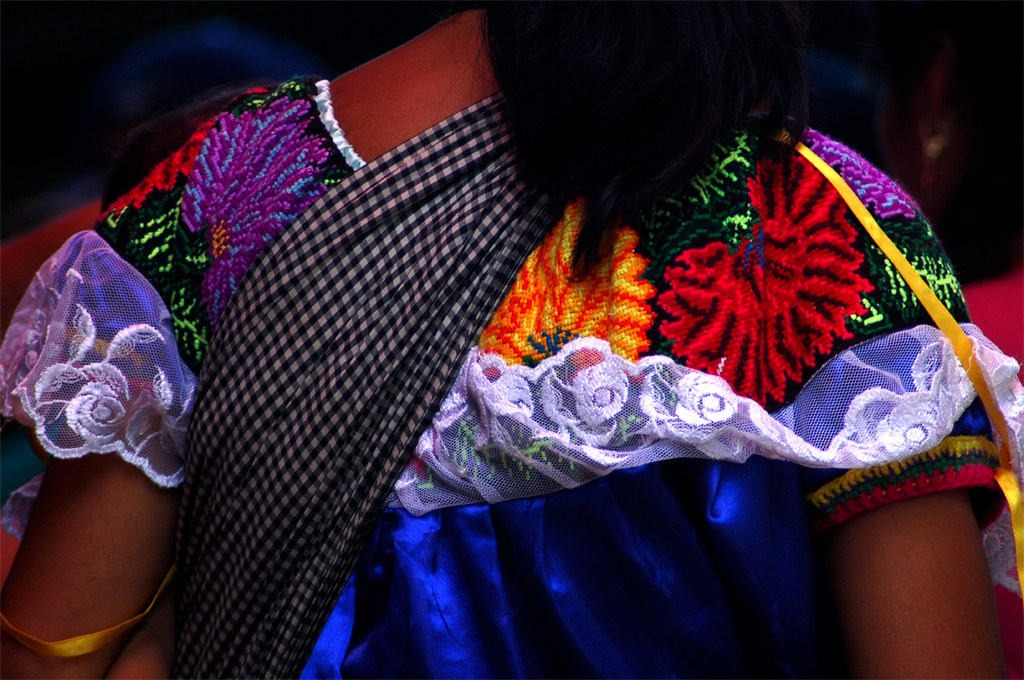
        Foto de Obed Arango, Ocosingo, Chiapas

        Durante el año del 2022 el círculo de investigaciones participatorias de CCATE decidió estudiar lo que significan las raíces culturales de la comunidad.

        Una parte esencial de quienes somos tiene que ver con nuestras tradiciones, y lo elementos que las conforman. 

        Asimismo, las tradiciones surgen y se arraigan en ciertos lugares. 

        En tiempos modernos estas tradiciones han generado turismo, y con ellos las tradiciones han sufrido una comercialización que las banaliza, y las acomoda como un producto de consumo. 

        En otros casos este consumo las ha convertido en modas, incluso en marcas protegidas. 

        Muchas expresiones artísticas, sociales y culturales han sufrido también y como parte de la moda un extractivismo y una explotación. 

        Podríamos decir que han generado una anti-tradición, es decir los valores que sostienen una expresión artística y cultura deja de importar, para reproducirse solo como producto de consumo. En esto programa abordaremos esta realidad de nuestros tiempos. 

        También abordaremos com las tradiciones son un aporte transcultural. Hay tradiciones que nosotros aportamos a la nueva tierra, como lo seria el día de muertos. 

        Y hay tradiciones que adoptamos como el día de acción de gracias, que en nuestra comunidad muchas veces le llamamos el día del pavo. 

        Es importante hablar de las tradiciones, porque es en ellas que nuestros valores se ponen de manifiesto. Y muchas veces tenemos que ejercer un rescate de las mismas. 

        Desde de la antropología cultural las tradiciones junto con los mitos forman una parte esencial del corpus de valores, y creencias, que le dan sentido a una sociedad y que forma parte no solo de su calendario, sino también de los hábitos, y de las prácticas sociales cotidianas. 

        De esta manera a veces nuestras culturas chocan, porque las prácticas sociales responden a expectativas sociales. 

        Y esto se demuestra en las actitudes cotidianas. Por ejemplo, el respeto que damos a los ancianos, a los adultos, el hablar de tu o usted a alguien. La forma en cómo nos dirigimos a personas que representan cierta autoridad. 

        todo esto puede diferir de cultura a cultura, de sociedad a sociedad. 

        Ejemplos tan sencillos como cuando de niños en la escuela los maestros nos enseñaron a ponernos de pie cuando un adulto entraba al salón, y a decir “Buenos días” o “Buenas tardes”.  Eso rara vez los vemos aquí. Y no estamos diciendo que algo es bueno o malo, sino solo distinto. 

        En este capítulo hablaremos de esas tradiciones, de esas actitudes, de esas creencias y practicas sociales que nos acompañan y que pueden marcar una diferencia en la sociedad que habitamos actualmente.

        También hablaremos de cómo esas tradiciones han sido modificadas, algunas incluso comercializadas de tal manera que pierden los significados profundos que nos formaron. 

        Incluso como los espacios y los lugares que le dieron vida, se han acomodado para satisfacer el turismo. 

        Así que, acompáñenos. 


        English Version:

        Roots: traditions

        During the year 2022, the CCATE participatory research circle decided to study what the cultural roots of the community mean.

        An essential part of who we are has to do with our traditions, and the elements that make them up.

        Likewise, traditions emerge and take root in certain places.

        In modern times these traditions have generated tourism, and with them the traditions have suffered a commercialization that trivializes them, and accommodates them as a consumer product.

        In other cases, this consumption has turned them into fashions, even protected brands.

        Many artistic, social and cultural expressions have also suffered extractivism and exploitation as part of fashion.

        We could say that they have generated an anti-tradition, that is, the values ​​that sustain artistic expression and culture cease to matter, to be reproduced only as a consumer product. In this program we will address this reality of our times.

        We will also address how traditions are a cross-cultural contribution. There are traditions that we bring to the new land, such as the Day of the Dead.

        And there are traditions that we adopt such as Thanksgiving, which in our community we often call Turkey Day.

        It is important to talk about traditions, because it is in them that our values ​​are revealed. And many times we have to rescue them.

        From cultural anthropology, traditions along with myths form an essential part of the corpus of values ​​and beliefs that give meaning to a society and that are part not only of its calendar, but also of habits and practices. everyday social.

        In this way, sometimes our cultures clash, because social practices respond to social expectations.

        And this is demonstrated in everyday attitudes. For example, the respect we give to the elderly, to adults, talking about your or you to someone. The way we address people who represent a certain authority.

        All of this can differ from culture to culture, from society to society.

        Examples as simple as when as children at school the teachers taught us to stand up when an adult entered the room, and to say “Good morning” or “Good afternoon.” We rarely see that here. And we are not saying that something is good or bad, just different.

        In this chapter we will talk about those traditions, those attitudes, those beliefs and social practices that accompany us and that can make a difference in the society we currently inhabit.

        We will also talk about how those traditions have been modified, some even commercialized in such a way that they lose the deep meanings that formed us.

        Even like the spaces and places that gave it life, they have been adapted to satisfy tourism.

        So, join us.

        Taller de podcast y de radio de CCATE (II)

        RevarteColectiva · April 15, 2024 · Leave a Comment

        por CCATE Podcast and Radio Workshop

        Escena del libro “Diarios de motocicleta” de Ernesto Guevara

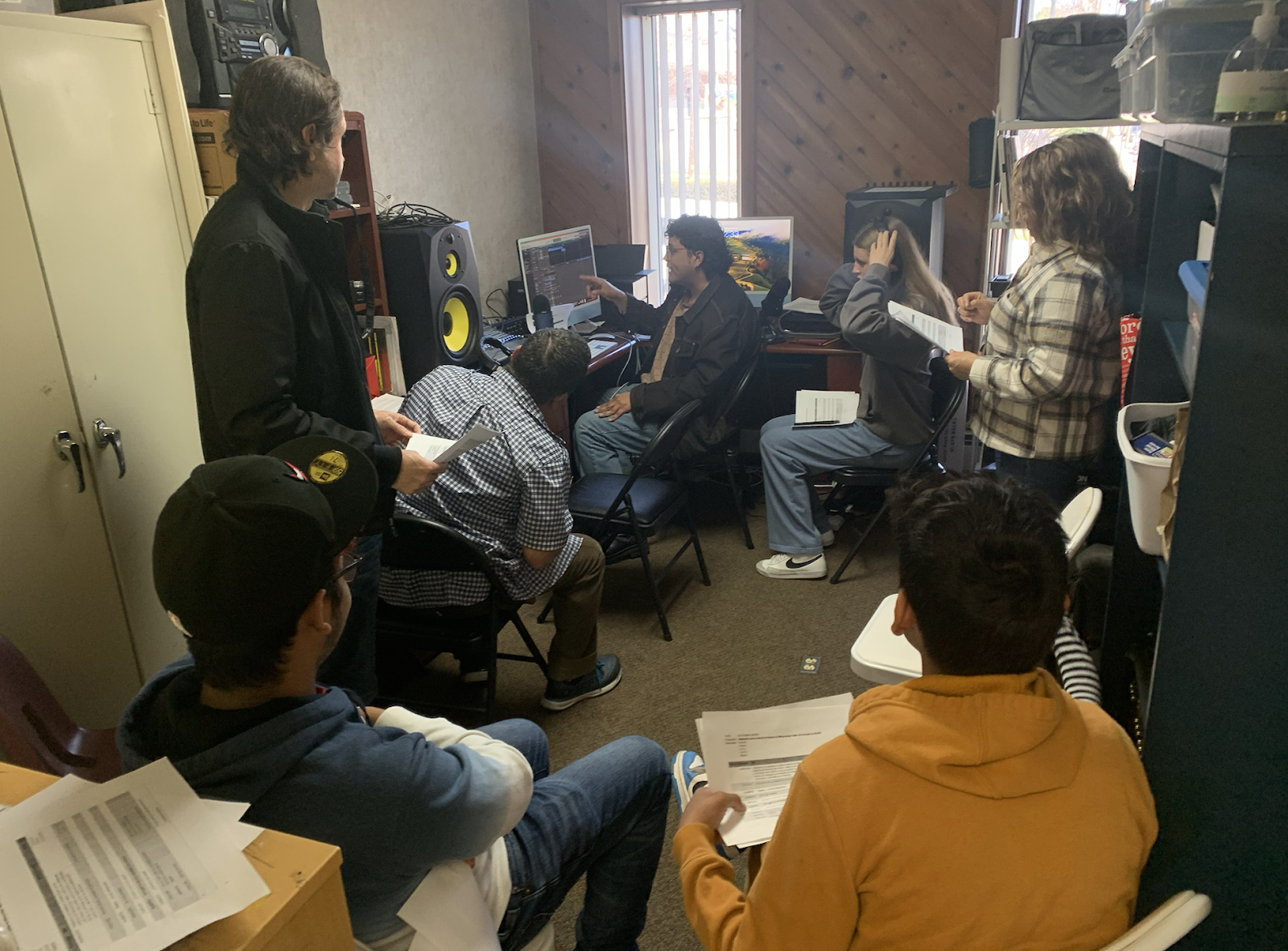
        Con el apoyo de HealthSpark y IPMF CCATE lleva acabo el taller de podcast de REVARTE que avanza mes a mes en la exploración de los diversos géneros de producción. En esta ocasión llevaron acabo una adaptación literaria de una sección del libro “Diarios de motocicleta” del joven Ernesto Guevara. 

        El grupo también vio la escena del libro en la película del mismo nombre, hizo una dialogo crítico de cómo esta se llevo a cabo, y desarrollo su propia versión.

        La escena corresponde cuando el joven doctor asiste a ver a una mujer enferma de asma con ya poca fuerza en sus pulmones, el grupo realizo su primera dramatización. 

        CCATE y REVARTE así explora la producción de podcast y radial.


        English Version:

        CCATE Radio and Podcast Workshop

        Supported by HealthSpark and IPMF, CCATE conducts the REVARTE podcast workshop, which progresses monthly in exploring various production genres. On this occasion, they carried out a literary adaptation of a section from the book “The Motorcycle Diaries” by the young Ernesto Guevara.

        The group also watched the scene from the book in the film of the same name, engaged in a critical dialogue about how this was executed, and developed their own version.

        The scene depicts when the young doctor visits a woman suffering from asthma with diminishing strength in her lungs, marking the group’s first dramatization.

        CCATE and REVARTE thus explore radio and podcast production.


        Instructors Bio:

        Andy

        Hola, Mi nombre es Andrés pero mi nombre artístico es Andy BAMF. Soy un artista urbano de 19 años del género HIP HOP Originario de Acapulco Guerrero y criado en Norristown PA. Andy además es maestro de música urbana en CCATE.

        Hello, My name is Andrés but my stage name is Andy BAMF. I am a 19-year-old urban artist of the HIP HOP genre. Originally from Acapulco Guerrero and raised in Norristown PA. Andy is also an urban music teacher at CCATE.

          David Villalvazo 

          Daivd es profesor asociado de la Universidad de Guadalajara. Ha trabajado como editor, director y director de fotografía de muchas películas de no ficción. Fue becario Fulbright y nominado al premio de la Academia Mexicana. Como doctorado. Candidato en Artes Documentales e Investigación Audiovisual en la Universidad de Temple, se dedica a explicar cómo la acción especial de las artes produce y difunde conocimiento de manera única y a mostrar críticamente cómo el montaje cinematográfico y el diseño de sonido funcionan para explorar, captar e informar el mundo. 

          He is an associate professor at the University of Guadalajara. He has worked as a film editor, director, and cinematographer for many nonfiction films. He was a Fulbright grantee and Mexican Academy award nominee. As a Ph.D. Candidate in Documentary Arts and Audio/Visual Research at Temple University, he dedicates himself to explaining how the special action of the arts uniquely produces and disseminates knowledge and to critically show how Cinematic Montage and Sound Design work in exploring, grasping, and informing the world.

            Obed Arango

            Obed es un ciudadano de América Latina de origen mexicano, artista visual y antropólogo. Director de CCATE y profesor de University of Pennsylvania. 

            He is a citizen of Latin America of Mexican origin, visual artist and anthropologist. Director of CCATE and professor at the University of Pennsylvania.
              Libros y experiencias vs. Teléfonos y tabletas

              RevarteColectiva · April 15, 2024 · Leave a Comment

              por Obed Arango

              Click here for English version

              Lectura diaria y vespertina de las 5:30 pm en CCATE

              Esta vez deseo escribir acerca de lo que pasa en nuestra propia casa en el Centro de Cultura, Arte, Trabajo y Educación (CCATE).

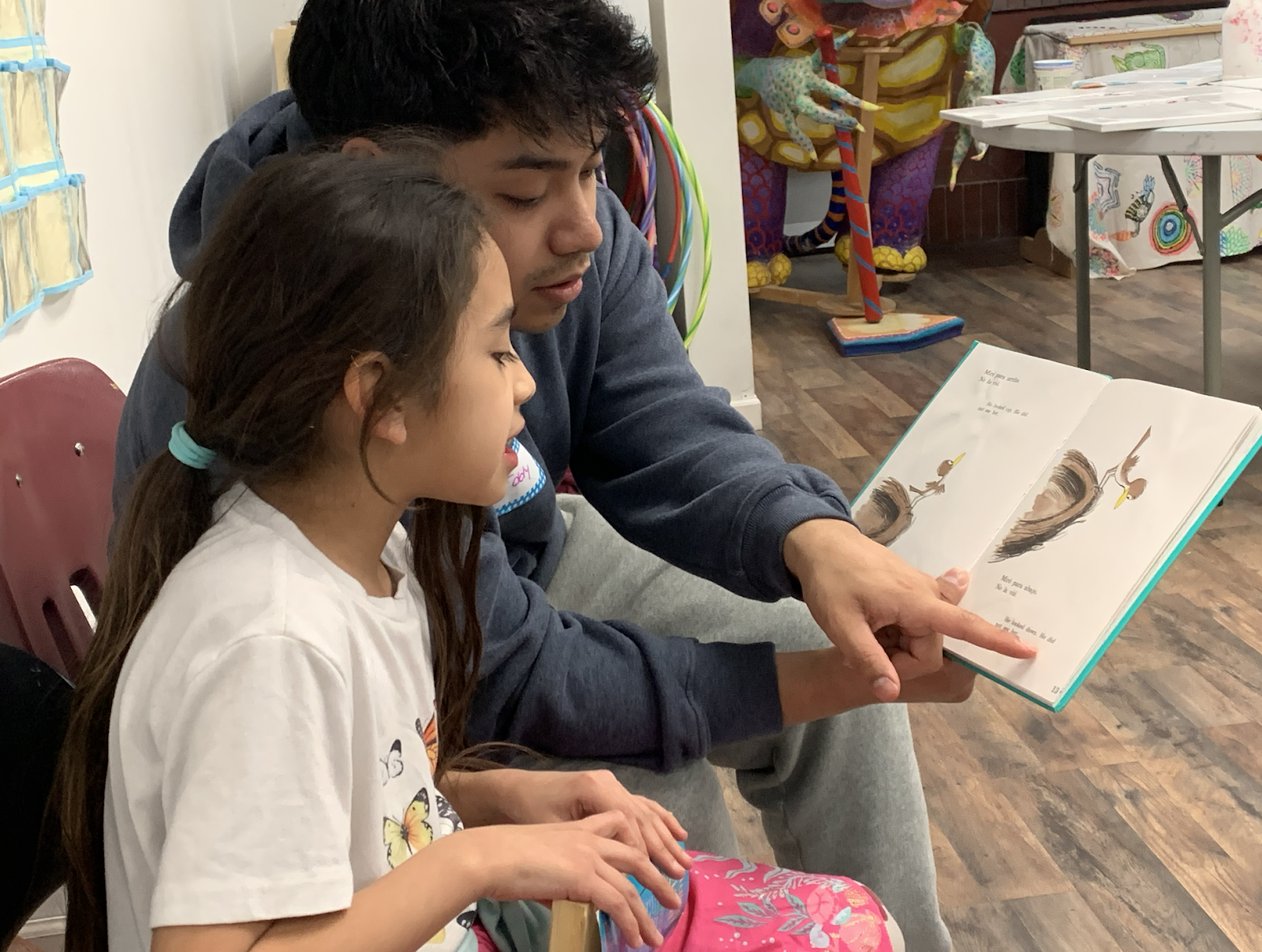
              Uno de los principios de CCATE es reconocer los conocimientos y talentos que tenemos en la comunidad, de esta manera son los niños, adolescentes, jóvenes, y adultos quienes imparten los talleres y clases formativas. La importancia de estos talleres es exponer a los niños a diversos conocimientos desde temprana edad. Así en CCATE cada día después de hacer tarea, y de jugar afuera un rato, todo se detiene y todos tomamos un libro. Más tarde vamos a nuestros talleres que pueden variar desde las nuevas tecnologías hasta el conocimiento análogo, desde el arte, la jardinería hasta la cocina, música digital, violín y guitarra.  

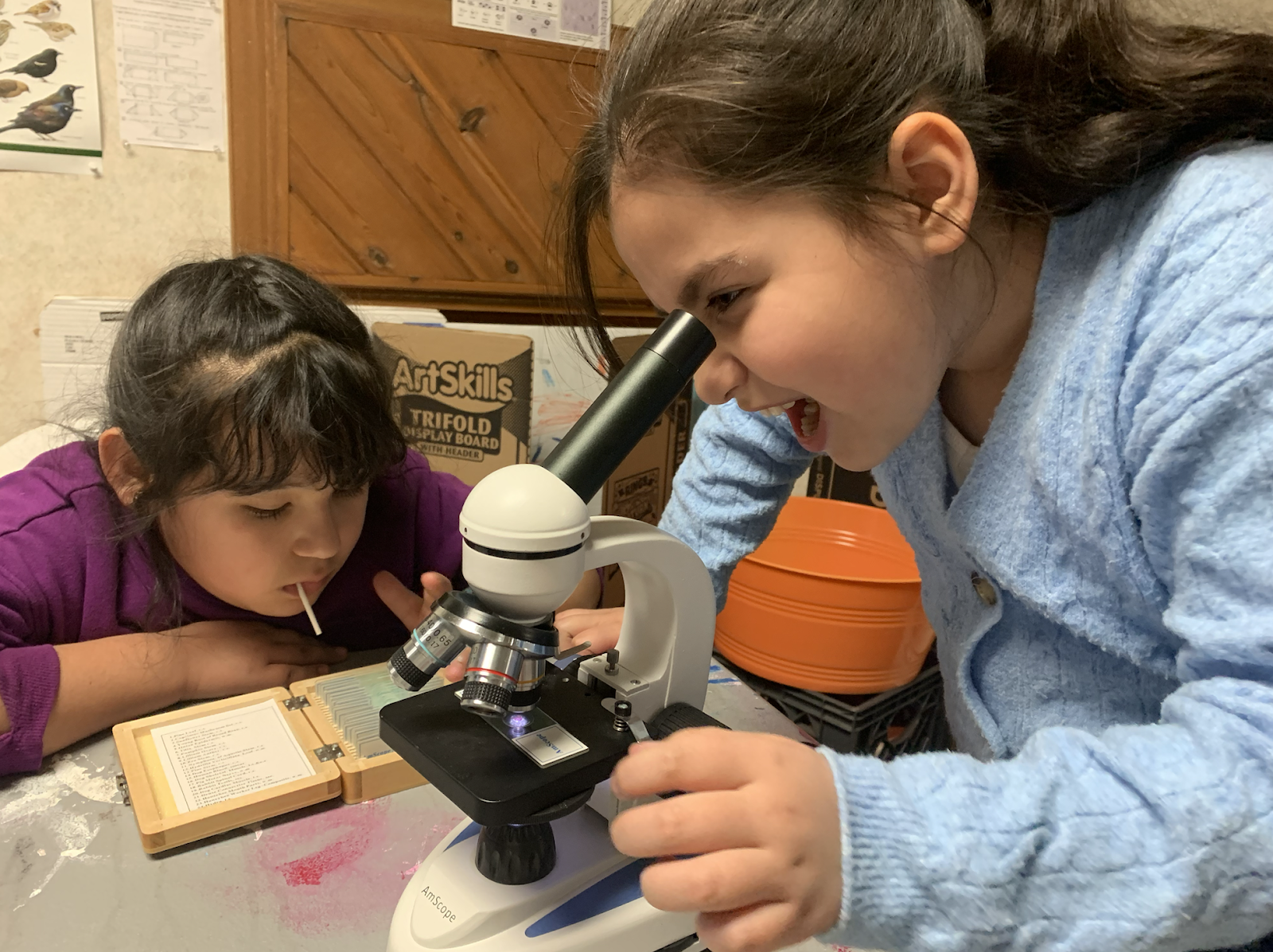
              Taller de ciencias con la Dra. Rosalba Esquivel Cote, 2024

              Ya no es sorpresa para nosotros escuchar a niñas de 10 años proponer clases que desean enseñar y explorar, y es nuestra labor como adultos darles las herramientas para que su curiosidad por aprender se vea saciada, clases como “slime”, ciencias, leer y jugar, son clases que ellas han propuesto y en la que en compañía de dos adultos imparten. Así rompemos con los sistemas que fragmentan el conocimiento. Los estudiantes de CCATE navegan de manera natural en la interdisciplinariedad sin que escuchen que eso “no se puede hacer porque no cumple con las pruebas de PISA, de Pennsylvania o de ENLACE”.

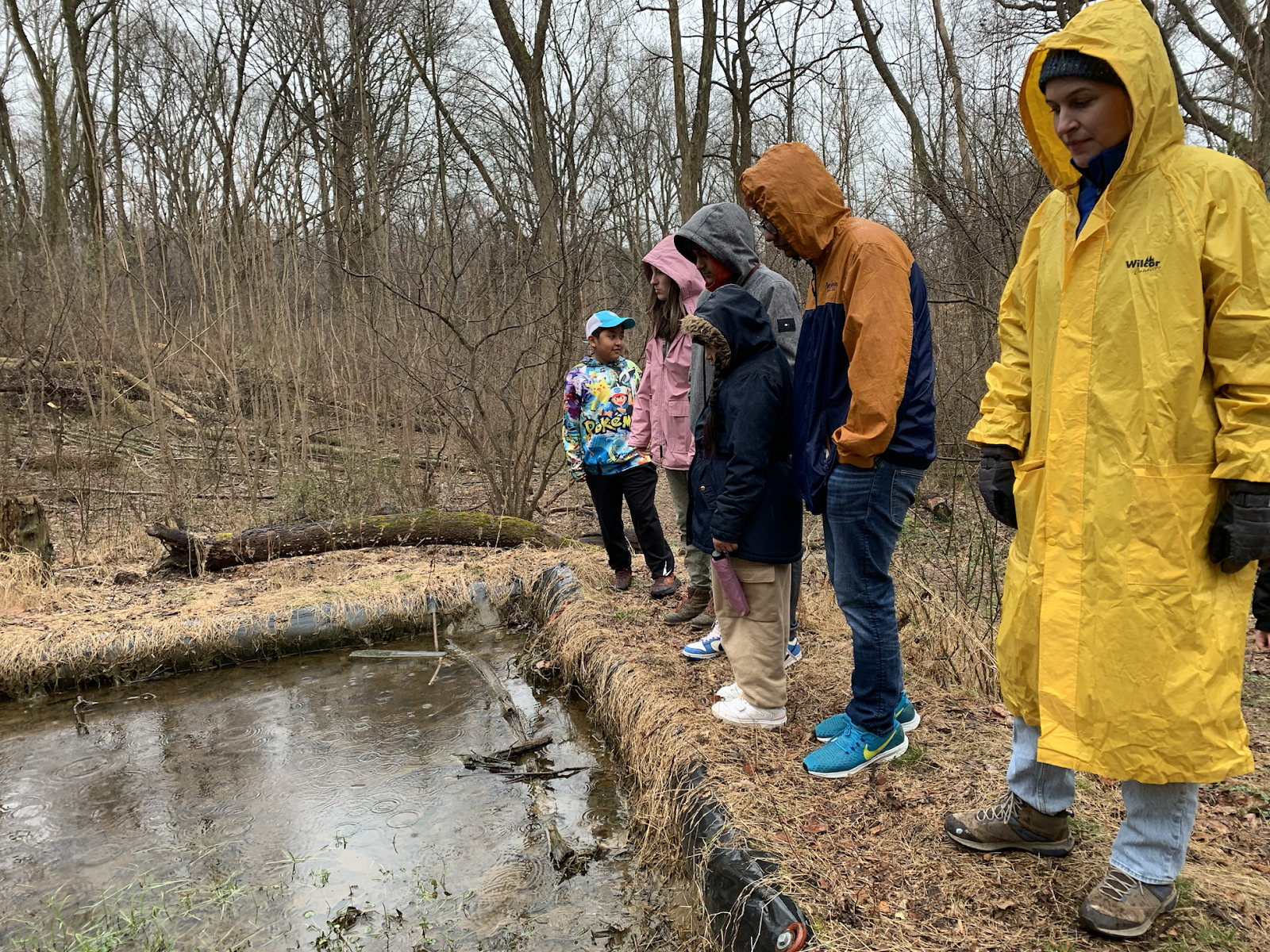
              La clase de fotografía visitando el Schuylkill River Center, 2024

              Por otro lado, con tristeza vemos cómo los niños son expuestos al teléfono celular y a las tabletas desde que nacen y sin control alguno. Quizá desconocemos el daño que les estamos haciendo. De acuerdo con especialistas en adicciones comentan que el uso de pantallas libera dopamina en el cerebro, lo que puede afectar negativamente el control de los impulsos. El periódico inglés Independent en su artículo: “Dar  a su niño un celular, es como darles un gramo de cocaína” (Giving your child a smartphone is like giving them a gram of cocaine, june 2017) comenta el trabajo de la Dra. Mandy Saligari quien es experta en adicciones y es fundadora del “Charter Harley Street” un centro de rehabilitación que se ubica en Londrés, Inglaterra, comenta que la adicción  que los niños y adolescentes muestran a los  teléfonos celulares y tabletas es similar a la adicción al alcohol y a las drogas con efectos similares en la persona, y el comportamiento. No sería descabellado pensar que esto puede orientar a los niños y adolescentes a las adicciones más adelante por la necesidad de un estimulo. Aunque esto último aun no se puede comprobar. 

              Por otro lado, la Dra. Saligari en varias de su pláticas añade que se opone totalmente a que se les dé a los niños y adolescentes aparatos electrónicos en los cuales tienen acceso a contenidos que no están listos para procesar y entender, y añade que el tiempo frente a una pantalla afecta la corteza frontal del cerebro, y que puede equivaler a dar un gramo de cocaína a un niño. De aquí surge la pregunta ¿Cuántos de nosotros estaríamos dispuestos a dar un gramo de cocaína a nuestros hijos cada día? Suena como una locura esto, pero desgraciadamente es lo que sucede cuando se dan aparatos electrónicos a temprana edad. Las conclusiones de la Dra. Saligari son duras y dolorosas porque es común hoy en dia ver niños de dos años manejando tabletas, en vez de explorar su entorno, es común ver adolescentes sumergidos y encorvados con dos manos en el teléfono perdidos en las redes sociales y sintiendo ansiedad por la manera en cómo se relacionan con el mundo, en vez de gozar jugar y convivir sanamente con sus pares haciendo actividades juntos. El costo mayor es que los aparatos electrónicos están robando la vida a nuestros hijos, y les está robando la posibilidad de experimentar el mundo real.

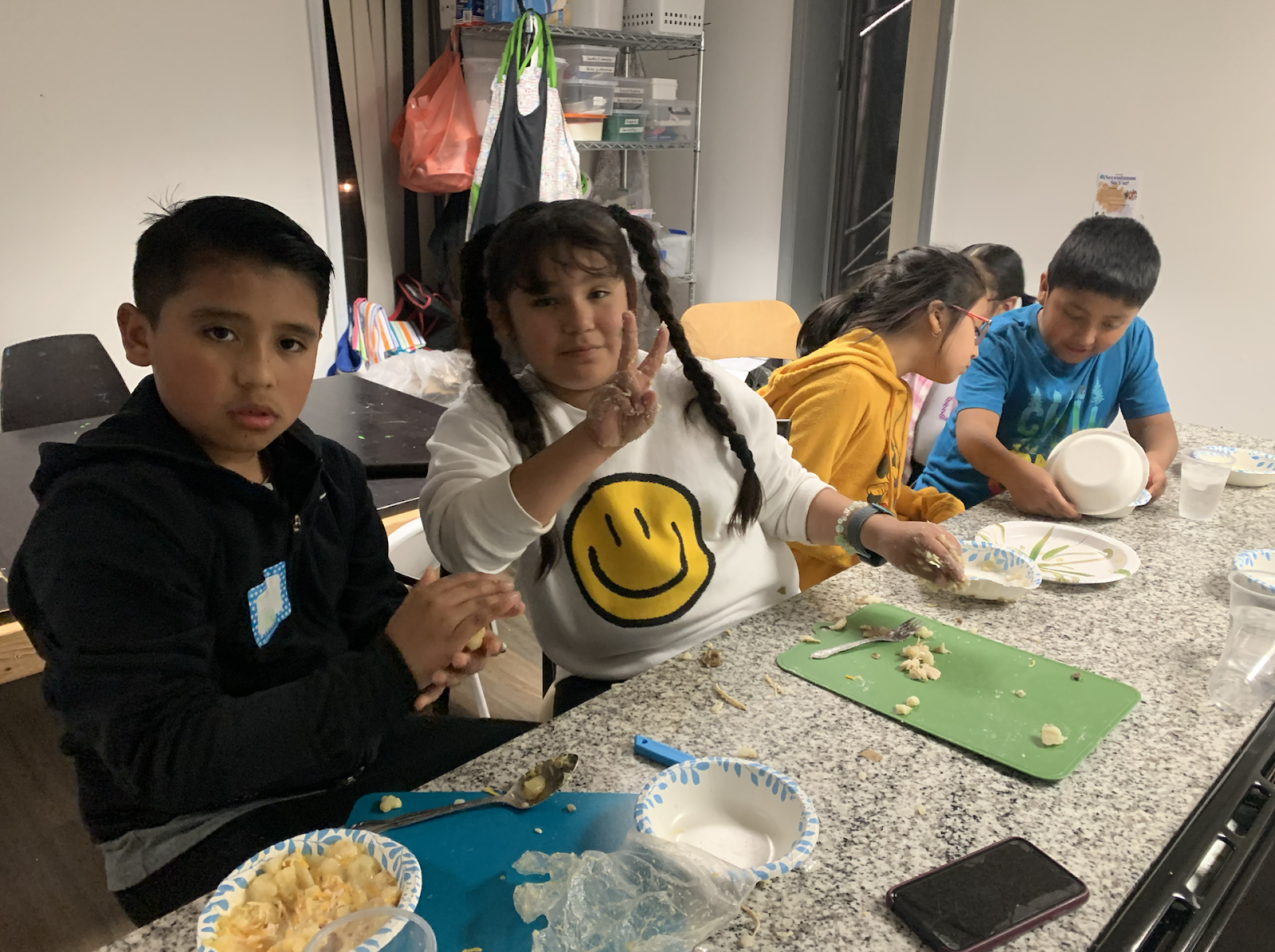
              Clase de cocina saludable, 2024

              En CCATE no proponemos que los niños no conozcan la tecnología, o la usen, sino que se acerquen a ella de manera sana, con límites y que tengan acceso a contenidos propios para la edad de ellos. Pero más importante en CCATE les damos oportunidades para que se acerquen al mundo a través de la convivencia, la experimentación, la exploración del conocimiento, la naturaleza, la lectura, el juego, el arte, el papel, los colores, el lápiz, la cámara análoga, el cine, y la convivencia diaria con sus amigos y amigas. 

              También está en los padres y en las madres la oportunidad buscar soluciones ante esta marea de tecnología, que indica pasar tiempo con nuestros hijos, jugar, salir a caminar, escucharlos, conocerlos, hacer arte con ellos, y ayudarles a saciar su conocimiento explorando el mundo que les rodea, y aprender a vivir libres de adicciones para que puedan orientar su vida ejerciendo todas sus capacidades. 

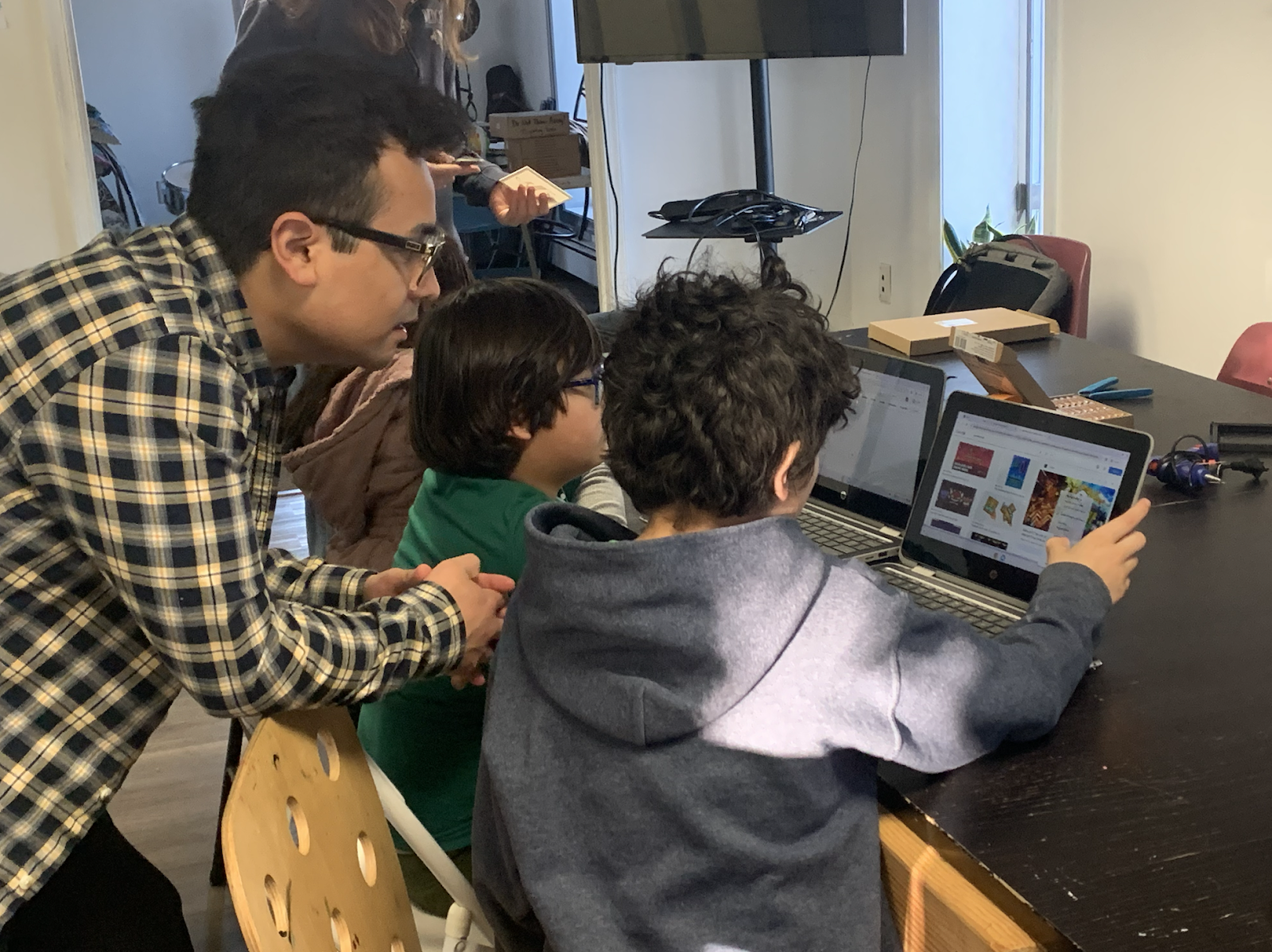
              Clase de 3D design with Ing. Carlos Gonzalez, 2024


              English Version:

              Books and experiences vs. Phones and tablets

              This time I want to write about what happens in our own home at the Center for Culture, Art, Work and Education (CCATE).

              One of the principles of CCATE is to recognize the knowledge and talents that we have in the community, in this way it is the children, adolescents, young people, and adults who teach the workshops and formative classes. The importance of these workshops is to expose children to various knowledge from an early age. So at CCATE every day after doing homework, and playing outside for a while, everything stops and we all grab a book. Later we go to our workshops which can vary from new technologies to analogue knowledge, from art, gardening to cooking, digital music, violin and guitar.

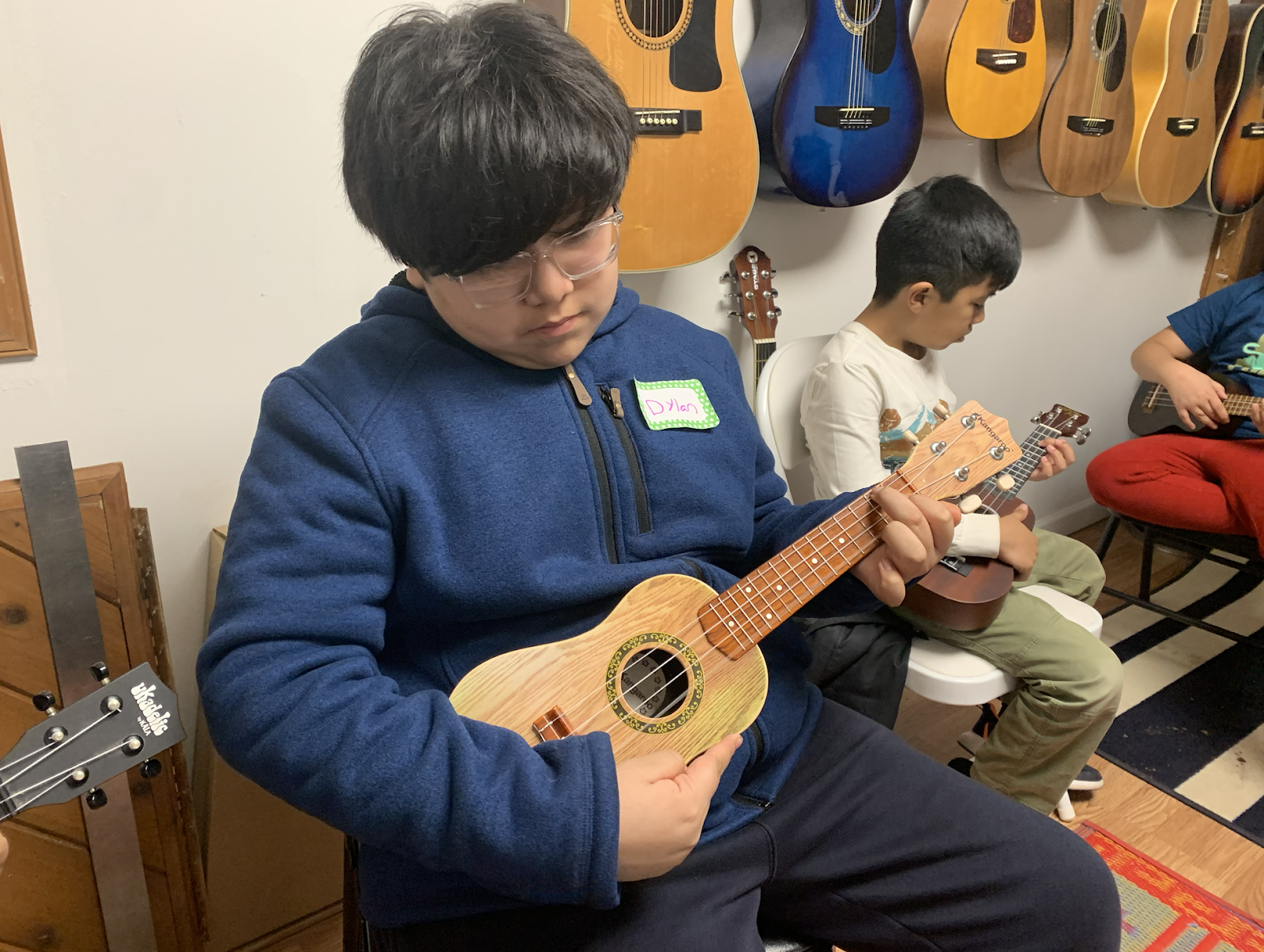
              Guitar and ukulele class, 2024

              It is no longer a surprise for us to hear 10-year-old girls propose classes that they want to teach and explore, and it is our job as adults to give them the tools so that their curiosity to learn is satisfied, classes like “slime”, science, reading and playing are classes that they have proposed and in which they teach in the company of two adults. This is how we break with the systems that fragment knowledge. CCATE students naturally navigate interdisciplinarity without hearing that “it cannot be done because it does not comply with the PISA, Pennsylvania or ENLACE tests.”

              On the other hand, with sadness we see how children are exposed to cell phones and tablets from birth and without any control. Perhaps we are unaware of the damage we are doing to them. According to addiction specialists, they comment that the use of screens releases dopamine in the brain, which can negatively affect impulse control. The English newspaper Independent in its article: “Giving your child a smartphone is like giving them a gram of cocaine, June 2017) comments on the work of Dr. Mandy Saligari, who is an addiction expert and founder of “Charter Harley Street,” a rehabilitation center located in London, England, comments that the addiction that children and adolescents show to cell phones and tablets is similar to the addiction to alcohol and drugs with similar effects on the person, and behavior. It would not be unreasonable to think that this can lead children and adolescents to addictions later on due to the need for a stimulus. Although the latter cannot yet be verified.

              Dr. Saligari in several of her talks adds that she is totally opposed to giving children and adolescents electronic devices in which they have access to content that they are not ready to process and understand, and adds that the time spent in front of a screen affects the frontal cortex of the brain, and that can be equivalent to giving a gram of cocaine to a child. From here the question arises: How many of us would be willing to give a gram of cocaine to our children every day? This sounds crazy, but unfortunately this is what happens when electronic devices are given at an early age. Dr. Saligari’s conclusions are hard and painful because it is common today to see two-year-old children handling tablets, instead of exploring their environment, it is common to see teenagers immersed and hunched over with two hands on the phone lost in social networks. and feeling anxiety about the way they relate to the world, instead of enjoying playing and living healthily with their peers doing activities together. The biggest cost is that electronic devices are robbing our children of their lives, and robbing them of the ability to experience the real world.

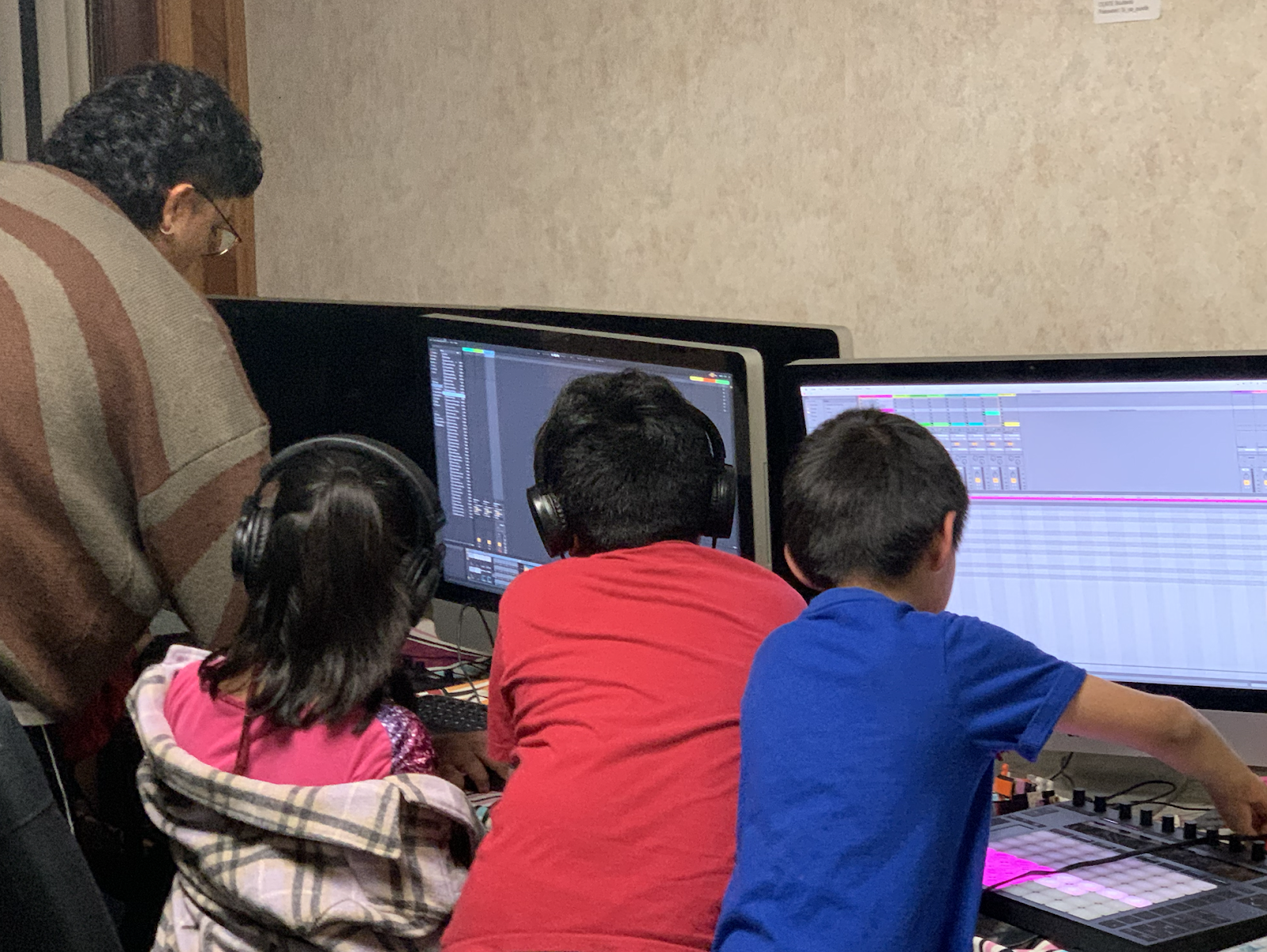
              Electronic music class with teachers Andy and Pablo, 2024

              At CCATE we do not propose that children do not know technology, or use it, but that they approach it in a healthy way, with limits and that they have access to content appropriate for their age. But more importantly, at CCATE we give them opportunities to get closer to the world through coexistence, experimentation, exploration of knowledge, nature, reading, play, art, paper, colors, pencil, analog camera, cinema, and daily life with his friends.

              It is also the opportunity for fathers and mothers to seek solutions to this tide of technology, which means spending time with our children, playing, going for a walk, listening to them, getting to know them, making art with them, and helping them satisfy their knowledge by exploring the world. world around them, and learn to live free of addictions so that they can guide their lives exercising all their abilities.

              Obed Arango Hisijara

              Obed es mexicano, ciudadano de la América Latina, artista visual y antropólogo. Director de CCATE y profesor de University of Pennsylvania.

              Obed is Mexican, citizen of Latin America, visual artist and anthropologist. Director of CCATE and professor at the University of Pennsylvania.
                • « Go to Previous Page
                • Page 1
                • Interim pages omitted …
                • Page 12
                • Page 13
                • Page 14
                • Page 15
                • Page 16
                • Interim pages omitted …
                • Page 36
                • Go to Next Page »

                Hit the ground running with a minimalist look. Learn More

                Copyright © 2026 · Monochrome Pro on Genesis Framework · WordPress · Log in

                • Instagram
                • Facebook