• Skip to primary navigation
  • Skip to main content

REVARTE

  • Home
  • About
    • REVARTE Collective
  • Issues
    • Número 8
    • Número 7 · 2025
    • Número 6 · 2024
    • Número 5 · 2024
    • Número 4 · 2023
    • Número 3 · 2023
    • Número 2 · 2023
    • Número 1 · 2022
  • Secciones / Sections
    • LITERATURA
    • JUVENTUD
    • ENSAYO
    • COMUNIDAD
    • MEDIA
  • Subscribe
  • Contribute
  • Show Search
Hide Search

RevarteColectiva

How I Experience Art

RevarteColectiva · June 18, 2023 · Leave a Comment

I experience art the way I experience life: through the lens of a Costa Rican-American and self-proclaimed “Pennsylrican” that straddles two cultures, two languages, and a multitude of intersecting identities.

When I see a colorful set welcoming me into the world of a play; when I hear the tuning of an orchestra; when I taste a meal that tells a story; when I smell the pages of a new book; and when I touch a fresh skein of yarn as I crochet a scarf, my senses fuse with my memories and observations of the world up to that moment. Filtering these experiences through my life, I react by laughing, crying, empathizing, cheering, screaming, and reflecting. These reactions, in turn, compel me to dance, act, sing, write, and create my own art.

Of all the arts, theatre holds a special space within me. I first experienced it as an audience member, watching my older cousin perform in her high school’s musical each year. There I was, witnessing so many people and separate pieces moving in carefully rehearsed synchronicity; actors, costumes, stage crew, sets, props, music, dancing, and more, all with the objective of giving me and the audience the best performance possible.

Then, between the elementary school play with my first lead role as a rooster, and my transition to backstage controlling the lights for the middle school musical, I began to experience theatre through actively making it. During high school and college—especially after getting a job and having my own disposable income to take advantage of every student discount ticket offer I could find!—I ebbed and flowed between the roles of audience member and artist before graduating with a degree in theatre and music. From here, I acknowledged that for me to fulfill my artistic needs and my financial needs, I must add the role of “arts administrator,” in turn experiencing art through new roles like grant writer, group sales manager, education director, and more.

In my mid-20s, I served as stage manager for The Duende Cycle. For this theatre project, we presented two plays in repertory, where the same group of actors performed multiple plays in rotation. This was the first time in my theatre career where a project centered and amplified stories of the Latin diaspora and was brought to life by a cast and creative team that was majority Latinx, reflecting the diversity within our community across nationality, skin complexion, hair texture, age, fluency in Spanish, and more.

I was both grateful to have this opportunity and I was terrified at the same time because I knew this was going to push my knowledge of the Spanish language to its limits. Yes, my father was an immigrant from Costa Rica and Spanish was his first language, but I acquired Spanish almost exclusively through Spanish class in school. This was in large part due to my stubbornness about the need to learn Spanish in my Pennsylrican household where my mother, Elaine, was an English-speaking Pennsylvanian and my father, also named Gilberto, was a bilingual tico (the colloquialism for what Costa Ricans call ourselves).

As stage manager for The Duende Cycle, the job responsibility that gave me the most anxiety was helping the actors remember their lines when we reached the point during rehearsals where they were “off-book” and no longer using their scripts. Whenever an actor would forget their line, they would say the word “line,” and I would then say their line from the script to help jog their memory.

This meant that at any given moment, I would be on the spot to say whatever line the actor was forgetting, whether it was in English or Spanish. At first, when speaking Spanish, my tongue would usually stumble over itself in trying to say a line. Eventually, with support and patience from the cast and crew and as I became more familiar with the script, I was able to do this with ease and precision, something I have always lacked when it came to my confidence with my Spanish. This theatre experience even helped me with acquiring new vocabulary; I will now forever remember the meaning of the word “navaja” because of this knife’s importance in one of the plays.

A couple years later, I had my first theatre experience in Costa Rica—a presentation of stories, songs, and dances from tico folklore and history—as part of El Festival Internacional de las Artes (FIA). My first time at FIA also marked my first theatre experience that was entirely in Spanish from beginning to end: from seeking information on productions that would be happening when I was visiting; to determining which bus routes I needed to take to get to the theater; to locating the theater’s entrance by asking people on the street or reading signage; to perusing the program book while waiting for the show to start; and finally, listening to the dialogue and lyrics during the performance, all in Spanish.

For a tico like me that struggles to read, write, and listen in Spanish, finding theatre was way more challenging for me in Costa Rica than in the US, but also well worth it because I witnessed tico theatre artists in abundance and infinite varieties creating art through our shared humanity, history, culture, and customs.

While my experience being in a predominantly-Latinx theatre production in the US was transformative and allowed me to see parts of my identity reflected on stage as I’d never seen before, there was something even more magical about experiencing tico theatre in Costa Rica featuring tico actors and tico dancers and a tico production crew and tico designers and a tico marketing team and tico audiences. Although I have since returned from Costa Rica, these new theatrical memories now live within me and have reignited my commitment to sharing tico and Pennsylrican stories, particularly here in Pennsylvania.

And this brings me to how I experience theatre today. As an audience member, I prioritize productions centering mi gente and theatre companies that are Latinx-led and -serving. As an educator, I have collaborated on writing original plays with students of all ages in English, Spanish, and, most often, both languages (and also learned from the students when I didn’t know a certain word in Spanish or needed a reminder on how to conjugate a verb). As someone committed to making theatre more accessible to Hispanics, I have read aloud live Spanish translations for a play, speaking almost 200 words per minute over two hours in rapid-fire Spanish to keep up with the fast-paced dialogue happening on stage.

Most recently, I now experience theatre as a playwright by writing my first full-length play with a tico protagonist. Thanks to working at Theatre Horizon in Norristown and being welcomed into community hubs like CCATE, I have developed an improved sense of self-worth and confidence when it comes to how my many intersecting identities and languages come together and manifest in the art I create and experience. I imagine and dream that in the future, I will continue to experience art that makes me feel seen and heard and valued and recognized in all my beautiful, vibrant, intricate complexity—here in the United States, in Costa Rica, and around the world.

Gilberto Vega

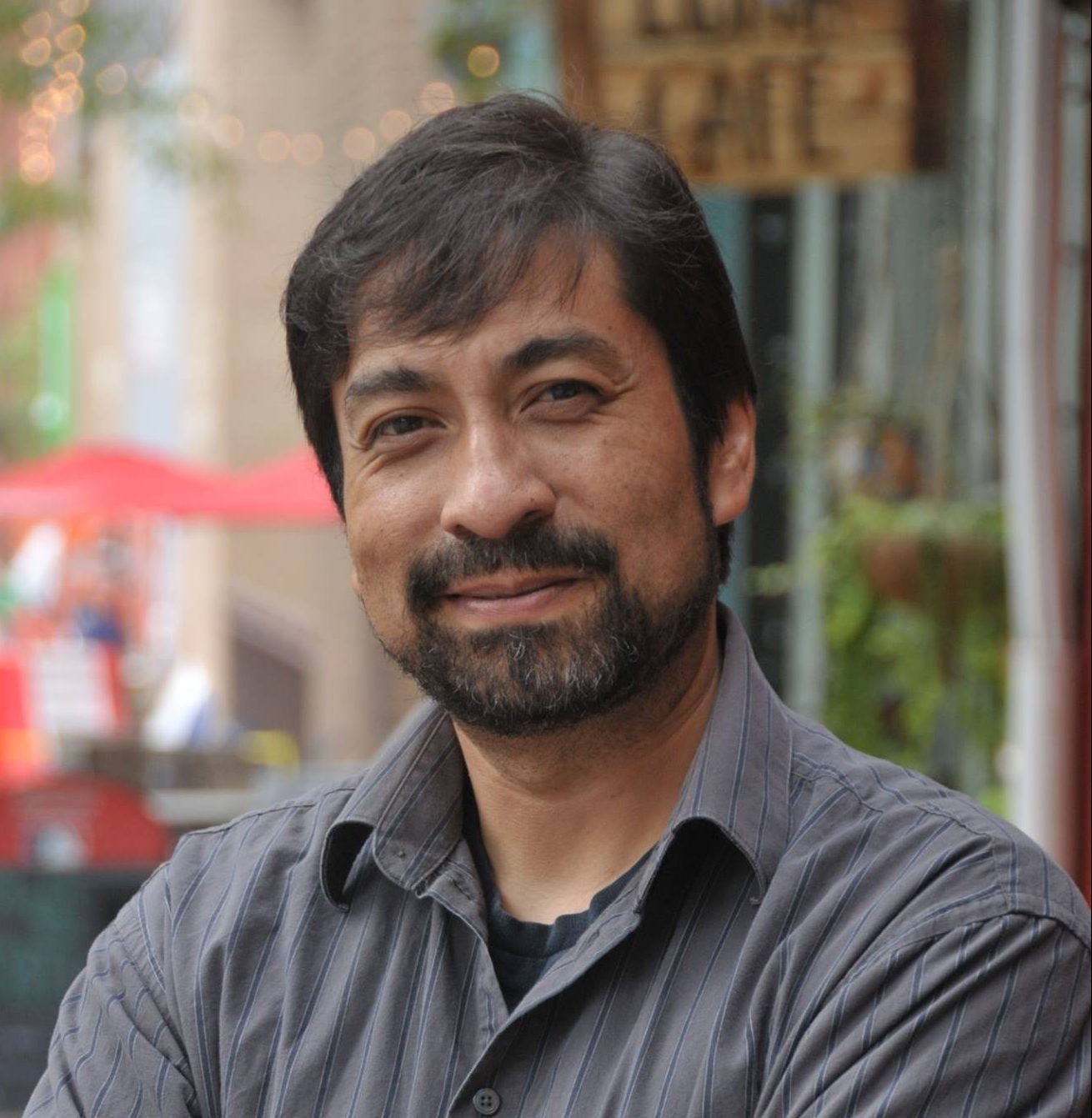
Gilberto Vega is a queer Costa Rican-American creator, educator, and administrator for music and theatre. A proud “Pennsylrican” from Lancaster, PA and graduate of the University of Pennsylvania, Gilberto serves as the Director of External Relations at Theatre Horizon and is a freelance writer, director, and dramaturg.
    Querido, Andy: Sinceramente, Bamf. [OFFICIAL VIDEO]

    RevarteColectiva · February 15, 2023 · Leave a Comment

    Production Credits: Andy BAMF, Pablo González y  Arlon Trinidad

    Andy BAMF

    Mi nombre andres pero mi nombre artistico es Andy BAMF. soy Un artista urbano de 19 años del genero HIP HOP Originario de Acapulco Guerrero y crecido y criado en Norristown PA.

      Diálogos por el Perú

      RevarteColectiva · February 15, 2023 · Leave a Comment

      En medio de tanta incertidumbre y zozobra en que vive el Perú. Desde QR – Quijote Radio en alianza con la Coordinadora Nacional de Comunicaciones promueve un espacio de reflexión las voces que nos permita entender  la coyuntura política social del Perú.En esta oportunidad, entrevistamos a Gisela Ortiz, ex ministra de Cultura y activista por los Derechos Humanos. Gisela ha vivido en carne propia la impunidad, hace 30 años los militares del grupo Colina del régimen fujimorista asesinaron a su hermano Enrique  y desde entonces aun sigue la herida abierta.

      Discurso de conmemoración de los 200 años de relaciones diplomáticas entre México y los Estados Unidos

      RevarteColectiva · February 13, 2023 · Leave a Comment

      Museo de Antropología y Arqueología de la Universidad de Pennsylvania

      Nota: Discurso de conmemoración por los 200 años de relaciones diplomáticas entre México y los Estados Unidos. Un evento que convocó el Consulado de México en Filadelfia y el Museo de Antropología y Arqueología de la Universidad de Pennsylvania. Los oradores fueron cónsul de México Carlos Obrador, el alcalde de la Ciudad de Filadelfia  Jim Kenney, la decana asociada de School of Social Policy and Practice (SP2) de la Universidad de Pennsylvania  Kristen De Paor, el director del Penn Museum Dr. Christopher Woods, y el maestro de SP2 de la Universidad de Pennsylvania y director ejecutivo de CCATE, Obed Arango. A continuación presentamos el discurso completo de Obed Arango.

      Es un honor estar aquí como ciudadano mexicano y como ciudadano estadounidense aquí en el Museo de Penn y en la Universidad de Pennsylvania que también son casa para mí y donde realizo mi labor docente. Yo mismo podría decir que soy resultado de la diplomacia y gozo de una doble nacionalidad. Desgraciadamente ese es un privilegio que solo alcanza a algunos, pero que debería alcanzar a los millones que merecen un alivio migratorio.  Hoy le llamo casa a la ciudad de México y a la Ciudad de Filadelfia. Le llamo casa a la UNAM y a UPenn. Es un honor para mí compartir estas palabras para conmemorar la relación de dos naciones que se formaron como resultado de la historia colonial. En 200 años como decimos en México mucha agua a corrido bajo el puente:

      Guerra entre los dos países, pérdida y despojo de territorios, división de familias, distancia y desentendimiento, formas distintas de hacer las cosas y de pensar el mundo, dos culturas dominantes opuestas, que asimismo despojaron a los pueblos originarios, con quienes tenemos una gran deuda.

      El papel de la diplomacia ante la complejidad de la historia es de vital importancia porque nuestro pasado, presente y futuro no puede ser dividido por una barda.

      La diplomacia en cambio crea puentes, busca construir avenidas, entendimiento, negociación y aprecio mutuo. 

      Sin embargo, la historia de ambos países también es una historia de esperanza, de justicia, y de construir nuevos entendimientos humanizantes.

      En las últimas semanas el gobierno de Tejas ha enviado migrantes al interior del país como un arma política de la derecha, como una forma de deshumanizar al migrante. Ante ello la ciudad de Filadelfia, y su gobierno responde de manera digna, de manera humanizante, y solidaria, alcalde Kenney, su gobierno está dando un ejemplo y todos quienes colaboran con usted también, nos hace sentir orgullosos de ser habitantes de Filadelfia. 

      Asimismo, deseo en esta ocasión decir una palabras al consulado de México y al cónsul Carlos Obrador, en todos estos años he visto los grandes retos que el consulado enfrenta cada día, he visto crecer el consulado en mis 21 años como inmigrante, y en todos ellos he conocido personas que han servido ante el urgente llamado de la comunidad, nombres como el de Carlos Giralt, Alicia Kerber, Rocío Vázquez, Carlos Torres, Humberto Guadarrama, y el de usted estimado amigo , entre muchos que no menciono, me vienen a la mente. Y tengo palabras de agradecimiento por responder siempre al llamado que desde la comunidad de Filadelfia y de Norristown he hecho cuando ha sido urgente y necesario. Como mexicano le deseo decir que tiene mi apoyo y el apoyo de nuestra comunidad en CCATE para que continuemos caminando juntos, y asimismo el mío como miembro de la facultad en Penn. 

      Mis palabras finales deseo sean de esperanza, si bien la historia nos ha dado pasajes oscuros y de dolor entre las dos naciones también nos ha dado oportunidades de amor y esperanza. Cada inmigrante, cada padre, cada madre, cada joven y adolescente, cada niño inmigrante de México representa un cónsul, un embajador de México en esta tierra, de hecho, ellos son los mejore embajadores. Y si bien, nuestra contribución con nuestro trabajo es conocido, no es nuestro aporte más importante, sino que es nuestra presencia, nuestros sueños, nuestra existencia que se expresa en el arte, en la cultura, en el conocimiento de la tierra, y con los valores que sostenemos. Es importante decir, que somos embajadores de sueños, de esperanzas que se realizan cada día, y de oportunidades para nuestras familias allá y para nuestras familias aquí.

      En CCATE consideramos que todos somos maestros y todos somos estudiantes, consideramos que todos tenemos la responsabilidad de realizar transformaciones sociales en la educación, la salud, el medio ambiente, el arte, la cultura, la justicia de género. Por eso la comunidad inició círculos de salud, de educción de jóvenes, de investigación, de mujeres artivistas, y más. La obra diaria de la comunidad es la mejor diplomacia que tenemos, sin dejar de reconocer a nuestras autoridades, pero ese que hacer de cada día que mostramos a los Estados Unidos quienes somos como comunidad mexicana y como deseamos construir un presente justo y un futuro prometedor. La agenda de la comunidad es importante, licencias de manejo, dream act estatal, forma de votar en elecciones locales, y una reforma migratoria nacional. Gracias y ¡Viva la comunidad!


      Discourse of commemoration of the 200 years of diplomatic relations between Mexico and the United States.

      University of Pennsylvania, Penn Museum

      Note: Commemorative speech for the 200 years of diplomatic relations between Mexico and the United States. An event that convened the Consulate of Mexico in Philadelphia and the Museum of Anthropology and Archeology of the University of Pennsylvania. The speakers were Consul of Mexico Carlos Obrador, the mayor of the City of Philadelphia Jim Kenney, the associate dean of the School of Social Policy and Practice (SP2) of the University of Pennsylvania Kristen De Paor, the director of the Penn Museum Dr. Christopher Woods , and the SP2 lecturer from the University of Pennsylvania, and executive director of CCATE, Obed Arango. Below we present Obed Arango’s full speech.

      It is an honor to be here as a Mexican citizen and as a United States citizen here at the Penn Museum and here at the University of Pennsylvania that is also my home and where I do my teaching. I could say that I am the result of diplomacy and enjoy dual nationality. Unfortunately, this is a privilege that only reaches a few, but which should reach the millions who deserve immigration relief, (un alivio migratorio) my brothers, and sisters. Today I call Mexico City and the City of Philadelphia home. I call UNAM and UPenn home. It is an honor for me to share these words to commemorate the relationship of two nations that were formed because of colonial history. In 200 years, as we say in Mexico, a lot of water has flowed under the bridge:

      war between the two countries, loss and dispossession of territories, division of families, distance and misunderstanding, different ways of doing things and thinking about the world, two opposing dominant cultures, which also dispossessed the original peoples, the indigenous communities, with whom we have a great debt.

      The role of diplomacy in the face of the complexity of history is of vital importance because our past, present, and future cannot be divided by a wall. Those who claim build the wall are in the wrong side of history.

      Diplomacy, on the other hand, creates bridges, seeks to build avenues, understanding, negotiation and mutual appreciation, recognition of the mutual existence.

      In recent weeks, the Texas government has sent migrants to the interior of the country as a right-wing political measure, as a way of dehumanizing the migrant. Faced with this, the city of Philadelphia, and its government, responds in a dignified, humane, and supportive manner, Mayor Kenney, your government is setting an example and everyone who collaborates with you too, makes us feel proud to be Philadelphians.

      Also, on this occasion, I would like to say a word to the Mexican Consulate and Consul Carlos Obrador, in all these years I have seen the great challenges that the Consulate faces every day, I have seen the Consulate grow in my 21 years as an immigrant, and in all I have met people who have served in response to the urgent call of the community, names like today Ambassador Carlos Giralt, Alicia Kerber, Rocio Vazquez, Carlos Torres, Humberto Guadarrama, and yours, dear friend, among many that I have not mentioned, come to me. I have words of gratitude for always responding to the call that I have made from the Philadelphia and Norristown community when it has been urgent and necessary. As a Mexican, I want to say that you have my support and the support of our community at CCATE so that we continue walking together, on the same way you have my support as a member of the UPenn faculty.

      My finals words today are of hope, although history has given us dark passages and pain between the nations, it also gives us opportunities. Each immigrant, each father, each mother, each youth and adolescent, each immigrant child from Mexico represents a consul, an ambassador of Mexico in this land (Puedo decir que los mejores embajadores y consules son los inmigrantes). And although our contribution to the economy for some is recognized, that is not our most important contribution, it is our presence, our dreams and our existence and the knowledge that we carry with us and that is expressed through, art, culture, care for the land and family values.

      At CCATE we believe that we are all teachers, and we are all students, we believe that we all have the responsibility to carry out social transformations in education, health, the environment, art, culture, and gender justice. But I can say that this is not only true at CCATE however in the whole immigrant community. That is why we have created organizations for the art, culture, education, health, and care of the earth. The daily work of the community is the best diplomacy we have, without ceasing to recognize our authorities, but what to do every day that we show the United States who we are as a Mexican community and how we want to build a fair present and a promising future. The community social agenda matters, driver’s licenses, state dream act, city dream act, participation in local elections, and national immigration reform. It is deep in my hearth and hope that the City of Philadelphia and the Mexican Consulate continues being an example of a progressive agenda welcoming immigrants and carry the causes of justice and the causes that humanize us.   

      Gracias and ¡Viva la comunidad!

      Obed Arango Hisijara

      Obed es mexicano, ciudadano de la América Latina, artista visual y antropólogo. Director de CCATE y profesor de University of Pennsylvania.

        La pieza que completa nuestra misión de leer y escribir

        RevarteColectiva · February 13, 2023 · Leave a Comment

        Click here for English

        Leer es un arte que nos abre  el horizonte a situaciones increibles, nuestra imaginación vuela, nuestro potencial de crear explota y…

        es momento de escribir.

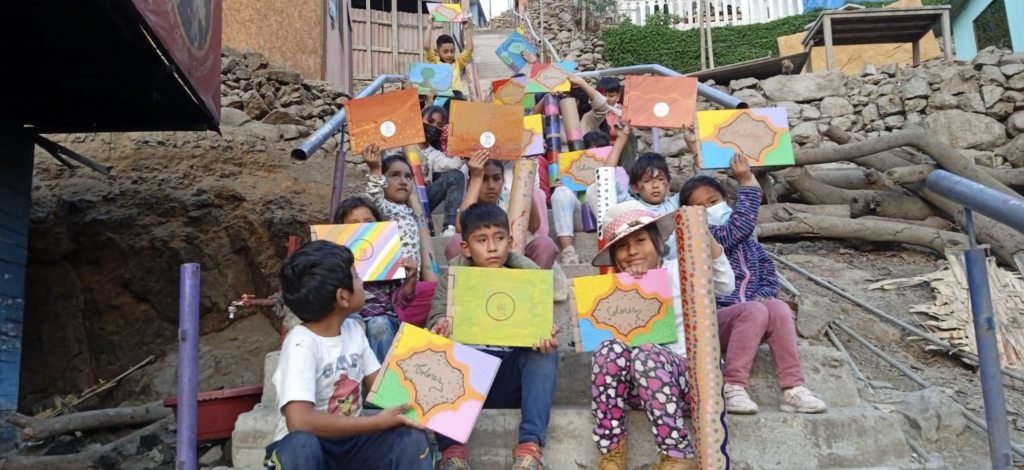
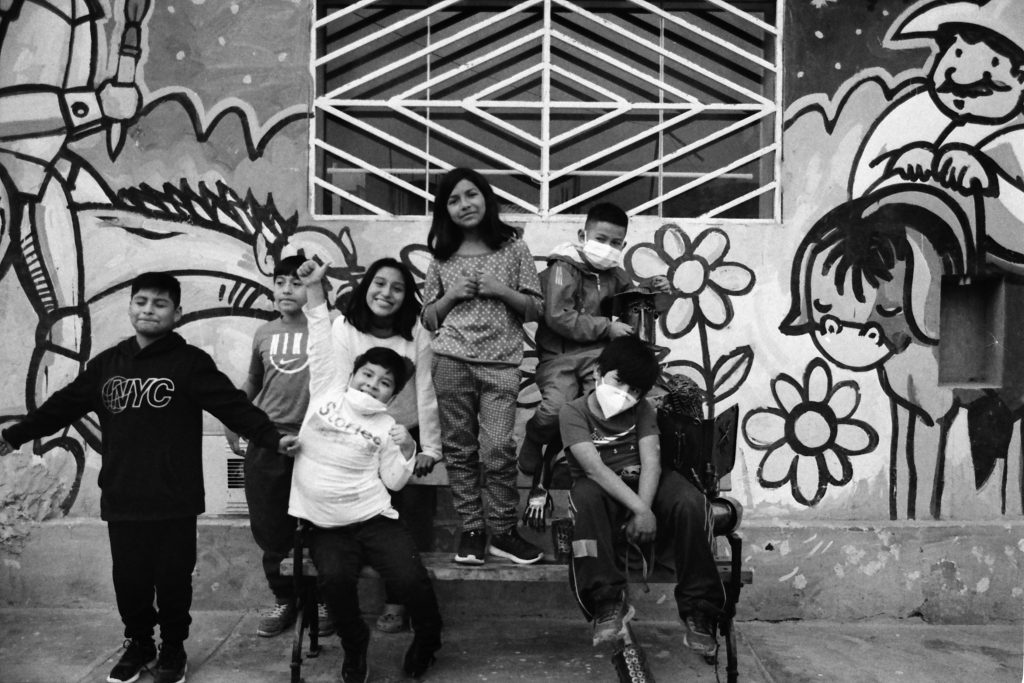
        En la biblioteca Don Quijote y su Manchita despues de 14 años de caminar  con libros de todo tipo, nos atrevimos a escribir.

        Pero cuan lejano veiamos la publicación de libros por los estereotipos que nos invaden, cantidad de texto, cantidad de dinero, cantidad de ejemplares, todo un mundo convencional.

        En ese camino, llegó a nuestra vida la filosofía cartonera, como posibilidad de hacer que nuestro sueño se haga realidad.

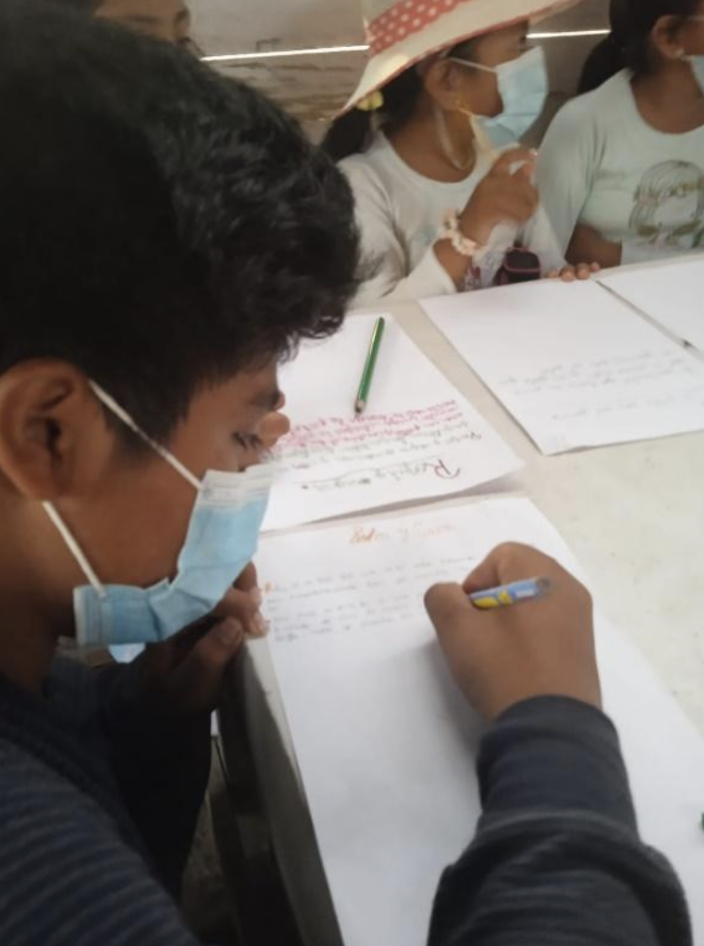
        Libros hechos a mano, hechos de cartones, hechos por niños, niñas, adolescentes y  mujeres, etc, son ellos y ellas, los más vulnerables en tiempos de pandemia, pero a la vez quienes han sacado fuerzas para seguir resistiendo.

        Entonces descubrimos que es posible la DEMOCRATIZACION DE LA PALABRA ESCRITA. 

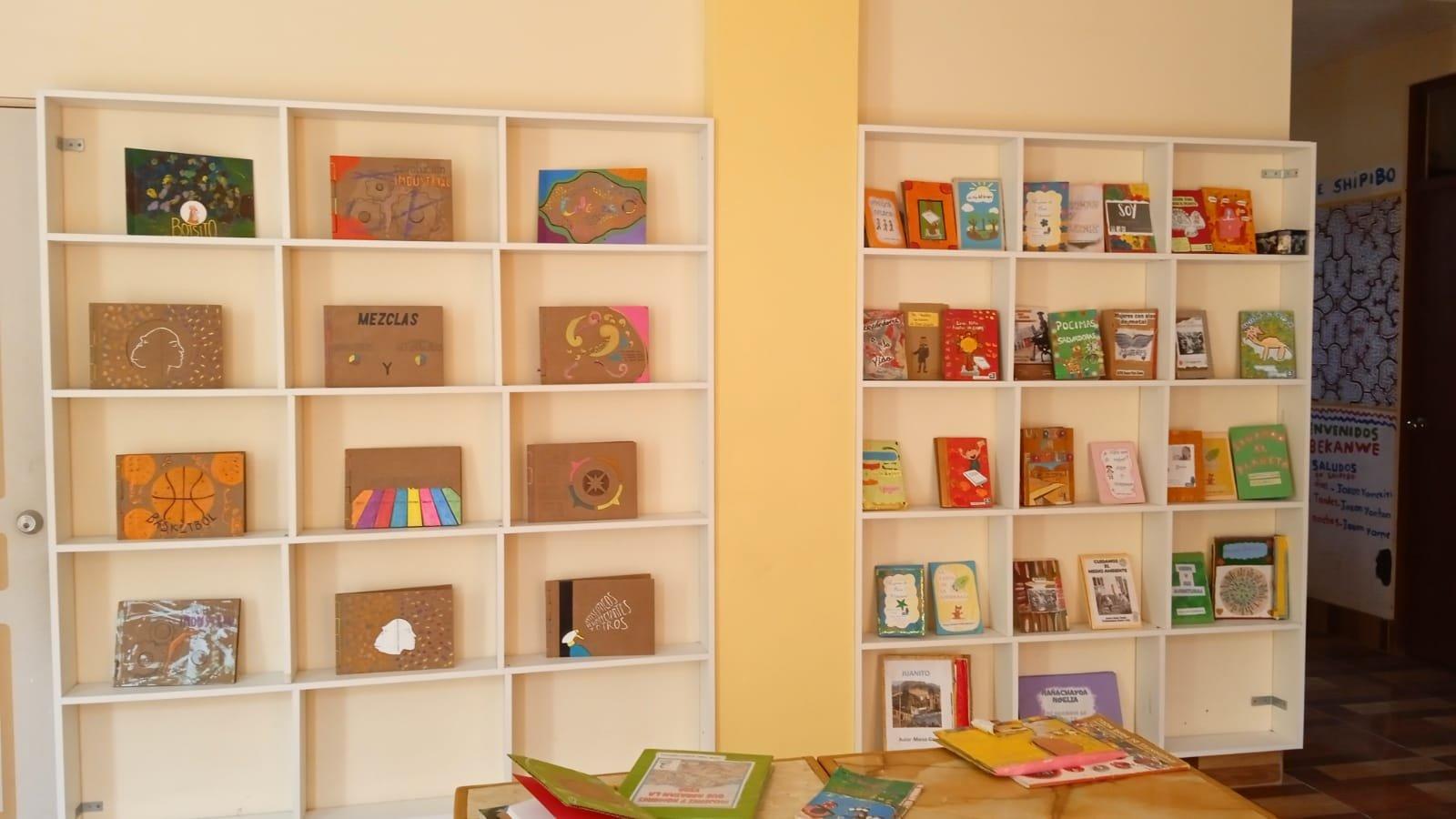
        Descubrimos que los cartones pueden trasnformarse  en libros sin licencias, con total libertad, accesible a todos y todas.

        La edicion de  libros cartoneros es una  respuesta revolucionaria al sistema elitista en donde la palabra escrita siempre fue propiedad de pequeños grupos sociales, llamados la elite de la Ciudad letrada, eso implica que muy pocos tienen derecho de leer y escribir, en este sentido  el libro convencional es un objeto  exclusivo para los lectores y escritores.

        A través de los libros cartoneros, nace la  respuesta a esta gran injusticia, em impulso de la filosofía cartonera OTRO LIBRO ES POSIBLE!

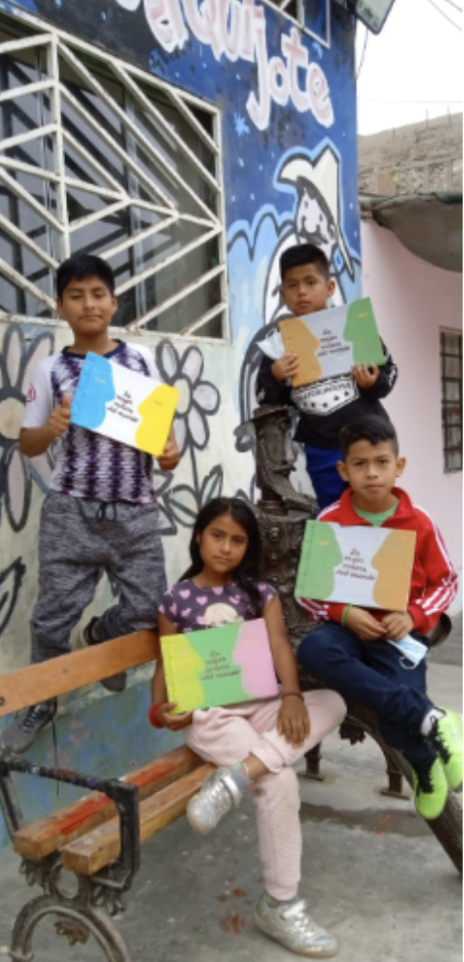
        Este año 2023, la Biblioteca  Don Quijote y su Manchita encontró la pieza que faltaba para acceder a la publicacion de nuevos libros a través de la Editorial  Sancho Cartonero.

        Esta gran columna que hoy nos sostiene, se va tejiendo con lo minimo de lo minimo, cartones, hilos, goma, tela y nada más…

         Las historias que se leen en nuestros libros cartoneros son espectaculares, no solo por el tema que contiene, sino por la esencia que nos da el ser ESCRITOR DEL BARRIO. 

        Es maravilloso este reconocimiento que marca nuestra historia para dejar el legado escrito en un ambiente especial, la biblioteca Sancho Cartonero, nombre inspirado en el otro gran personaje de la novela. El sancho es el binomio perfecto junto al Quijote de la Mancha, esa relación entre la realidad – utopía.

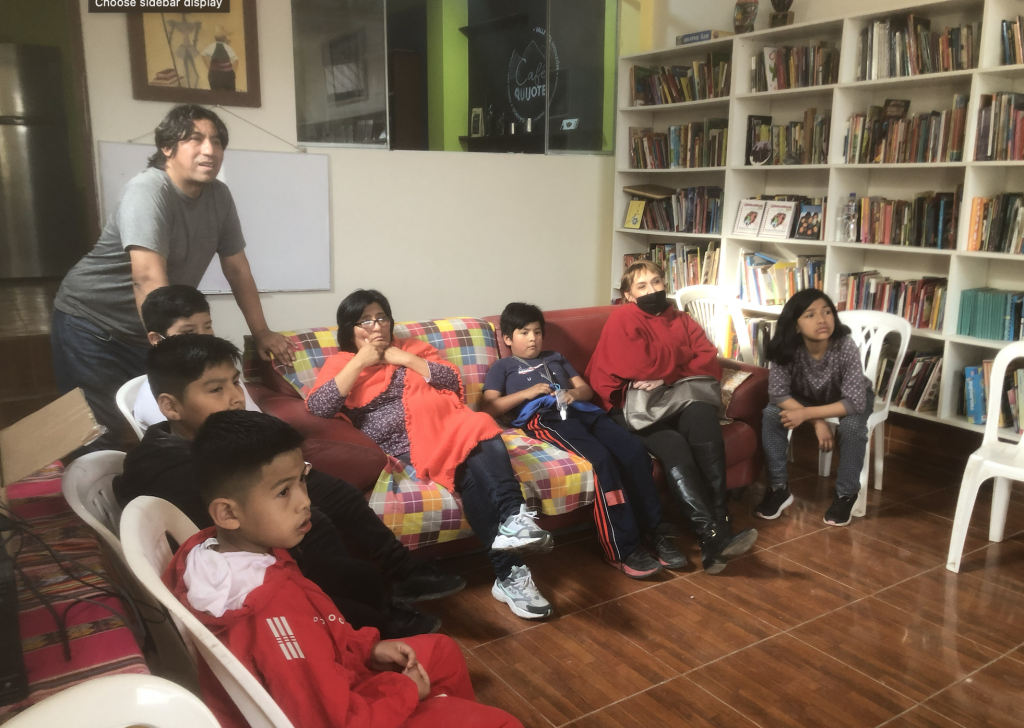
        En este espacio unico, en donde los libros son nuestros, donde los escritores son nuestros amigos, amigas, hermanos hermanas, etc.

        Somos felices, somos los Escritores del Barrio.

        C:\Users\Eddy\Downloads\288478118_157858926786712_6268128752773664364_n.jpg

        La editorial Sancho Cartonero, es parte del El Proyecto  Quijote Para la Vida, proyecto  teñido por la filosofía de Paulo Freire y la Educación Popular.

        La metodología de las actividades del Proyecto Quijote  está basada en una educación fuera de la escuela que busca permanentemente  ser práctica de la libertad de los niños, niñas y educadores populares.

        Esta experiencia está en permanente cambio, después de la práctica se reflexiona y se transforma.

        Nuestro gran reto es dar respuesta a la gran problemática  que vivimos cada día en nuestro país, Sancho Cartonero es una respuesta a la apatía de la lectura, leer y  crecer para la vida, para formarse integralmente y vivir con dignidad, por ello nuestro objetivo es formar niños y niñas ciudadanos activos y críticos del contexto.

        Asumimos la gran tarea  que nuestra práctica educativa   logre desarrollar capacidad crítica y reflexiva; y producir transformaciones en las formas de pensar de los niños y niñas para que sean promotores activos dentro de su realidad y comunidad.

        Por ello en toda actividad estamos permanentemente desarrollando la capacidad creativa y transformadora de las personas; la capacidad de asombro, que todos tenemos  como derecho principal de transformación social.

        Otra característica de nuestra metodología, inspirada en Paulo  Freire es la capacidad de inclusión, entendida desde los derechos humanos y el acceso al libro, a la música, al arte, al deporte que en nuestro país, increíblemente son negados  a las personas de escasos recursos económicos.

        Nuestra metodología, por ser inspirada en una pedagogía basada en la práctica,  está sometida constantemente al cambio, a la evolución dinámica y reformulación.  Creemos que si la persona es un ser inacabado, y este ser inacabado es el centro y motor de esta pedagogía, es obvio que el método tendrá que seguir su ritmo de dinamicidad y desarrollo con una constante reformulación.

        Las actividades que trabajamos están inspiradas en la figura del Ingenioso Hidalgo Don Quijote de la Mancha y tambien el personaje Sancho Panza.

        El Quijote y Sancho nos invita en cada sesión a ser personas leales, honestas, justas, soñadoras, utópicas, participativas, a descubrir que  es posible vivir felices y transformar nuestra realidad desde acciones muy sencillas. 

        ENGLISH

        The Piece That Completes Our Mission to Read and Write

        Reading is an art that opens the horizon to incredible situations, our imagination flies, our potential to create explodes and…

        it’s time to write.

        In the Don Quijote y su Manchita library, after 14 years of walking with books of all kinds, we dared to write. But how distant we saw the publication of books due to the stereotypes that invade us, amount of text, amount of money, number of copies, a whole conventional world.

        Along this path, the cartonera philosophy came into our lives, as a possibility to make our dream come true.

        Handmade books, made of cardboard, made by boys, girls, adolescents, and women, etc., they are the most vulnerable in times of pandemic, but at the same time who have drawn strength to continue resisting.

        Then we discovered that the DEMOCRATIZATION OF THE WRITTEN WORD is possible.

        We discovered that cardboard can be transformed and become books without licenses, with total freedom, accessible to everyone.

        The edition of cardboard books is a revolutionary response to the elitist system where the written word has always been the property of small social groups, called the elite of the Lettered City, which implies that very few have the right to read and write, in this sense the book conventional is an exclusive object for readers and writers.

        Through the cardboard books, the response to this great injustice is born, in the impulse of the cardboard philosophy ANOTHER BOOK IS POSSIBLE!

        This year 2023, the Don Quijote y su Manchita Library found the missing piece to access the publication of new books through Editorial Sancho Cartonero.

        This great column that supports us today, is woven with the minimum of the minimum, cardboard, threads, rubber, cloth, and nothing else…

         The stories that are read in our cardboard books are spectacular, not only because of the theme it contains, but also because of the essence that being a NEIGHBORHOOD WRITER gives us.

        This recognition that marks our history to leave the legacy written in a special environment is wonderful, the Sancho Cartonero Library, a name inspired by the other great character in the novel. The sancho is the perfect pairing together with Quixote de la Mancha, that relationship between reality – utopia.

        In this unique space, where the books are ours, where the writers are our friends, brothers, sisters, etc.

        We are happy, we are the Writers of the Neighborhood.

        The Sancho Cartonero publishing house is part of the Quixote Project for Life, a project tinged with the philosophy of Paulo Freire and Popular Education.

        The methodology of the activities of the Quijote Project is based on an education outside of school that permanently seeks to be a practice of the freedom of children and popular educators.

        This experience is constantly changing, after practice it reflects and transforms.

        Our great challenge is to respond to the great problems that we experience every day in our country, Sancho Cartonero is an answer to the apathy of reading, to read and grow for life, to be fully educated and live with dignity, for this reason our objective is form boys and girls active and critical citizens of the context.

        We assume the great task that our educational practice manages to develop critical and reflective capacity; and produce transformations in the ways of thinking of boys and girls so that they are active promoters within their reality and community.

        For this reason, in all activities we are constantly developing the creative and transforming capacity of people; the capacity for wonder, which we all have as our main right to social transformation.

        Another characteristic of our methodology, inspired by Paulo Freire, is the capacity for inclusion, understood from human rights and access to books, music, art, and sports, which in our country are incredibly denied to low-income people. economic.

        Our methodology, because it is inspired by a practice-based pedagogy, is constantly subject to change, dynamic evolution and reformulation. We believe that if the person is an unfinished being, and this unfinished being is the center and motor of this pedagogy, it is obvious that the method will have to keep up with its pace of dynamism and development with constant reformulation.

        The activities we work on are inspired by the figure of the Ingenious Hidalgo Don Quixote de la Mancha and also the character Sancho Panza.

        Don Quixote and Sancho invite us in each session to be loyal, honest, fair, dreamy, utopian, participatory people, to discover that it is possible to live happily and transform our reality from very simple actions.

        Editorial Sancho Cartonero
        Escribe: Lis Pérez Quispe 

          • « Go to Previous Page
          • Page 1
          • Interim pages omitted …
          • Page 26
          • Page 27
          • Page 28
          • Page 29
          • Page 30
          • Interim pages omitted …
          • Page 36
          • Go to Next Page »

          Hit the ground running with a minimalist look. Learn More

          Copyright © 2026 · Monochrome Pro on Genesis Framework · WordPress · Log in

          • Instagram
          • Facebook