
Ver todo el Número 8 / See the full issue →
Click here for English version
Tierra y Libertad: la resistencia mapuche frente al vaciamiento del discurso político
(La libertad no le pertenece a Milei, ni le pertenecerá)
Por Obed Arango Hisijara
“La libertad no le pertenece ni a Milei ni a los libertarios, pues en su ceguera materialista se han alejado de la fuente de vida. Son necios, son tontos, son soberbios y son asesinos”.
O. A. H.
El despojo de la tierra y de las territorialidades es una de las grandes tragedias que están sucediendo hoy en la Patagonia argentina, donde el presidente Javier Milei —en su estilo histriónico— intenta apropiarse de una de las palabras más poderosas de la historia de las luchas sociales: “LIBERTAD”.
Este artículo busca poner las cosas en su lugar. La libertad no pertenece a los imperios, ni a las fuerzas colonizadoras, ni a los mercados, ni a los sistemas que durante siglos han construido su riqueza sobre la esclavitud humana, el despojo de los pueblos y la depredación de la naturaleza. Pretender que el neoliberalismo representa la libertad es una de las grandes ficciones cínicas de nuestro tiempo. Bajo su discurso de progreso y desarrollo se oculta una maquinaria de acumulación que convierte la vida en mercancía y reduce la existencia a una ecuación financiera.
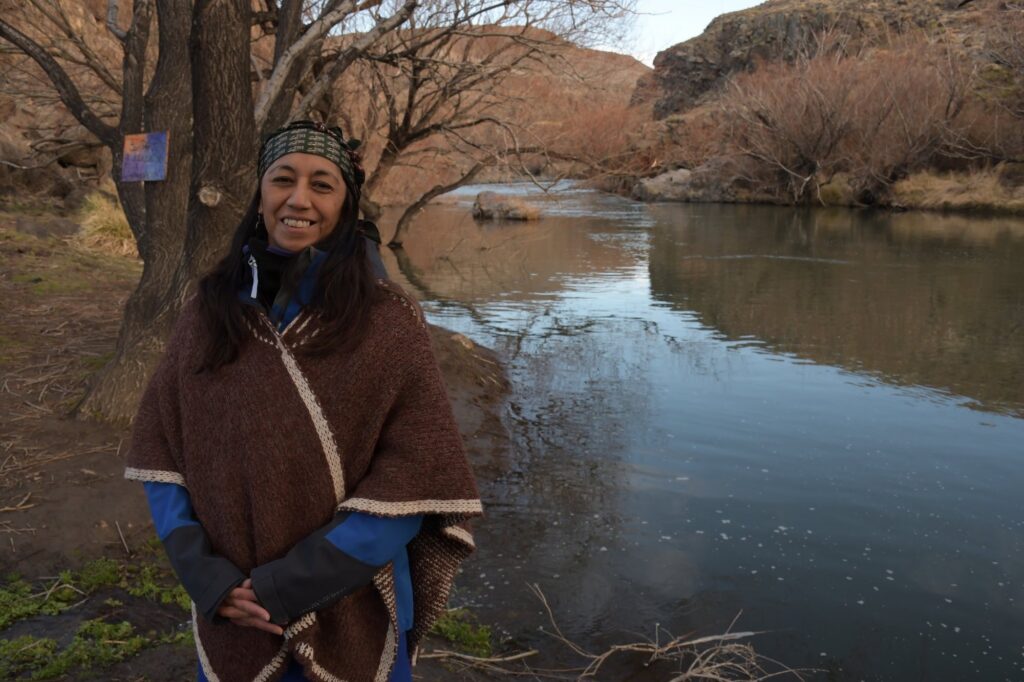
La actual expansión extractivista no responde a ninguna necesidad humana esencial. Es la expresión de una voracidad sin límites que elimina bosques, ríos, montañas y territorios enteros en nombre de indicadores económicos incapaces de medir la destrucción que producen. Mientras las élites celebran el crecimiento de los mercados, comunidades ancestrales son expulsadas de las tierras que han protegido durante generaciones. Lo que para el capital son recursos estratégicos, para los pueblos originarios son territorios vivos, memoria colectiva y fundamento de la existencia.
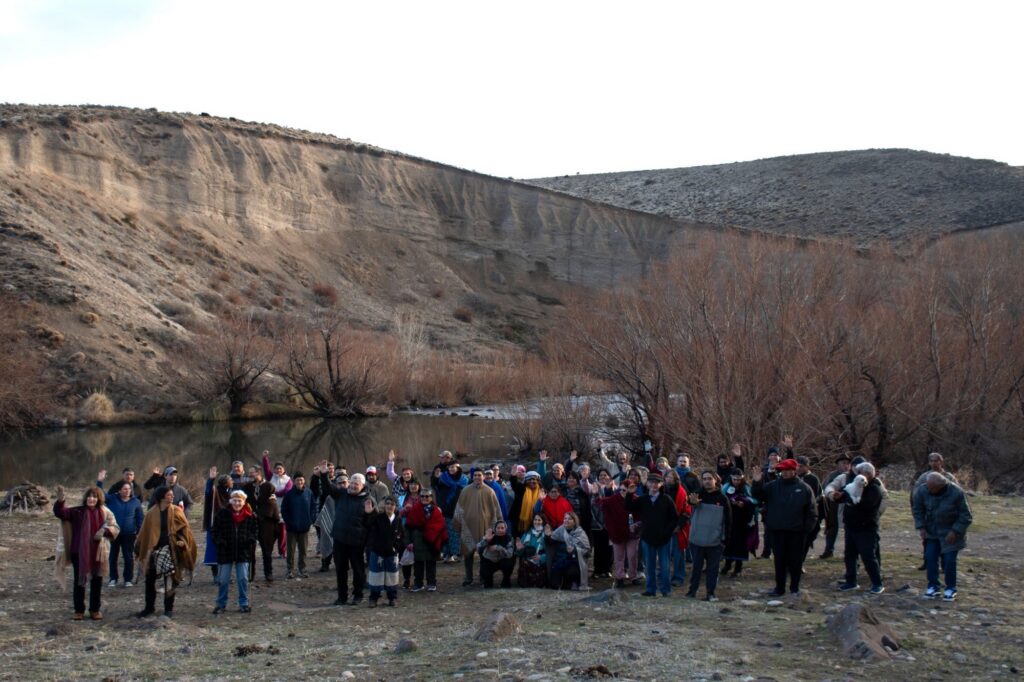
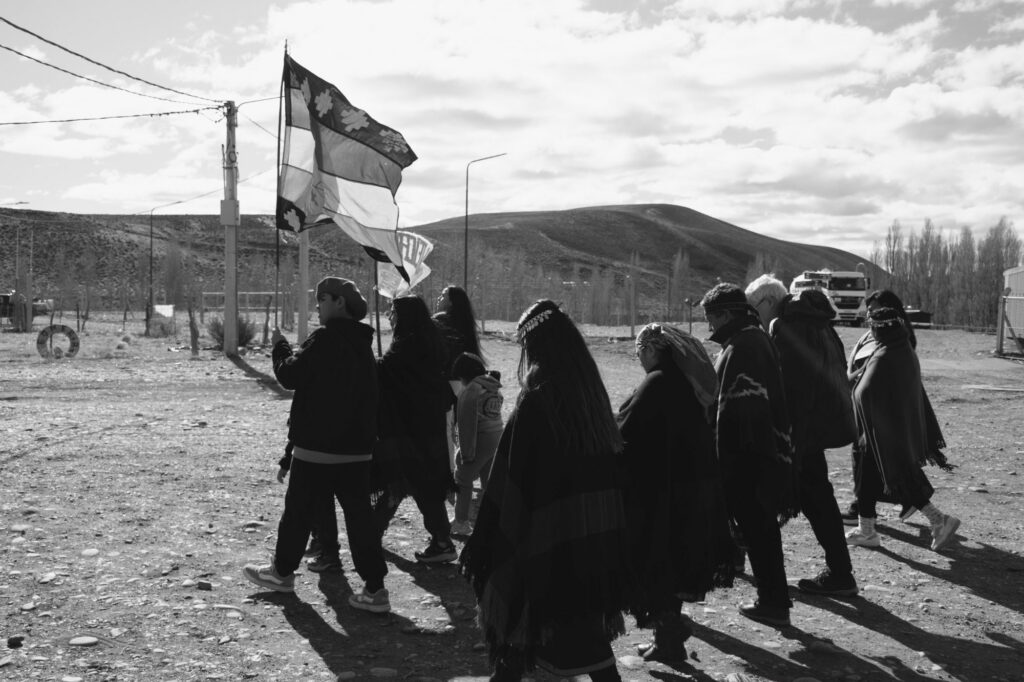
El pueblo mapuche, cuyos territorios se extienden a ambos lados de la cordillera de los Andes, en el sur de Chile y la Patagonia argentina, es uno de los ejemplos más nítidos de esta confrontación histórica. Su sabiduría milenaria enseña que la tierra y las aguas no son propiedades ni mercancías: son vida. Son parte de una red de relaciones que une a seres humanos, animales, montañas, bosques y fuerzas del universo. En contraste, la racionalidad neoliberal es incapaz de reconocer esa dimensión de la existencia. Donde el pueblo mapuche ve comunidad y reciprocidad, el capital ve rentabilidad; donde ve un río vivo, observa una fuente de ganancias; donde reconoce un territorio sagrado, identifica un activo explotable. Esa es, en el fondo, la disputa de nuestro tiempo: la defensa de la vida frente a un modelo que solo sabe convertirla en números y, por ende, en destrucción.
¿Libertad para quién?
Desde fuera de Argentina observé los discursos de Milei: apariciones estridentes con gritos vacíos, conciertos que rayan en el surrealismo y la ridiculez, lo que en inglés se define como el wannabe: su deseo frustrado de querer ser rock star. Una y otra vez, en sus presentaciones, destruye la palabra “libertad”, que en su boca queda despojada de contenido social, pues es usada como bandera por los llamados “libertarios”, que ostentan el poder económico y para quienes significa la defensa de sus privilegios. Al estilo de Trump, Milei ejecuta lo que en México llamaríamos “voltear la tortilla”: se apropia de palabras que son símbolo de lucha para vaciarlas de sentido y ponerlas al servicio de las élites.
Y aquí cabe preguntar: ¿de qué se libera el Banco Mundial? ¿De qué se liberan los terratenientes? ¿De qué se libera el CEO de una empresa como Benetton, a la que prácticamente le regalaron un millón de hectáreas de la Patagonia? Las élites que heredaron el poder hoy se presentan como si fueran víctimas, cuando son, históricamente, los verdugos, y lo siguen siendo.
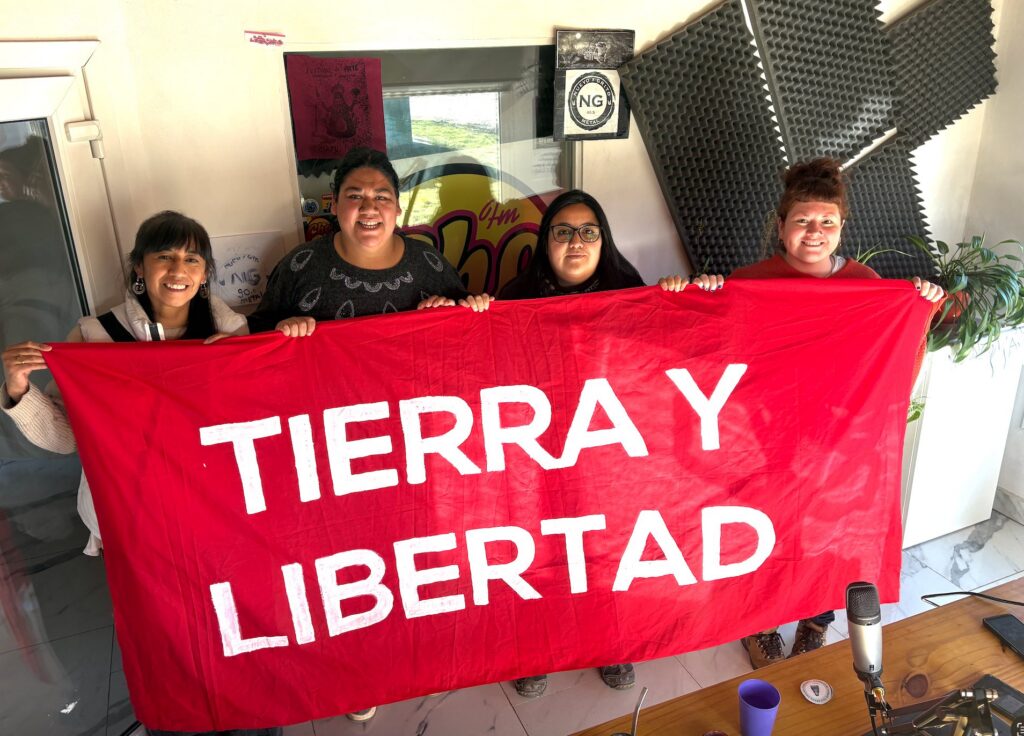
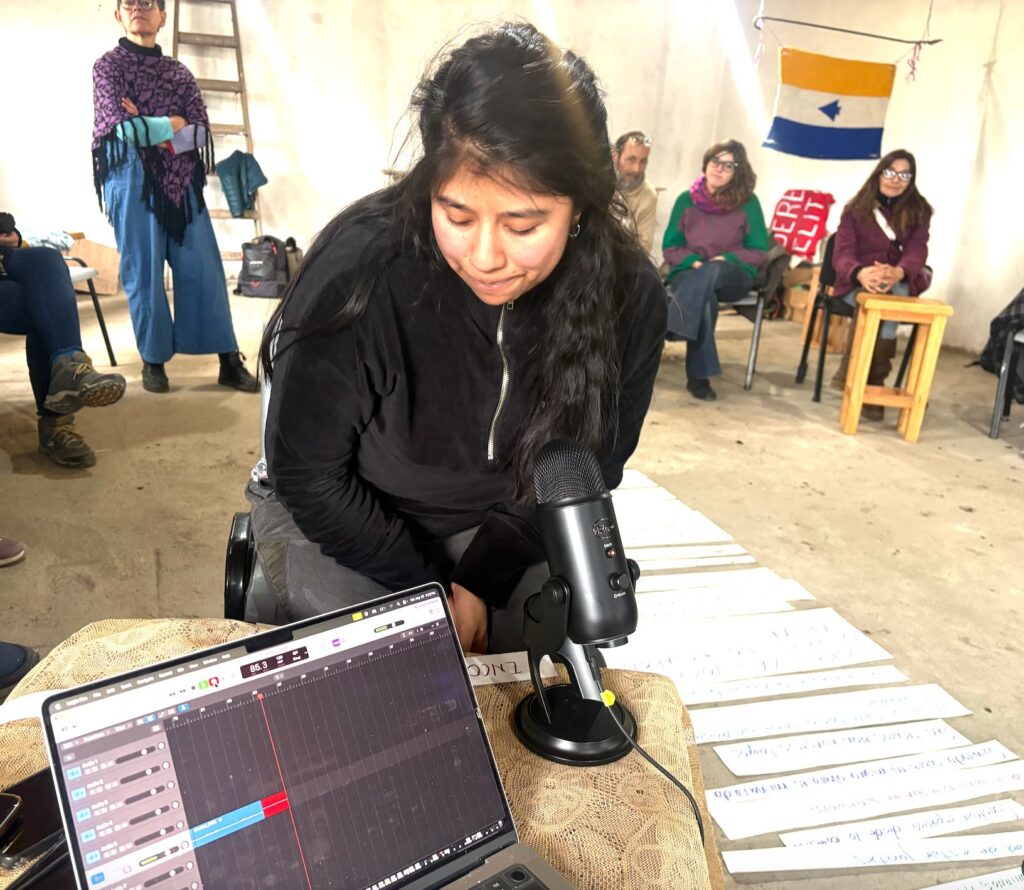
Por eso, cuando antes de viajar mi amigo el escritor Pepe Rojo me envió desde Tijuana un par de banderas con la leyenda “Tierra y Libertad”, entendí que allí estaba la clave para recuperar el verdadero sentido de lo que es la libertad. No el que grita Milei, sino el que sembraron los Flores Magón, Zapata y hoy el pueblo mapuche en la Patagonia.
Magón, Zapata y la raíz anarquista de la libertad
Los hermanos Ricardo y Jesús Flores Magón, fundadores del Partido Liberal Mexicano y del periódico Regeneración, dieron forma a uno de los legados más profundos de la revolución social en América Latina. Su pensamiento inspiró el grito zapatista: “Tierra y Libertad”. Un lema que se convirtió en filosofía y método, pues por un lado significaba la abolición del latifundismo y, por el otro, la restitución de la tierra al campesino y la emancipación social.
Para los pueblos originarios, la tierra no es una propiedad: es identidad, raíz y espiritualidad. No se posee; se pertenece a ella. “Ser del color de la tierra”, diría el Ejército Zapatista de Liberación Nacional en 1994.
Y es desde esa visión que debemos volver a preguntar:
¿Quién puede poseer la tierra y los ríos?
Ambos existían antes que nosotros y deberán seguir existiendo después. Es una verdad ancestral, espiritual y filosófica que desafía el modelo extractivista de propiedad absoluta.
La Patagonia: resistencia en la estepa
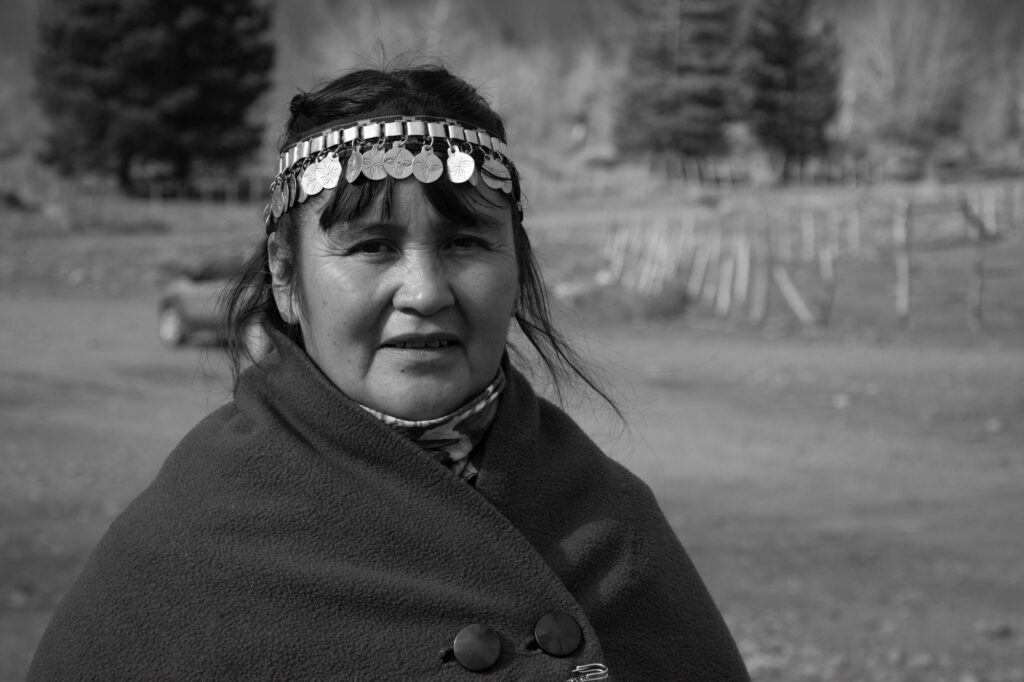
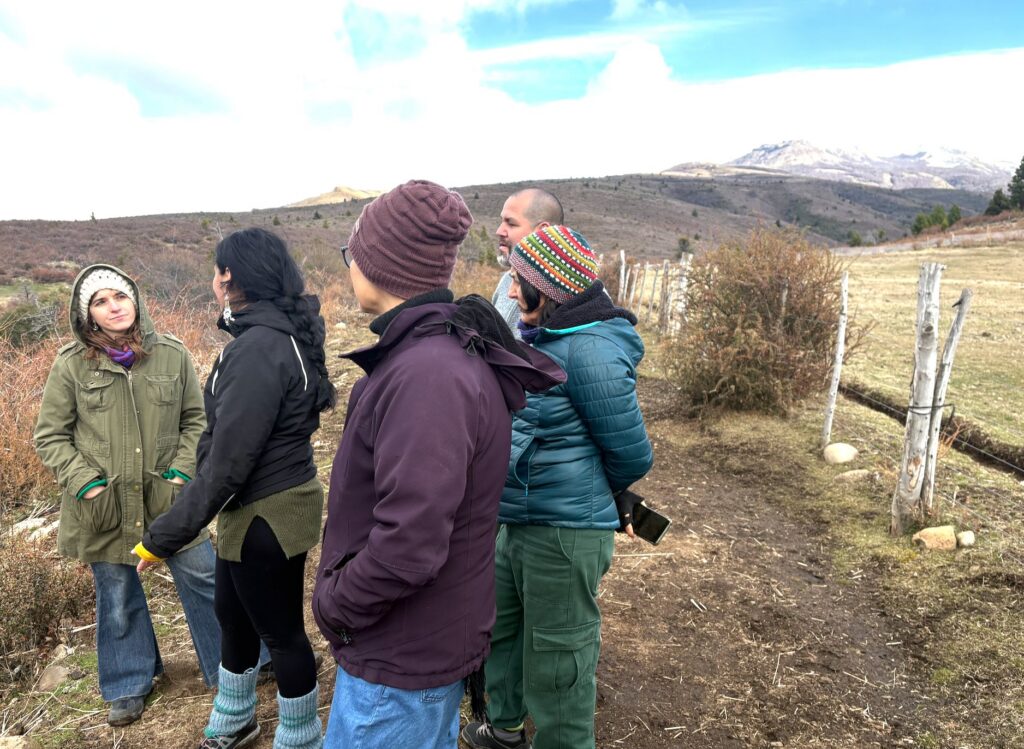
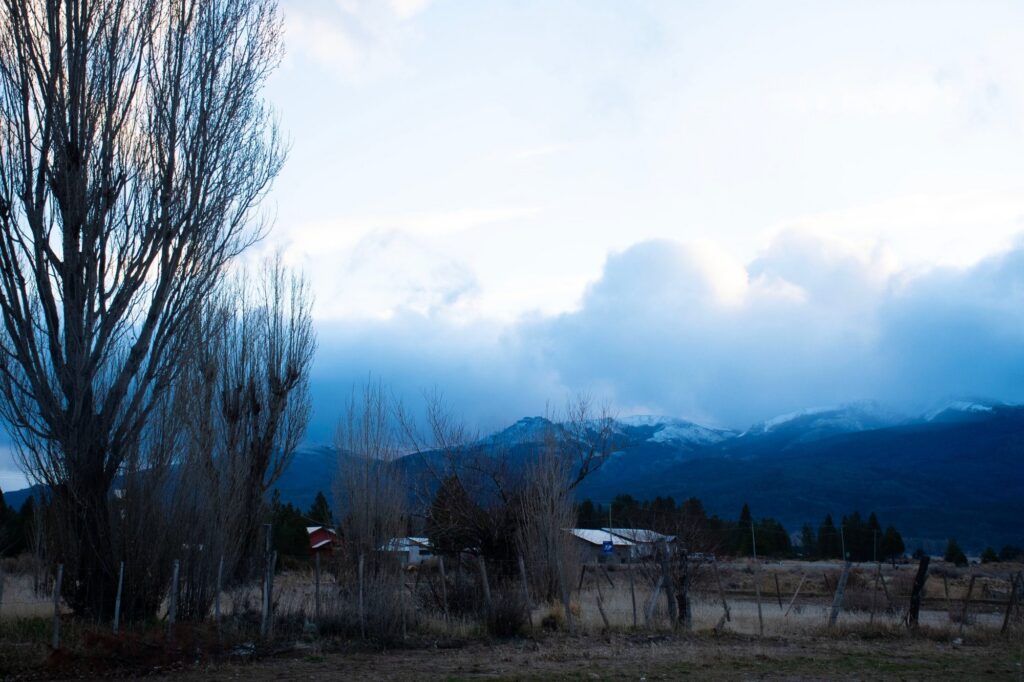
En mi recorrido por la Patagonia argentina en el invierno austral de 2025, conocí de cerca la lucha del pueblo mapuche, que enfrenta desde hace generaciones un modelo de concentración de tierras que no solo lo despojó de su territorio, sino que también busca despojarlo de su cultura, su cosmovisión y su derecho a existir.
El despojo no es nuevo. Ya en el siglo XIX, tras la Campaña del Desierto, el Estado argentino entregó más de un millón de hectáreas a terratenientes vinculados al Imperio británico. Un siglo más tarde, en 1991, en plena era neoliberal, el presidente Carlos Menem, con el aval de su ministro de Economía, Domingo Cavallo, facilitó la llegada del Grupo Benetton, que compró la Compañía de Tierras Sud Argentino S.A. (CTSA), accediendo a entre 900.000 y 1.000.000 de hectáreas en Chubut, Santa Cruz y Río Negro (Benítez Trinidad, 2012).
Recuperación territorial y persecución
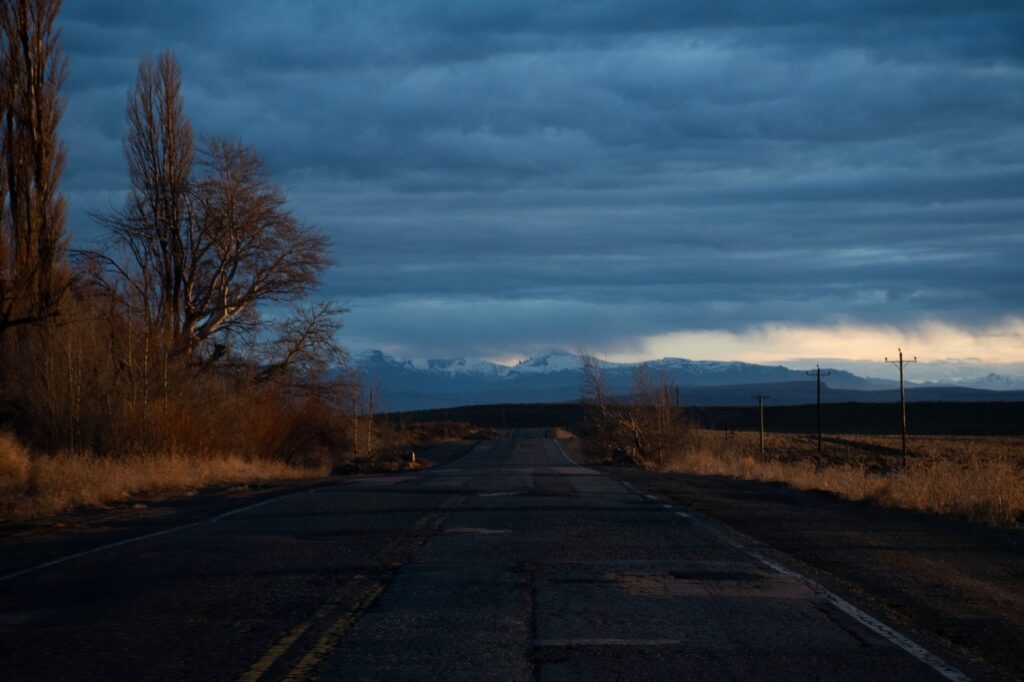
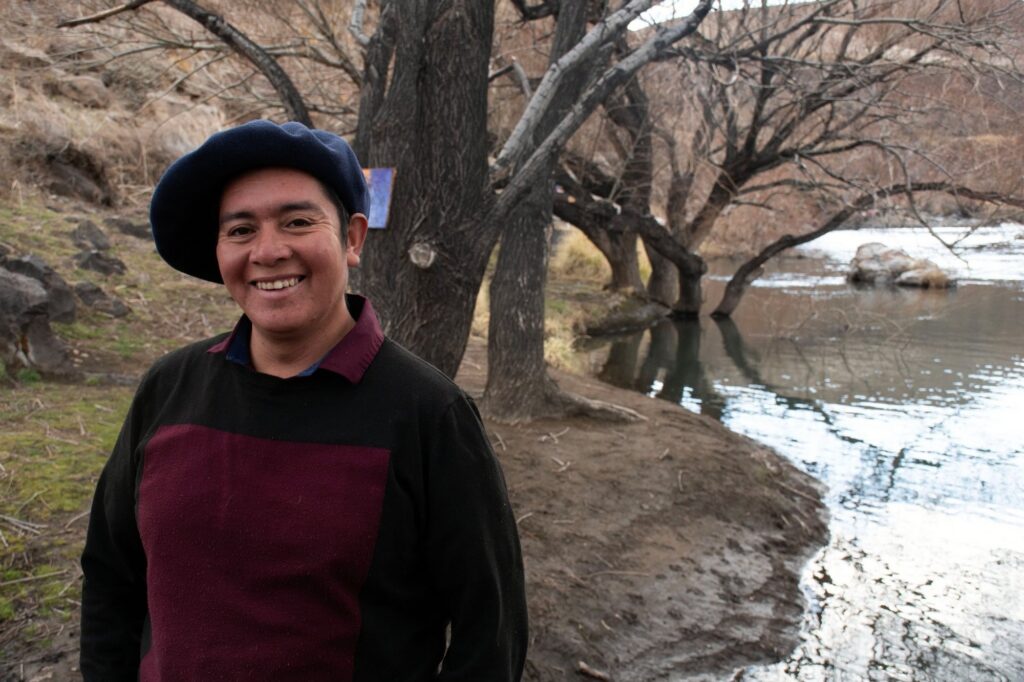
En diálogo con la Dra. Aymará Barés (Arango, 2025), conocí el caso de la comunidad Pu Lof en Resistencia, en Cushamen, Chubut. Mientras viajábamos desde El Bolsón por la Ruta 40, me explicó cómo ese tramo marca el límite del territorio recuperado por la comunidad mapuche en 2015: una recuperación pacífica, parte de una lucha por la dignidad y la identidad.
El conflicto se volvió internacional en 2017 tras la desaparición y muerte de Santiago Maldonado, un joven solidario con la causa mapuche, fallecido luego de un operativo de Gendarmería en la región.
Pero la persecución no terminó ahí. Durante 2025, diversos sectores políticos y mediáticos acusaron sin pruebas a las comunidades mapuche de ser responsables de los incendios forestales que azotaron la región. La Dra. Barés documentó esto en su artículo “Los vende humo” (2025), publicado en El Eslabón, donde analiza cómo esta narrativa es utilizada para criminalizar la protesta indígena y justificar allanamientos arbitrarios, incluso de espacios comunitarios como la emisora Radio Petü Mogeleiñ, en El Maitén, provincia de Chubut, que ha sido blanco de estos ataques del oficialismo.
Tierra y libertad, no como eslogan, sino como modelo de vida
En este contexto, el pueblo mapuche sigue encarnando la verdadera lucha por la libertad. No una libertad mercantilizada, esquizofrénica y vacía, sino una libertad enraizada en el respeto por los ríos, los bosques, las montañas, los saberes ancestrales y el derecho a su territorialidad e identidad.
Para ellos, la palabra “libertad” no es una consigna electorera ni de marketing político. En cambio, “Tierra y Libertad” es un asunto ontológico: es entender la realidad más allá de lo que los ojos de la vida moderna pueden ver. Para el mapuche, la tierra está en una cosmovisión donde ser aceptado por ella es la libertad misma, pues es la vida que trasciende; asimismo, es lo que les impulsa a resistir, a seguir siendo —el ser como un continuo, no como algo estático—, y es donde se declara que la territorialidad está unida a la identidad.
Como los zapatistas de Chiapas en 1994 y como los magonistas del siglo XX, los pueblos mapuche hoy nos enseñan que la libertad es una lucha contra los sistemas de despojo territorial. Y que la tierra no es un producto, sino existencia; por tanto, con ella se vive, se convive y a ella se regresa.
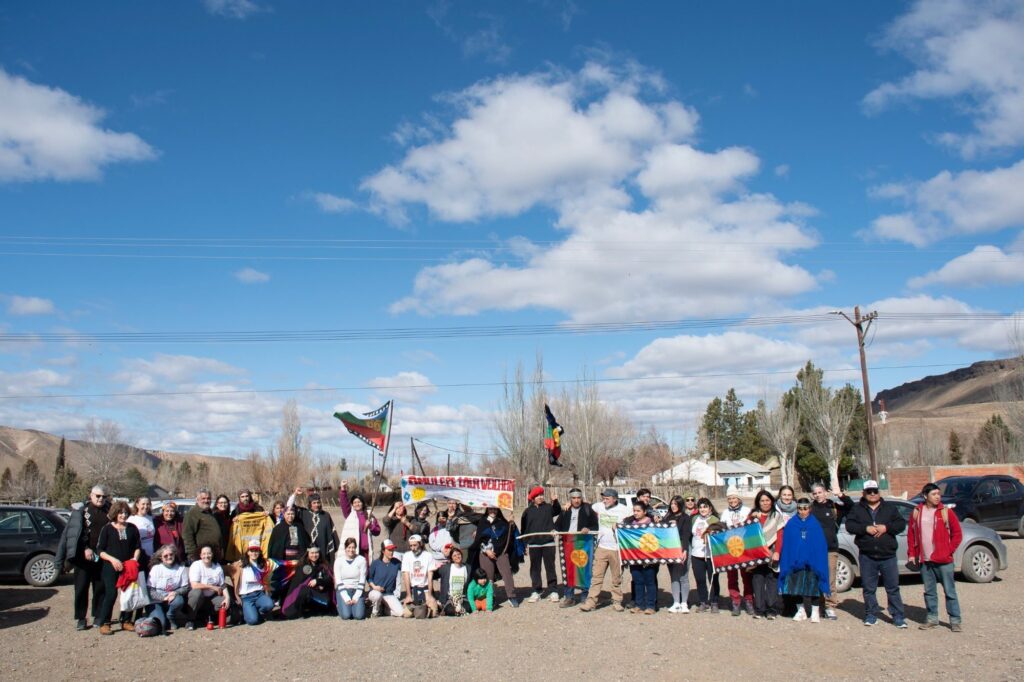
En una siguiente entrega deseo hablar de la reunión a la que asistí en el pueblo de Las Coloradas, donde se dieron cita líderes de más de veinte agrupaciones mapuche de la región patagónica para celebrar diez años de resistencia a las megamineras que han intentado imponerse en las provincias y territorios de la cordillera y la estepa.
Referencias
- Arango, O. (2025). Diálogos con líderes mapuche, activistas e intelectuales de la región del norte de la Patagonia [Manuscrito no publicado].
- Barés, A. (2025, 18 de febrero). “Los vende humo”. El Eslabón, sección Comunidades originarias en alerta. https://redaccionrosario.com/2025/02/18/los-vende-humo/
- Benítez Trinidad, C. (2012). “El rol de los Estados frente a las multinacionales: Argentina y el caso Benetton”. Biodiversidad en América Latina. biodiversidadla.org
Land and Freedom: Mapuche Resistance Against the Hollowing Out of Political Discourse
(Freedom Does Not Belong to Milei, and It Never Will)
By Obed Arango Hisijara
“Freedom belongs neither to Milei nor to the libertarians, for in their materialist blindness they have strayed from the source of life. They are foolish, they are fools, they are arrogant, and they are murderers.”
O. A. H.
The dispossession of land and territorialities is one of the great tragedies unfolding today in Argentine Patagonia, where President Javier Milei, in his characteristically theatrical style, seeks to appropriate one of the most powerful words in the history of social struggles: FREEDOM.
This article seeks to set the record straight. Freedom does not belong to empires, markets, or the systems that for centuries have built their wealth upon human enslavement, the dispossession of peoples, and the destruction of nature. To claim that neoliberalism embodies freedom is one of the great fictions of our time. Beneath its rhetoric of progress and development lies a machinery of accumulation that turns life itself into a commodity and reduces existence to a financial equation.
The current wave of extractive expansion does not respond to any essential human need. It is the expression of a boundless voracity that devours forests, rivers, mountains, and entire territories in the name of economic indicators incapable of measuring the devastation they produce. While elites celebrate market growth, ancestral communities are driven from the lands they have protected for generations. What capital defines as strategic resources, Indigenous peoples understand as living territories, collective memory, and the very foundation of existence.
The Mapuche people, whose ancestral lands extend across both sides of the Andes in southern Chile and Argentine Patagonia, offer one of the clearest examples of this historic confrontation. Their millennial wisdom teaches that land and water are neither property nor commodities: they are life itself. They are part of a web of relationships that binds human beings, animals, mountains, forests, and the forces of the universe together. In contrast, neoliberal rationality is incapable of recognizing this dimension of existence. Where the Mapuche see community and reciprocity, capital sees profitability; where they see a living river, it sees a source of revenue; where they recognize a sacred territory, it identifies an exploitable asset. At its core, this is the defining struggle of our time: the defense of life against a system that knows only how to transform it into numbers.
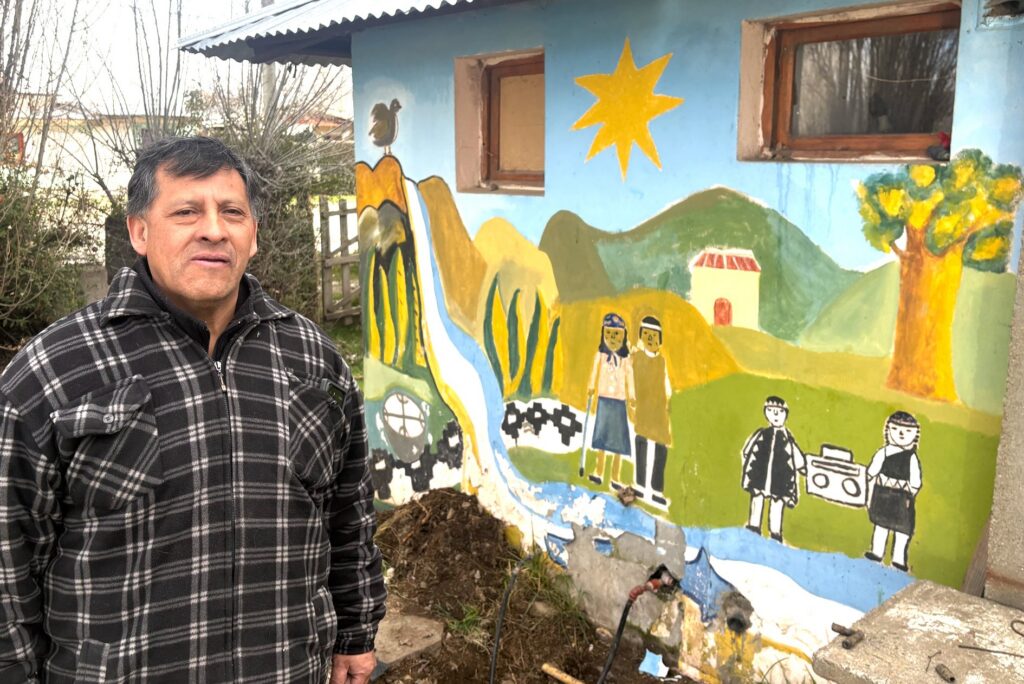
Freedom for Whom?
From outside Argentina, I have observed Milei’s public performances: strident appearances filled with empty shouting, concerts bordering on the surreal, and a kind of absurdity captured by the English term wannabe, reflecting his frustrated desire to become a rock star. Time and again, in his speeches and appearances, he strips the word freedom of its social content. In his discourse, it becomes a banner wielded by self-proclaimed “libertarians” who already possess economic power, and for whom freedom primarily means the defense of their privileges.
Like Donald Trump, Milei engages in what we would call in Mexico voltear la tortilla (“flipping the tortilla”): appropriating words that once symbolized collective struggle, emptying them of their original meaning, and repurposing them to serve elite interests.
This raises an important question: From what does the World Bank seek liberation? From what are large landowners being freed? What freedom does the CEO of a company like Benetton seek, when that corporation was effectively handed nearly one million hectares of Patagonia? The elites who inherited power now present themselves as victims, when historically they have been, and continue to be, the perpetrators.
That is why, when my friend, writer Pepe Rojo, sent me from Tijuana a pair of flags bearing the words “Land and Freedom” before my trip, I understood that they contained the key to recovering the true meaning of freedom. Not the freedom shouted by Milei, but the freedom cultivated by the Flores Magón brothers, Emiliano Zapata, and today, by the Mapuche people of Patagonia.
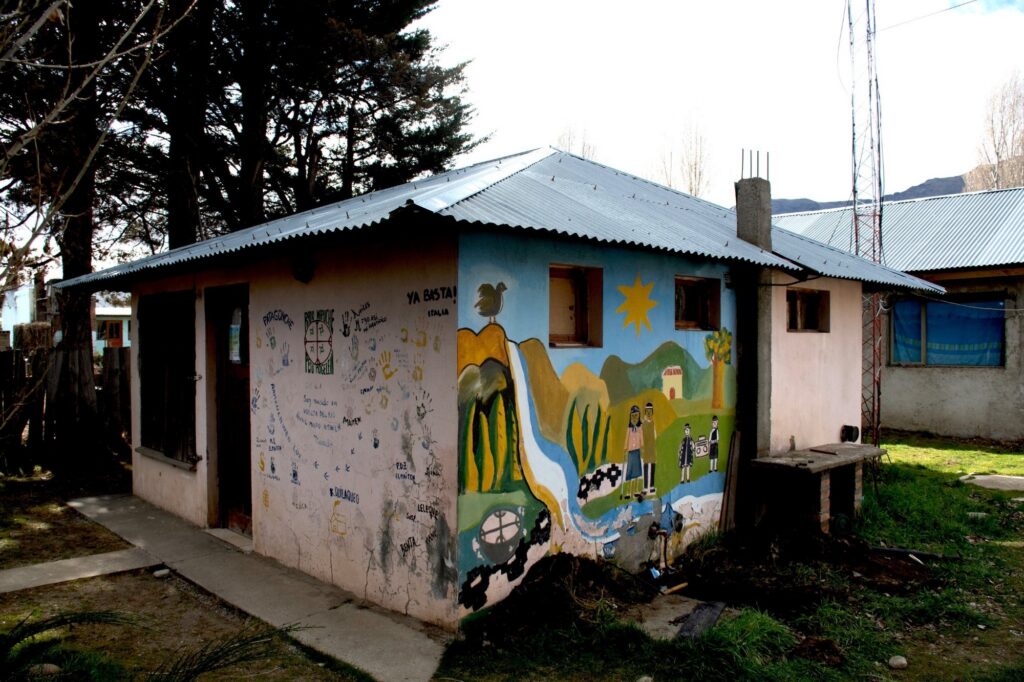
Magón, Zapata, and the Anarchist Roots of Freedom
Ricardo and Jesús Flores Magón, founders of the Mexican Liberal Party and the newspaper Regeneración, shaped one of the most profound legacies of social revolution in Latin America. Their thinking inspired the Zapatista slogan: “Land and Freedom.”
The slogan became both a philosophy and a method. On the one hand, it called for the abolition of large landed estates; on the other, it demanded the return of the land to peasants and the pursuit of social emancipation.
For Indigenous peoples, land is not property. It is identity, ancestry, and spirituality. It is not something one owns; rather, it is something to which one belongs. “To be the color of the earth,” as the Zapatista Army of National Liberation declared in 1994.
From that perspective, we must ask again:
Who can truly own the land and the rivers?
Both existed before us and must continue to exist after we are gone. This is an ancestral, spiritual, and philosophical truth that challenges the extractivist model of absolute ownership.
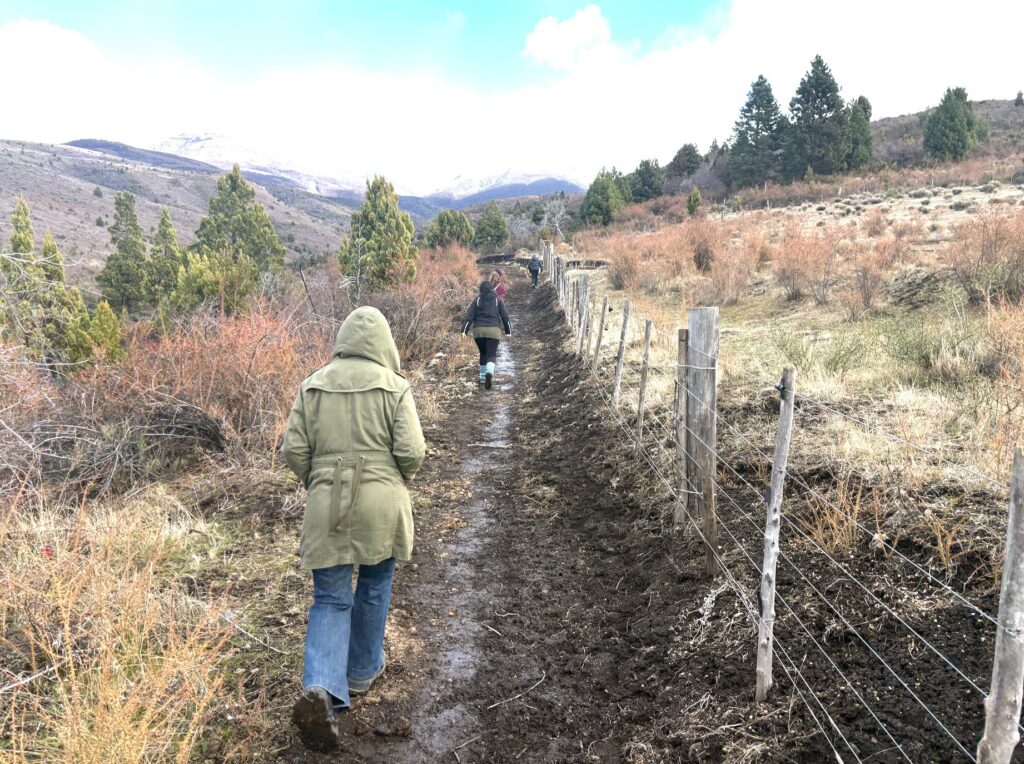
Patagonia: Resistance Across the Steppe
During my travels through Argentine Patagonia in the southern winter of 2025, I witnessed firsthand the struggle of the Mapuche people. For generations they have confronted a system of land concentration that has sought not only to dispossess them of their territories, but also to strip them of their worldview and their right to exist.
This dispossession is not new. In the nineteenth century, following the Campaign of the Desert, the Argentine state granted more than a million hectares to landowners linked to the British Empire. A century later, in 1991, during the neoliberal era, President Carlos Menem, with the support of Economy Minister Domingo Cavallo, facilitated the arrival of the Benetton Group. Through the purchase of the Compañía de Tierras Sud Argentino S.A. (CTSA), Benetton gained access to between 900,000 and 1,000,000 hectares in the provinces of Chubut, Santa Cruz, and Río Negro (Benítez Trinidad, 2012).
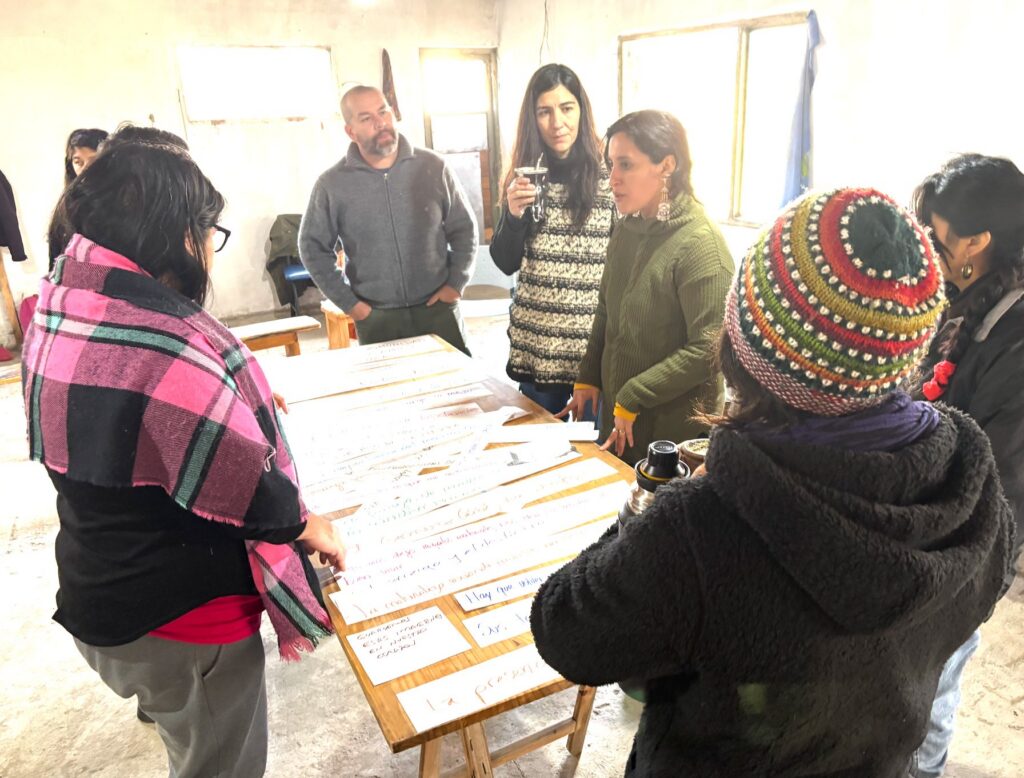
Territorial Recovery and Persecution
In conversations with Dr. Aymará Barés (Arango, 2025), I learned about the case of the Pu Lof en Resistencia community in Cushamen, Chubut. As we traveled from El Bolsón along Route 40, she explained how that stretch of road marks the boundary of territory peacefully reclaimed by the Mapuche community in 2015, part of a broader struggle for dignity and identity.
The conflict gained international attention in 2017 following the disappearance and death of Santiago Maldonado, a young activist who supported the Mapuche cause and died after a Gendarmerie operation in the region.
Yet the persecution did not end there. Throughout 2025, various political and media sectors accused Mapuche communities, without evidence, of being responsible for the forest fires that affected the region. Dr. Barés documented this phenomenon in her article “Los vende humo” (“The Smoke Sellers”) (2025), published in El Eslabón. There, she analyzes how such narratives are used to criminalize Indigenous protest and justify arbitrary police raids, including operations targeting community spaces such as the community station Radio Petü Mogeleiñ in El Maitén, which has become a frequent target of attacks by government supporters.
Land and Freedom: Not a Slogan, but a Way of Life
In this context, the Mapuche people continue to embody the genuine struggle for freedom. Not a commodified, schizophrenic, loud, and empty freedom, but a freedom rooted in respect for rivers, forests, mountains, ancestral knowledge, and the right to territoriality and identity.
For them, the word freedom is not an electoral slogan or a political marketing strategy. Rather, Land and Freedom is an ontological matter. It is a way of understanding reality beyond what the eyes of modern life can perceive. For the Mapuche, the land exists within a cosmological framework in which being accepted by the land itself is freedom. It is life that transcends individual existence.
This understanding is what drives their resistance and their determination to continue existing. Being is understood as a continuous process rather than a static condition, and territoriality is inseparable from identity.
Like the Zapatistas of Chiapas in 1994, and like the Magonistas of the twentieth century, the Mapuche people teach us today that freedom is fundamentally a struggle against systems of territorial dispossession. The land is not a commodity. It is existence itself. We live from it, live with it, and ultimately return to it.
In a future installment, I hope to discuss a gathering I attended in the town of Las Coloradas, where leaders from more than twenty Mapuche organizations across Patagonia came together to commemorate ten years of resistance against large-scale mining projects that have sought to establish themselves throughout the mountain and steppe regions of Patagonia.
References
- Arango, O. (2025). Dialogues with Mapuche Leaders, Activists, and Intellectuals from Northern Patagonia [Unpublished manuscript].
- Barés, A. (2025, February 18). “Los vende humo.” El Eslabón, Indigenous Communities on Alert section. https://redaccionrosario.com/2025/02/18/los-vende-humo/
- Benítez Trinidad, C. (2012). “The Role of States in Relation to Multinational Corporations: Argentina and the Benetton Case.” Biodiversidad en América Latina. biodiversidadla.org